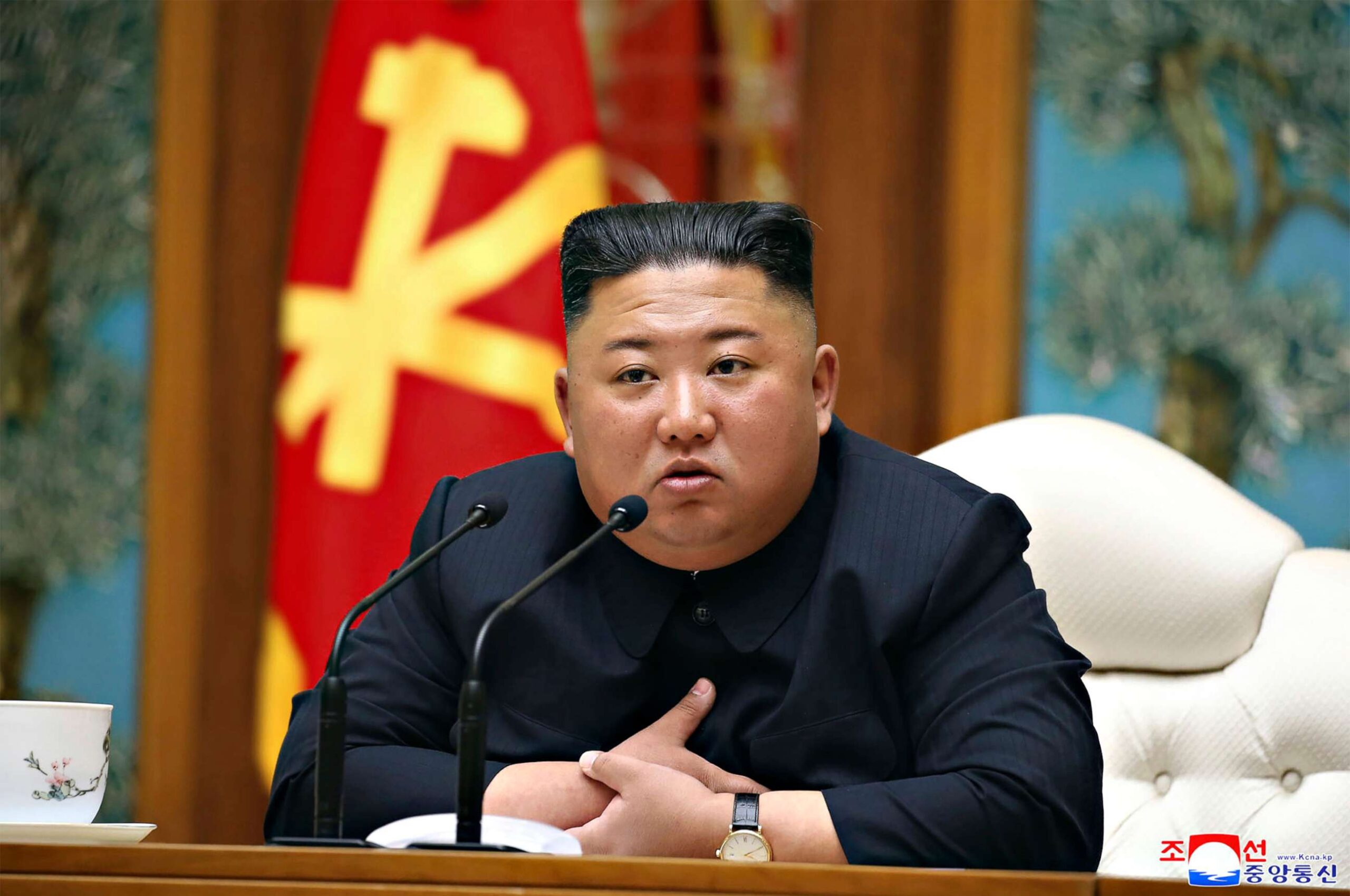
Pyongyang: North Korean leader Kim Jong-un marked the 80th anniversary of the ruling Workers’ Party with a grand military parade that displayed the regime’s most advanced and powerful weapons to date, once again sending shockwaves across the globe.
The late-night parade, held amid rain in Kim Il Sung Square, featured participation from foreign dignitaries and highlighted Kim’s growing diplomatic influence. The event showcased a new generation of tactical missiles, upgraded weapon systems, and a never-before-tested intercontinental ballistic missile (ICBM), signaling North Korea’s continued expansion of its nuclear arsenal. Kim is reportedly preparing to test the new ICBM in the coming weeks.

According to state media KCNA, the new missile, named Hwasong-20, was introduced as “the most powerful nuclear strategic weapon system” ever developed by the country. Other weapons on display included short-range ballistic missiles, cruise missiles, and hypersonic missiles, which Pyongyang claims can strike key targets in South Korea with nuclear warheads.
Although Kim refrained from directly naming the United States or South Korea in his speech, he declared that North Korea’s military must continue developing into “an invincible force that can eliminate all threats.”
Show of strength and foreign alignment

In a striking move, the parade also featured a military unit described as an “invincible foreign operations unit,” which analysts believe refers to North Korean soldiers reportedly sent to support Russia in the Ukraine war. Footage released by Russia’s TASS news agency showed missile-mounted vehicles parading past thousands of spectators.
Since Russia’s invasion of Ukraine, Kim Jong-un has deepened military and strategic ties with Moscow, supplying thousands of troops, artillery, ballistic missiles, and other weapons. He also recently visited China and stood alongside President Xi Jinping and President Vladimir Putin during a major military parade—signaling a powerful trilateral alignment against the West.
Friday’s parade not only commemorated a political milestone but also underlined Kim’s aggressive push for military modernization and global relevance, reinforcing North Korea’s message: it remains a formidable nuclear power ready to challenge its adversaries in Asia and beyond.