By Manoj Singh, IAS Retd
Lucknow: For years, a quiet frustration has echoed through the geological community: nobody listens to geologists. In a country racing toward rapid urbanisation, energy transition, and infrastructure expansion, the irony is stark. India depends more than ever on its subsurface, yet the voices of those who understand it best remain at the margins of decision-making.
Geology, by its very nature, is slow, methodical, and deeply complex. Politics, economics, and urban planning, however, run on short electoral cycles, fast budgets, and visible projects. This mismatch creates a dangerous gap between what the land demands and what development attempts to impose upon it.
The Invisible Work of Geologists
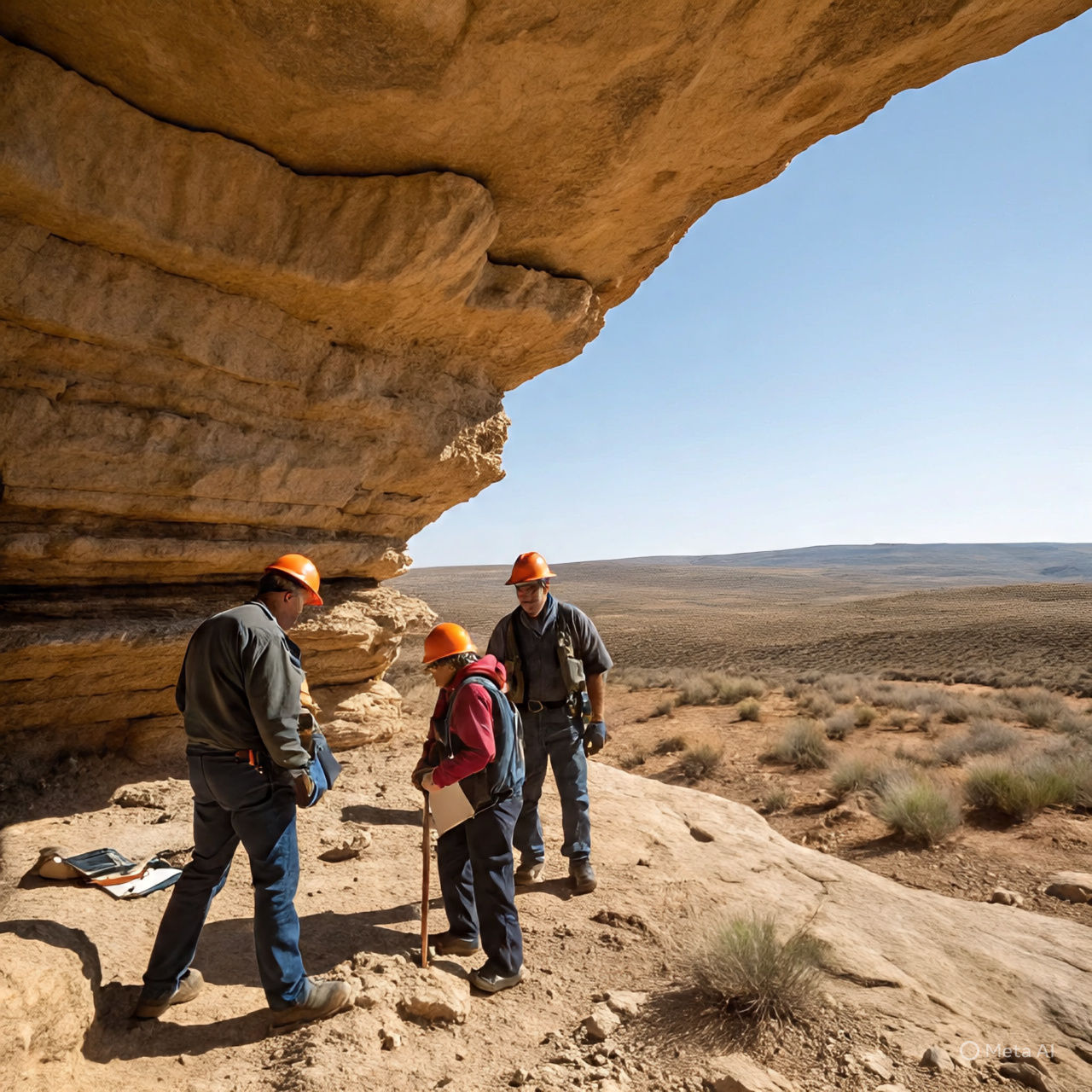
A geologist’s work is rarely glamorous. There are no ribbon-cuttings for a correctly identified fault line. There are no newspaper headlines for a prevented landslide. But the invisible labor of geologists forms the foundation of everything above ground — highways, metro tunnels, nuclear plants, pipelines, reservoirs, and even housing colonies.
When a geologist warns:
•“Do not construct here,”
•“This slope is unstable,”
•“This region is seismically fragile,”
•“This aquifer is overstressed,”
the response is often delay, debate, or outright dismissal. Yet when a dam cracks, a city sinks, or floods sweep across a plain, the first question suddenly becomes: “Was there no geological study?”
By then, the cost is already paid — in money, land, and sometimes lives.
A Nation Built on an Ignored Science
Modern India stands at a crossroads. We are building smart cities, expanding expressways, tunnelling mountains, chasing rare-earth minerals, and transitioning toward renewable energy. Each one of these ambitions requires deep geological intelligence. But geology remains treated as a checkbox in project reports rather than the foundation of planning.
This is not just an administrative oversight — it is a strategic risk.
•Urban subsidence in rapidly growing cities
•Groundwater depletion across northern India
•Landslides in the Himalayas
•Coastal erosion along peninsular India
•Resource vulnerability in rare earth and battery minerals
Each of these threats is geological at its core.
The Coming Decade: A Geological Century
The world is entering a phase where geology will not just matter — it will decide national power.
•Critical minerals will shape geopolitics.
•Groundwater sustainability will define agriculture and urban survival.
•Carbon capture, hydrogen storage, and geothermal systems will redefine energy.
•Natural hazard mapping will determine resilient infrastructure.
For all this, India needs geologists not as consultants brought in at the last stage, but as strategic partners at the first stage of planning.
Why India Must Finally Listen
The cost of ignoring geology is catastrophe.
The benefit of listening is resilience.
India’s future — economic, environmental, and strategic — lies beneath our feet. It is time the nation acknowledges that geologists do not merely study rocks; they safeguard the foundations of development.
As the climate grows more unpredictable, as cities expand rapidly, and as global competition for minerals intensifies, the voice of the geologist must move from the margins to the centre of decision-making.
Because in the end, the truth remains unchanging:
Geologists are ignored — until they are indispensable. And India has reached the point where they are indispensable every single day.
---------------------------------------------------------------------------------------------------