
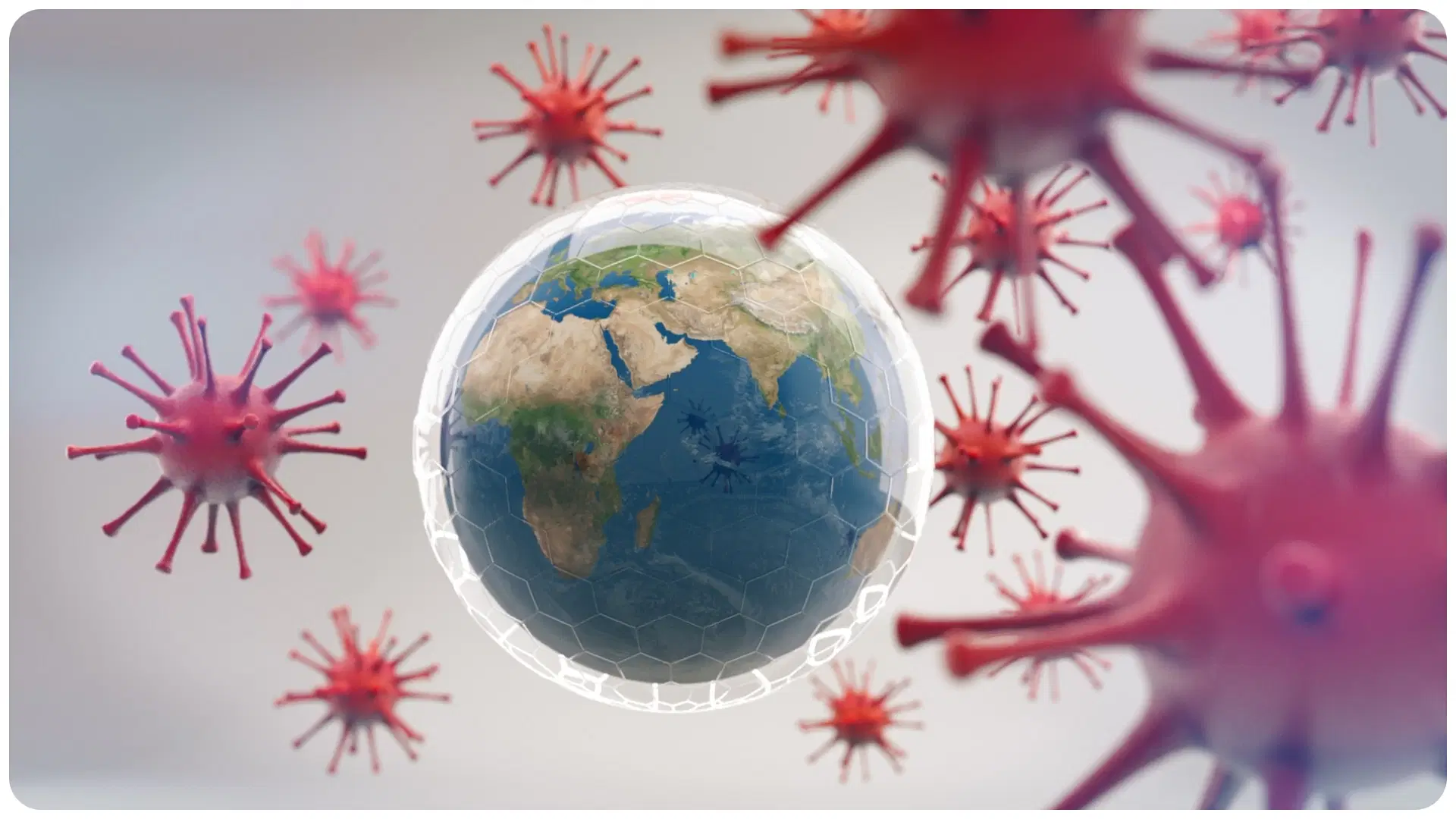
New Delhi – Just as the world was recovering from the devastating aftermath of Covid-19, a new variant — JN.1 — has emerged in parts of Asia, triggering fresh concerns. Countries like Singapore, Hong Kong, and Thailand are reporting a sharp spike in Covid-19 cases, prompting India to issue an official health alert and step up surveillance measures.
What is JN.1?
JN.1 is a sub-lineage of the Omicron variant, first identified in late 2023. It has evolved from the BA.2.86 strain (Pirola) and contains distinct mutations in the spike protein, making it highly transmissible. Experts say these changes allow JN.1 to partially evade vaccine-induced immunity, contributing to its rapid spread.
Covid-19 Resurgence in Asia
In Singapore, over 14,200 new cases were recorded in the week ending May 3 — a significant 30% jump from 11,100 cases the previous week. Meanwhile, Hong Kong is experiencing its highest positivity rate of the year, with 31 deaths reported in a single week — the highest weekly fatality count in over a year, according to local health authorities.
What’s the Situation in India?
India currently has the situation under control, with 257 active Covid cases reported as of May 19. However, health officials remain cautious due to the surge in neighboring countries. The Ministry of Health has issued alerts and emphasized preparedness and vigilance, especially at airports and border regions.
Symptoms of JN.1 Variant
The symptoms of JN.1 are largely similar to earlier Omicron strains:
-
Dry cough
-
Runny or blocked nose
-
Sore throat
-
Mild fever
-
Fatigue
-
Headache

-
In some cases: diarrhea, loss of taste or smell
Is JN.1 Dangerous?
So far, most JN.1 cases have shown mild symptoms. Hospitalizations and severe complications are rare. However, elderly individuals, those with comorbidities, and people with weakened immune systems are at higher risk and must remain especially cautious.
Precautionary Measures
Health experts advise the public to:
-
Wear masks in public spaces
-
Maintain hand hygiene with soap or sanitizer
-
Avoid crowded places
-
Self-isolate and seek medical advice if symptoms appear
Though there’s no cause for panic, experts warn that complacency can be dangerous. The key to containing this variant lies in early detection, responsible behavior, and proactive healthcare monitoring.
As the world watches the rise of JN.1, India and other nations are reminded once again of the fragile nature of post-pandemic recovery — and the need to stay one step ahead.