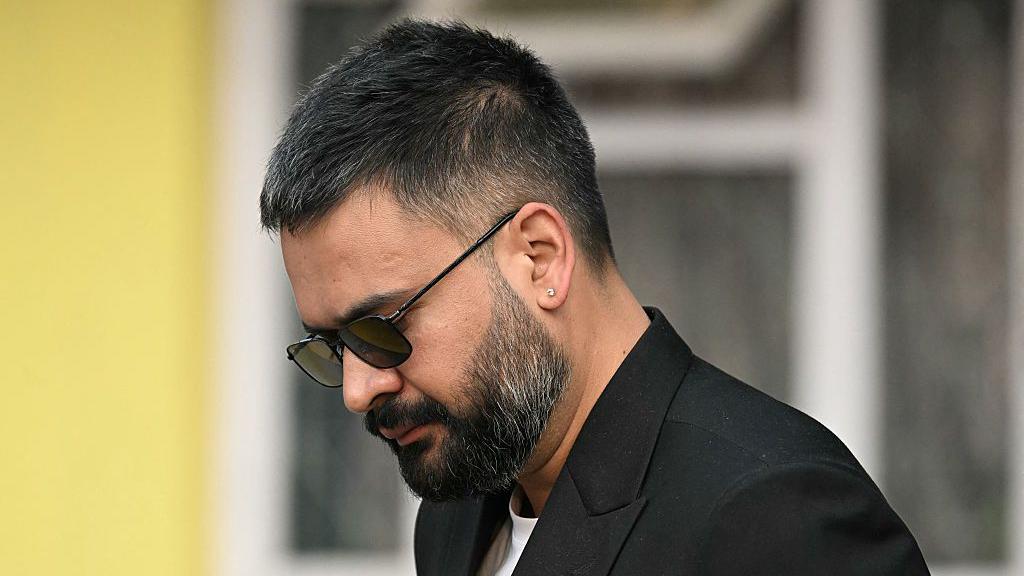
New Delhi – Nepal appears to be entering a new political phase as a younger generation begins to challenge the dominance of long‑established leaders. At the center of this shift is former Kathmandu Mayor and current elected PM Balen Shah, whose growing popularity is reshaping political conversations inside the country and drawing attention across South Asia, particularly in India.
For decades, Nepal’s politics has largely revolved around familiar figures such as Sher Bahadur Deuba, K.P. Sharma Oli, and Pushpa Kamal Dahal “Prachanda.” However, a growing section of the public—especially young voters—has become frustrated with recurring political instability, corruption allegations, and slow development. Shah’s rise reflects this wider demand for change rather than simply the success of one individual.
A structural engineer by training, Shah entered politics as an independent voice advocating practical governance and transparent administration. During his tenure as mayor of Kathmandu, he gained public attention for addressing civic problems such as road maintenance, waste management, and urban encroachments. His emphasis on measurable results and technology‑driven solutions has helped shape an image of a leader focused on efficiency rather than traditional political rhetoric.
Observers say his influence is expanding beyond the capital, with increasing support among young Nepalis who want improved employment opportunities, modern infrastructure, and accountable leadership. Many analysts believe that if Shah eventually moves into national politics, Nepal could witness significant changes in its policy priorities, including economic strategy and foreign relations.
One of the key themes in Shah’s public statements has been the need for Nepal to strengthen its economic independence. He has often highlighted the country’s vast hydropower potential and tourism resources, while also speaking about reducing the large-scale migration of Nepali youth to Gulf countries for employment. At the same time, he has suggested closer economic engagement with India—particularly in energy and trade—but under conditions that reflect equality between the two neighbours.

For India, Shah’s rise carries both challenges and opportunities. On one hand, his “Nepal First” political messaging signals a more assertive approach toward foreign partnerships. Decisions during his mayoral tenure—such as restrictions on certain Indian films in Kathmandu and references to the “Greater Nepal” narrative—have occasionally stirred debate about rising nationalism in Nepal.
On the other hand, Shah’s personal background also offers a bridge between the two countries. Having pursued higher education in India, he is familiar with Indian society and the longstanding cultural links between the nations. Analysts believe this understanding could help foster cooperation in areas such as hydropower development, digital connectivity, and cross‑border investment.
As Nepal’s political landscape evolves, New Delhi may need to adapt its diplomatic approach. Experts suggest that India’s traditional image as the dominant regional partner may need to shift toward a model based on equal partnership and practical collaboration.
With an open border and deep social ties connecting the two countries, the direction of India‑Nepal relations will depend heavily on how both sides respond to this generational political change. Balen Shah’s growing popularity reflects a broader transformation within Nepal—one that could redefine the country’s domestic priorities and its relationships across the region.