By Dr. Atul Malikram, Political Strategist
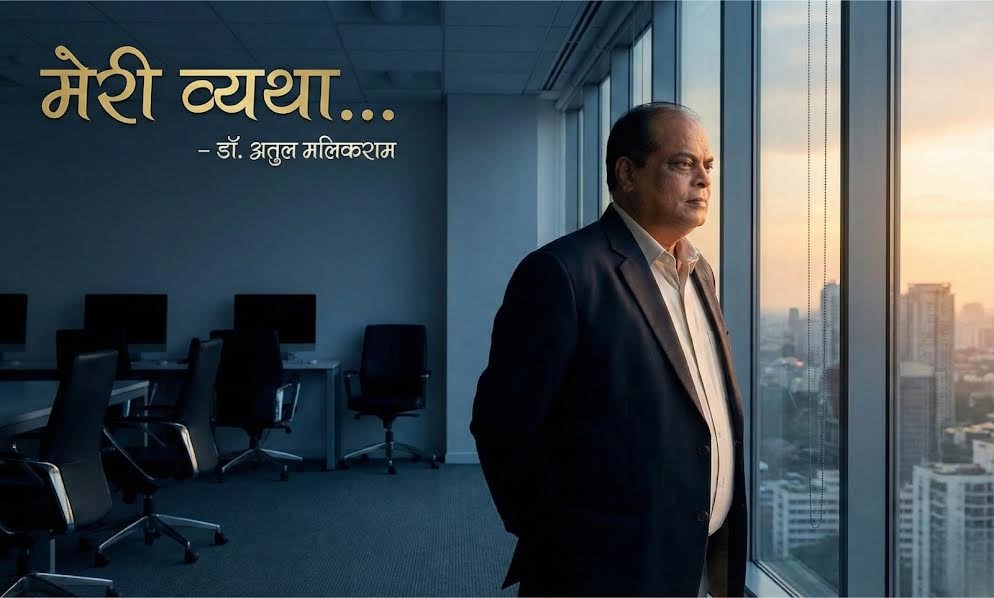
New Delhi: When the bustle of a busy office fades and silence settles in, the empty chairs and dark computer screens often provoke deep reflection for an entrepreneur. In those quiet moments, questions emerge: Is this the same dream that once began from nothing? Is this the institution that was built with relentless effort and determination? And is this the same team that once shared a vision of building something meaningful together?
These thoughts, says Dr. Atul Malikram, echo the emotions of many entrepreneurs who started with limited resources but abundant courage. In the early days, every employee and collaborator felt the urgency of survival and growth. The organization was not owned by one person alone; it was a shared struggle and a collective aspiration.
As time passes, businesses grow—small offices become large buildings, trainees evolve into specialists, and companies establish strong brands. Yet along with this growth comes a subtle shift. The sense of belonging gradually transforms into formal responsibility, and sometimes responsibility into routine.
For many entrepreneurs, the true challenge is not the workload or the risks they carry—such as bank loans, investor expectations, and client commitments—but the feeling of isolation in what was once a collective journey.

According to Malikram, organizations are not merely financial structures; they are living systems built on trust, dedication, and a sense of ownership. While modern employees are talented and skilled, the emotional connection with institutions is often fading.
He emphasizes that leadership must keep the dream alive as a shared vision. Employees should not see themselves as mere salaried workers but as contributors to something larger. At the same time, leaders must also introspect—maintaining open communication and continuously sharing the organization’s evolving story.
Ultimately, “My Agony…” is less a complaint and more a call for renewed partnership. When teams rediscover ownership and leaders inspire participation, institutions can transcend markets and create a legacy that stands the test of time.