Mumbai: There are crime dramas that solve murders, and then there are crime dramas that expose societies. Kohrra Season 2 firmly belongs to the latter category. Premiering on Netflix on February 11, 2026, the Punjabi-language series returns not merely as a sequel but as a deeper, more intimate excavation of grief, guilt, and systemic rot.
Created by Sudip Sharma (who directs alongside Faisal Rahman), the six-episode season shifts its focus from the broader socio-political canvas of the first installment to a more piercing, character-driven narrative. The murder at the center this time is that of Preet, a young woman who returns from America after a troubled marriage, only to be found stabbed in her family’s barn. What unfolds is less a whodunit and more a devastating why-dunit.
Performances That Cut Deep
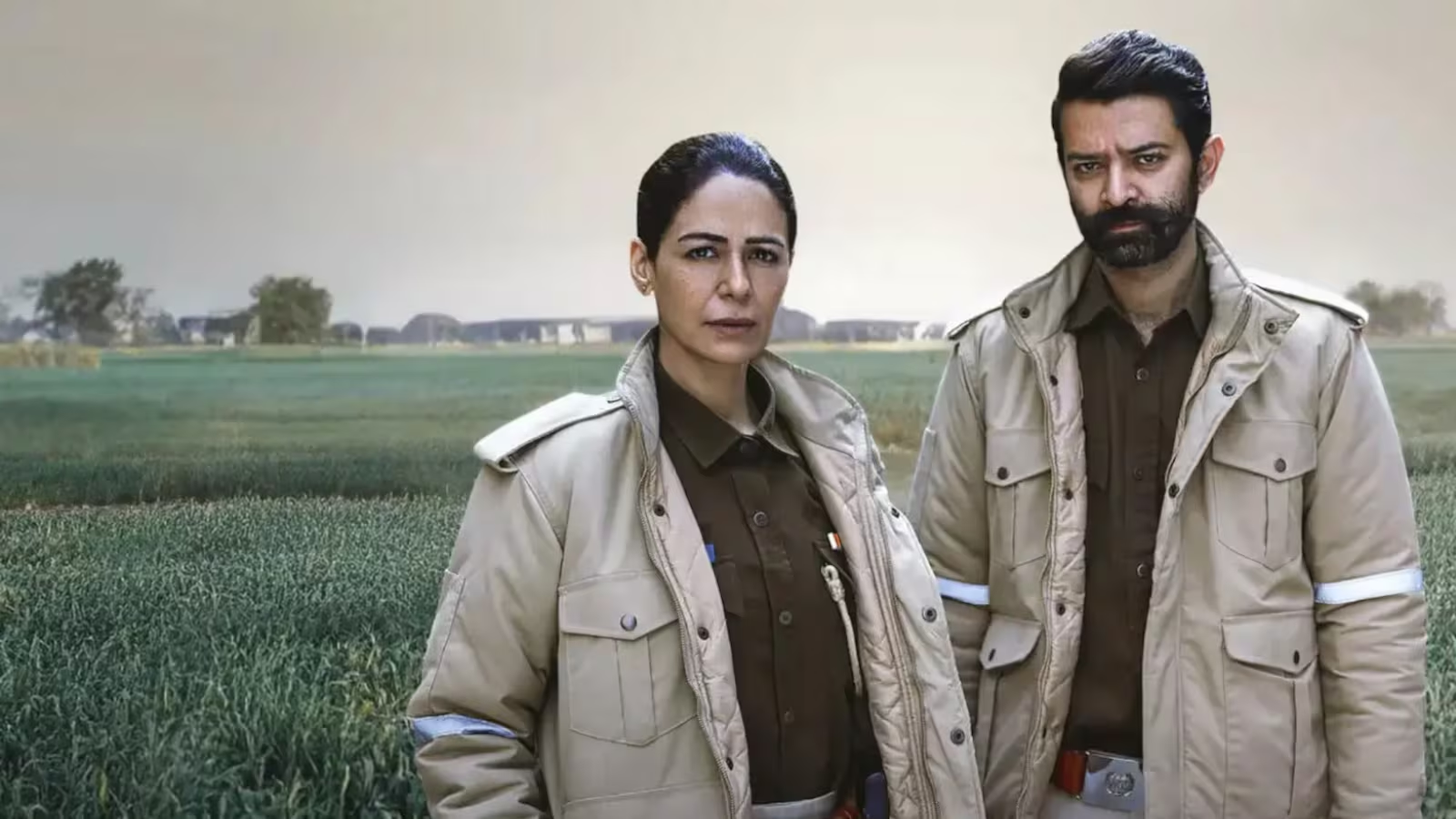
At the heart of the season is Mona Singh’s Inspector Dhanwant Kaur—a grieving mother and relentless investigator. Singh delivers what can only be described as a tour de force. Her performance is restrained yet emotionally volcanic, conveying exhaustion, rage, and vulnerability without tipping into melodrama. It’s a portrayal that lingers long after the credits roll.
Barun Sobti returns as Inspector Amarpal Garundi, and his quiet charisma once again anchors the show. Where Dhanwant burns, Garundi absorbs. Sobti’s subtle performance, filled with micro-expressions and understated wit, provides balance to the show’s heavy emotional terrain. Together, they form one of the most compelling investigative duos on Indian streaming.
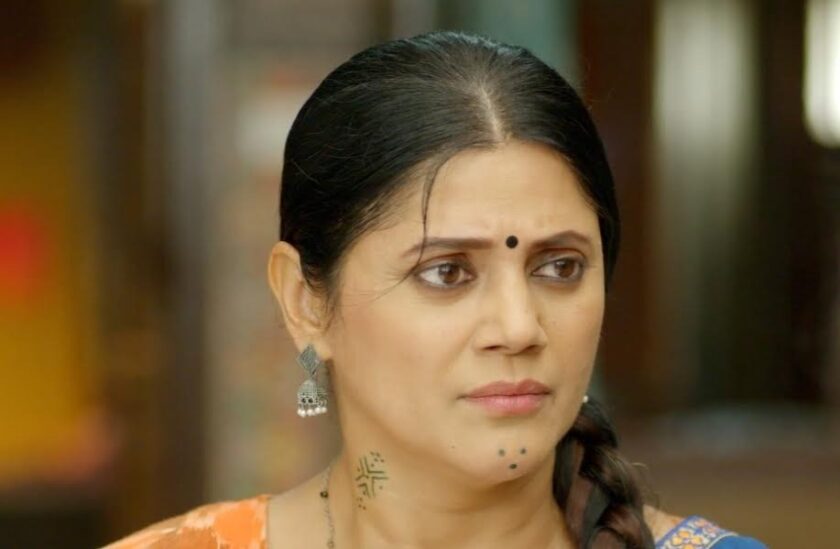
The supporting cast—including the enigmatic Johnny Malang, the prime suspect—adds texture to a world where no character feels one-dimensional. Everyone carries secrets; everyone walks through fog.
Atmosphere as a Character
“Kohrra,” meaning fog, is not just a metaphor—it’s a mood. The cinematography wraps Punjab’s fields and farmhouses in a visual haze that mirrors the moral ambiguity of its characters. The show avoids flashy thrills; instead, it opts for stillness, tension, and silence. Scenes are staged with surgical precision, allowing emotional weight to build organically.
Unlike many procedurals that rely on twists for momentum, Season 2 uses the investigation as a lens to examine patriarchy, class divides, inheritance battles, violence against women, and rural exploitation. It often feels less like a thriller and more like a social autopsy.
Tighter, Sharper Storytelling
One of the season’s greatest strengths is its structure. At six episodes, it wastes no time. Subplots—family tensions, personal grief, historical undercurrents—seamlessly merge into the central mystery. The pacing is deliberate but never sluggish, maintaining suspense without sacrificing depth.

If there’s a minor flaw, it’s that certain emotional beats lean toward exposition, occasionally telling rather than showing. And the relentless heaviness may not suit viewers seeking escapist entertainment. But these are small blemishes on an otherwise masterfully crafted series.
A Rare Sequel That Elevates the Original
Comparisons to Season 1 are inevitable, and remarkably, Season 2 stands shoulder to shoulder—if not slightly ahead—by going smaller and more focused. It trades the broader political scope for sharper psychological insight, making the experience more intimate and, in many ways, more devastating.
Much like Sharma’s earlier work on Paatal Lok, Kohrra Season 2 is unflinching in its portrayal of societal fault lines. But here, the storytelling feels even more refined, more confident in its quiet power.
Final Verdict
Kohrra Season 2 is not just a crime drama—it is a study of how grief festers, how privilege shields, and how silence suffocates. It is gripping without being sensational, political without preaching, and emotional without manipulation.
In a streaming landscape crowded with formulaic thrillers, this stands apart as one of the finest Indian series of 2026 so far.
Rating: ★★★★½ (4.5/5)
Dark, deliberate, and devastatingly human—Kohrra Season 2 proves that sometimes the thickest fog reveals the clearest truths.