Karachi : As global urban populations continue to surge in search of better amenities and living standards, major cities like Delhi, Mumbai—and Karachi—are grappling with the double-edged sword of rapid urbanization. A recent report by the Economist Intelligence Unit (EIU) titled the Global Livability Index 2025 paints a mixed picture, listing the world’s most livable and least livable cities based on factors like healthcare, education, stability, and infrastructure.
While the report highlights notable improvements in health, education, and infrastructure across many cities in 2025, it also flags concerns over rising geopolitical tensions, civil unrest, and a global housing crisis, resulting in a slight 0.2-point drop in the average global stability score. Western European cities continue to dominate the top tier, followed closely by cities in the Asia-Pacific region.
Polio Resurgence in Pakistan: A Parallel Public Health Concern
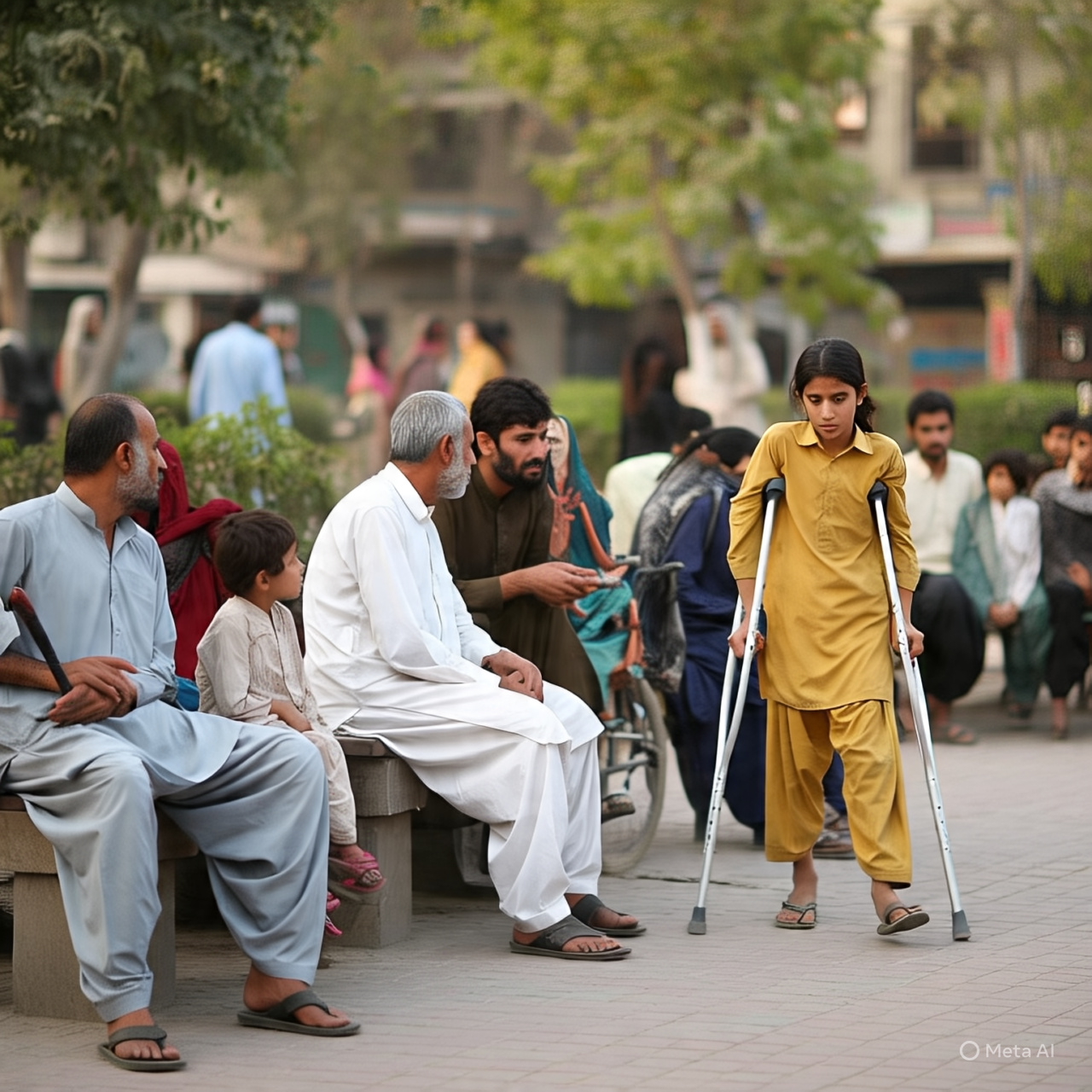
Alongside the urban livability challenges, Pakistan is witnessing a troubling reappearance of the Wild Poliovirus Type 1 (WPV1) in several regions, particularly in areas near Karachi and other parts of Sindh province. According to Pakistan’s health authorities, environmental samples taken from Larkana, Mirpur Khas, Rawalpindi, Quetta, and South & Upper South Waziristan have tested positive for WPV1.
Meanwhile, samples from Lahore and Pishin have tested negative, offering some relief. Officials attribute the virus’ persistence to gaps in immunization coverage and are ramping up efforts to contain its spread.
According to China’s Xinhua News Agency, Pakistan’s Polio Eradication Programme has launched three national vaccination drives in 2025, covering over 45 million children under five with the help of 400,000+ frontline health workers. These intensified campaigns, introduced in September 2024, have begun to yield results, with a steady decline in positive environmental samples.

Yet, as of mid-2025, 12 new polio cases have emerged. Health authorities continue to urge parents to ensure that their children receive oral polio drops during every campaign round, emphasizing that repeated vaccination is the only reliable safeguard against this highly infectious and paralyzing disease.
What is WPV1?
Wild Poliovirus Type 1 (WPV1) remains the only strain of polio virus that is naturally circulating globally. It mainly affects children under five, is extremely contagious, and can cause permanent paralysis. While there is no cure, vaccination remains the only effective prevention. The Global Polio Eradication Initiative (GPEI) has helped reduce polio cases by over 99.99% since its inception in 1988.
As Pakistan battles on two fronts—urbanization and public health—the road ahead calls for sustained governance, strategic planning, and continued international cooperation to build safer, healthier, and more livable urban futures.