New Delhi | Recent geopolitical developments have reignited a global debate over Iran’s strategic options in an increasingly volatile world order. The controversial US military action in Venezuela—reportedly involving the forcible transfer of President Nicolás Maduro to New York—has shocked the international community and raised serious questions about sovereignty, international law and the future balance of global power.
Critics argue that such actions signal a shift toward unilateralism, where military and economic power override diplomatic norms. Against this backdrop, fears are growing that similar pressure tactics could be extended to countries like Iran, Cuba, Mexico and others that resist US influence.
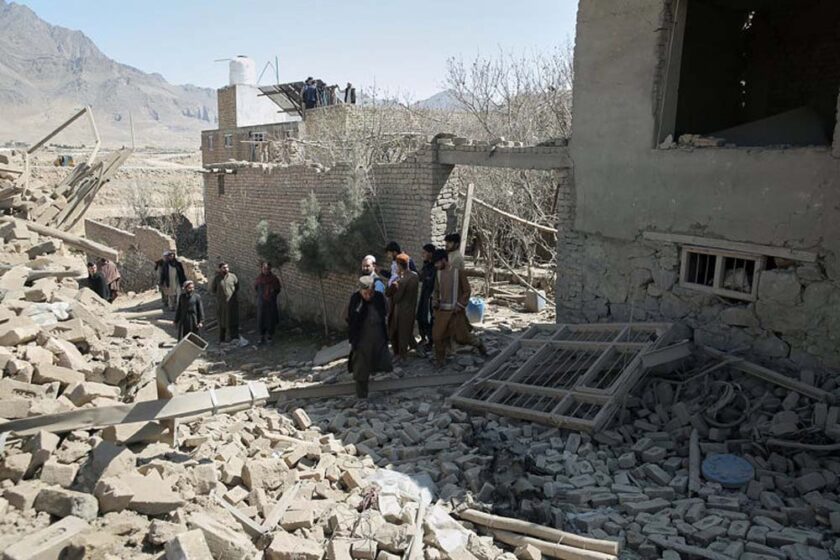
For Iran, the situation is especially complex. Despite decades of sanctions, Tehran has built notable capabilities in science, defence and technology. The 12-day Iran–Israel conflict in June 2025, marked by direct attacks on Iranian nuclear and military sites and Iran’s large-scale missile retaliation, demonstrated its growing deterrence capacity.

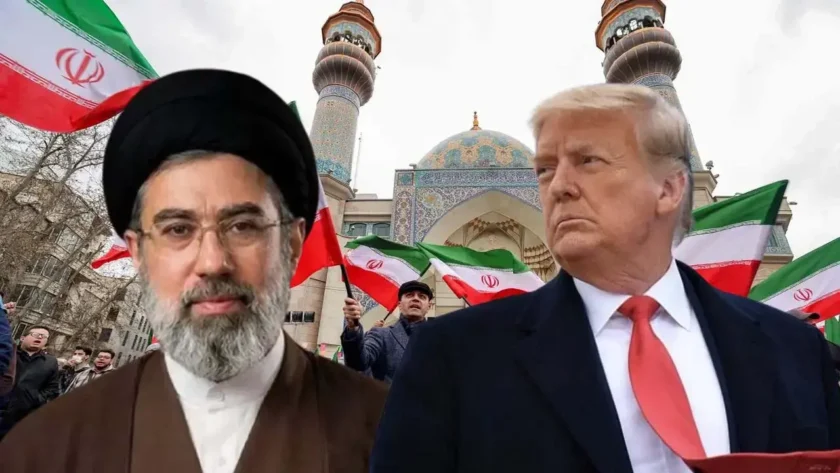
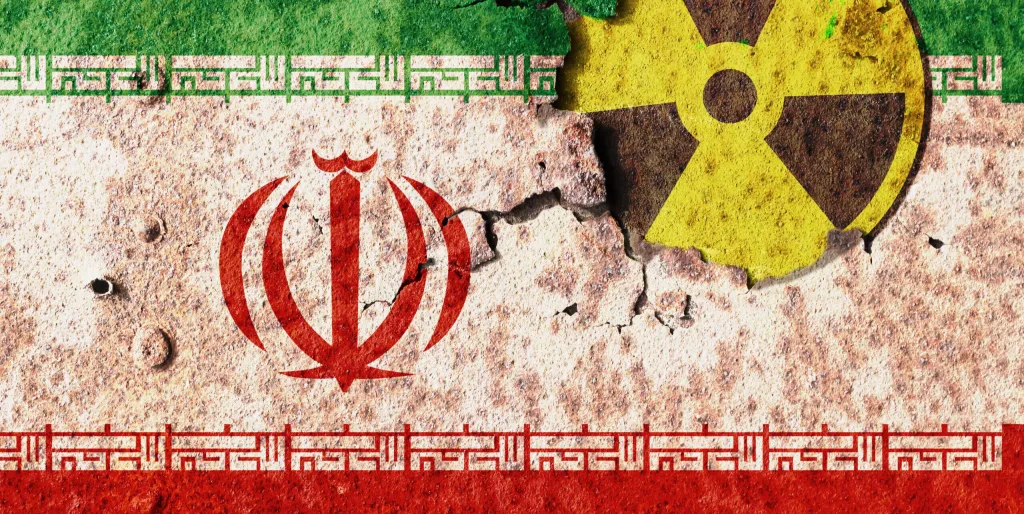
With renewed US warnings over internal unrest and the possibility of direct military action, analysts are asking whether Iran may now consider nuclear testing as a deterrent strategy—similar to North Korea—to prevent external aggression.
Supporters of this view argue that nuclear capability could strengthen Iran’s security, regional influence and internal unity. Critics warn it could further escalate tensions and isolation. The question remains: in today’s power-driven global order, is nuclear deterrence becoming a necessity for survival?