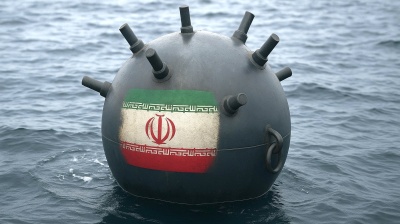
Tehran: Rising geopolitical tensions in the Middle East are beginning to spill beyond direct military confrontation, with Iran indicating a possible expansion of pressure across key global shipping routes. The development comes as ongoing disruptions in the Strait of Hormuz continue to impact international trade and energy flows.
Concerns Over Another Strategic Chokepoint
Attention is now shifting toward the Bab el-Mandeb Strait, a vital maritime corridor connecting the Red Sea with the Gulf of Aden. Iranian leadership has publicly raised questions about global dependence on this route, particularly for transporting oil, liquefied natural gas, food grains, and fertilisers.
Analysts interpret these remarks as a strategic signal, highlighting vulnerabilities in global supply chains. Any disruption in this corridor could have significant economic consequences, especially for nations heavily reliant on maritime imports.
Hormuz Disruptions Continue to Strain Trade
The Strait of Hormuz remains under pressure, with partial restrictions already affecting shipping logistics. As one of the world’s most critical energy transit routes, even limited disruptions here have led to rising shipping costs, delays, and volatility in global commodity markets.
Experts warn that if pressure extends to additional chokepoints, the cumulative impact could severely strain global supply chains, particularly in energy and food distribution sectors.

Military Escalation Adds to Uncertainty
Alongside maritime concerns, reports تشير to an escalation in military activity involving Iranian and allied forces. Recent coordinated strikes have reportedly targeted locations linked to Israel, marking a continuation of retaliatory actions amid ongoing hostilities.
The operations are said to involve a mix of missile systems and unmanned aerial vehicles, reflecting a more advanced and coordinated approach. Officials have suggested that such actions may persist, indicating no immediate signs of de-escalation.
Wider Implications for Global Stability
The dual strategy of maritime pressure and military escalation is raising alarms among global observers. Disruptions in strategic waterways like the Strait of Hormuz and Bab el-Mandeb could ripple across international markets, affecting fuel prices, supply chains, and economic stability—particularly for energy-dependent economies.
With diplomatic engagement remaining limited, the situation continues to evolve with uncertainty. Experts caution that any further escalation—whether at sea or on land—could deepen instability in an already fragile region and amplify global economic risks.