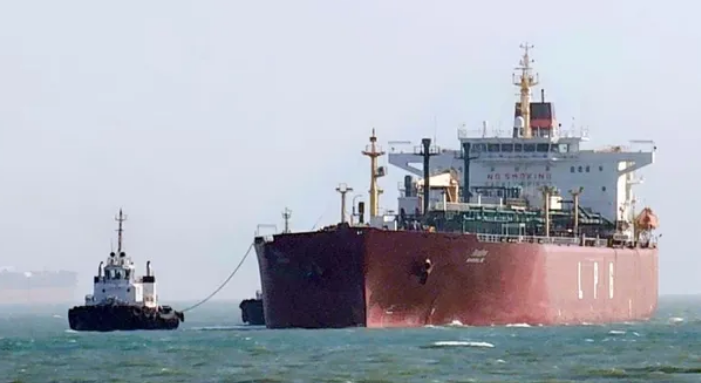
Tehran: Amid rising tensions in the Middle East, Iran is reportedly considering a significant shift in how it collects transit fees from global shipping companies passing through the strategically vital Strait of Hormuz.
According to emerging reports, Tehran may require vessels to pay toll charges in cryptocurrency instead of traditional currencies. The move is believed to be aimed at bypassing financial restrictions imposed by Western nations, particularly the United States.
Sanctions Driving Alternative Payment Mechanisms
Iran has faced mounting challenges in accessing the global banking system due to stringent sanctions. As a result, cryptocurrencies are increasingly being explored as an alternative channel to facilitate international transactions while reducing dependence on conventional financial networks.
Analysts suggest that adopting crypto payments could help Iran safeguard its economic interests while maintaining control over a critical global trade route.
Strategic Importance of the Strait

The Strait of Hormuz remains one of the world’s most crucial maritime chokepoints, handling nearly 20% of global oil shipments. Any change in toll collection mechanisms in this corridor could have far-reaching implications for international trade and energy markets.
Experts warn that mandating cryptocurrency payments may pose operational and regulatory challenges for shipping companies, many of which are not fully equipped to handle such transactions. This could also introduce new layers of uncertainty in global markets.
No Official Confirmation Yet
While the reports have sparked global attention, Iranian authorities have not yet made any formal announcement regarding the proposal. If implemented, however, the move could mark a notable shift in international trade practices, particularly in regions affected by geopolitical and economic constraints.