
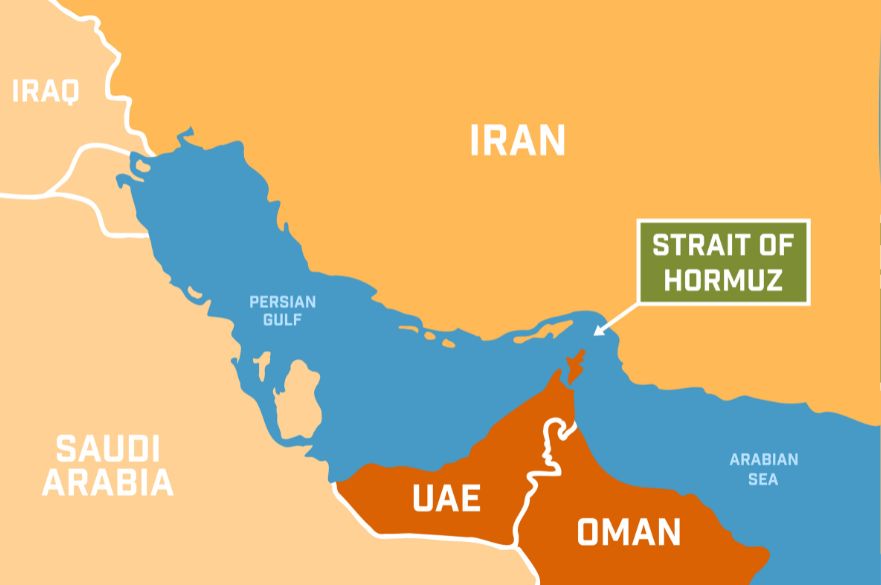
Tehran: Iran is reportedly preparing a draft bill that would require vessels to pay a fee for secure passage through the Strait of Hormuz, one of the world’s most critical energy chokepoints. The proposed legislation is aimed at formally asserting Iran’s sovereignty and control over the waterway while generating additional revenue for the country.
According to semi-official reports, the bill is expected to be finalized next week, marking a legal codification of Iran’s authority over the strait, which connects major Persian Gulf oil and gas producers to global markets. A lawmaker cited by Fars News Agency said, “We are pursuing a proposal in which Iran’s oversight in the Strait of Hormuz is formally recognized in law, and through toll collection, a source of revenue is created for the country.”
Amid rising tensions in the region, Iran has allowed vessels from friendly nations—including India, China, Russia, Iraq, and Pakistan—to transit the strait. However, reports indicate that ships without prior approval have been turned back, highlighting Iran’s strict enforcement of maritime coordination. One Pakistan-bound vessel, the Selen, was reportedly denied passage for failing to obtain the necessary clearance.
The proposed toll comes at a time of significant disruption to global energy flows. Nearly 20% of the world’s oil supply passes through the strait, which has been operating at a fraction of its normal capacity due to ongoing hostilities in the Middle East. Limited shipping and damage to regional refineries have contributed to a surge in oil prices, with Brent crude briefly exceeding $114 per barrel earlier this week.

The United States has proposed a 15-point peace plan, which includes the reopening of the Strait of Hormuz as a key condition for ending the conflict in the Middle East. Analysts are closely watching how Washington and other global stakeholders will respond if Iran implements tolls, potentially adding further strain to international energy markets.
The development underscores the geopolitical and economic significance of the Strait of Hormuz, as any disruption could have immediate repercussions for global oil supplies and pricing.