New Delhi: India has increasingly been playing an important role in global conflict mitigation—helping reduce tensions, facilitating dialogue, and contributing to peacekeeping and humanitarian efforts. As one of the world’s largest democracies, a major emerging power, and a nation with strong diplomatic ties across regions, India often acts as a bridge between the developed and developing world. Its approach is generally based on diplomacy, multilateral cooperation, and strategic neutrality.
Below are some of the key ways in which India contributes to mitigating global conflicts.
1. Peacekeeping Operations Around the World
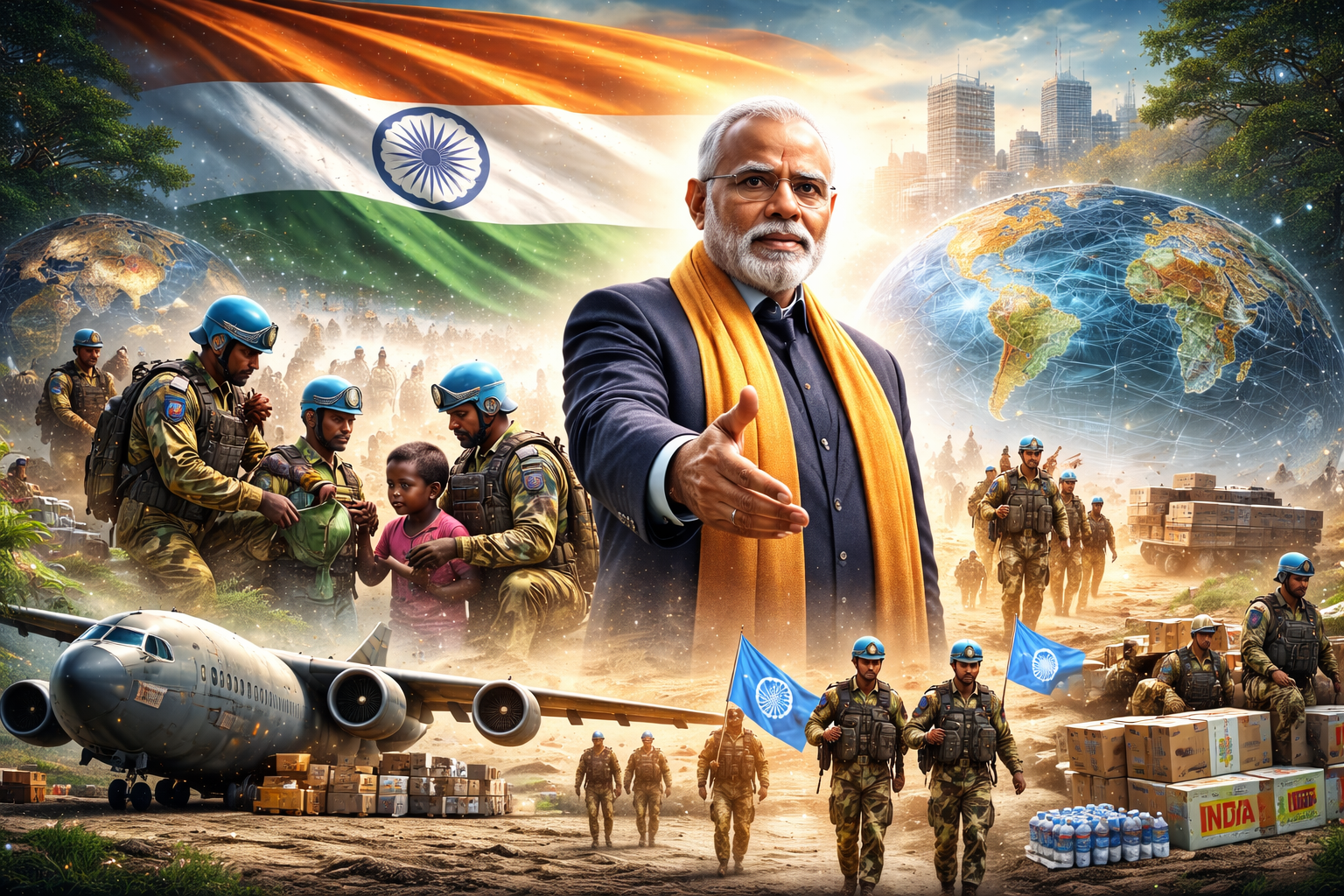
India has been one of the largest contributors to United Nations peacekeeping missions for decades. Since the 1950s, India has deployed more than 250,000 troops in UN missions across various conflict zones.
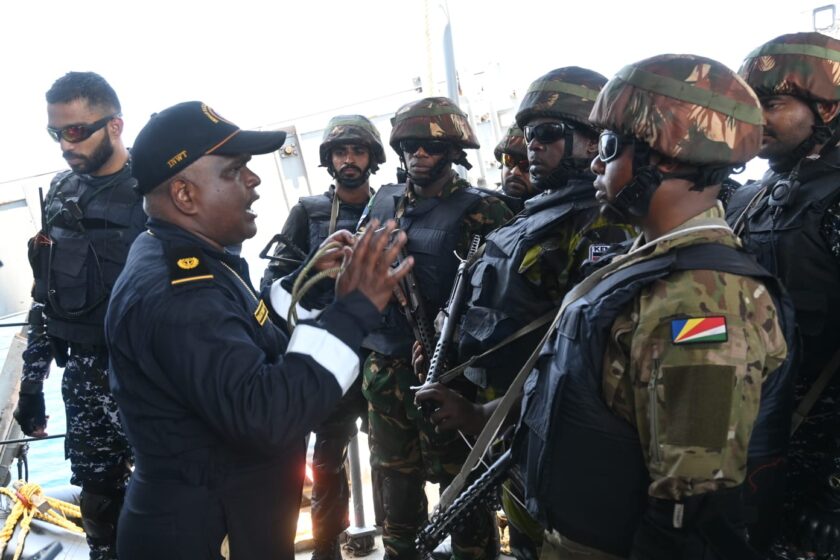
Indian peacekeepers have served in missions in countries such as South Sudan, Democratic Republic of the Congo, Lebanon, and Haiti. These forces help monitor ceasefires, protect civilians, deliver humanitarian aid, and assist in rebuilding institutions after conflicts.
Indian women peacekeepers have also played a pioneering role. India deployed one of the first all-female police units to Liberia, setting an important global example for gender inclusion in peacekeeping.
2. Diplomatic Mediation and Strategic Neutrality
India often adopts a balanced diplomatic stance during international conflicts. Instead of aligning rigidly with one bloc, it attempts to maintain dialogue with multiple sides.
For example, during the Russo-Ukrainian War, India maintained diplomatic relations with both Russia and Ukraine while consistently calling for dialogue, sovereignty, and peaceful resolution.
Similarly, India has historically maintained relations with countries across competing geopolitical camps—from United States to Iran and Israel—which gives it diplomatic flexibility in sensitive geopolitical environments.
3. Role in Global Multilateral Platforms
India uses international forums to advocate peaceful conflict resolution and global stability.
In organizations such as G20, BRICS, and the Shanghai Cooperation Organisation, India promotes dialogue on security, economic cooperation, and regional stability.
During its presidency of the G20 in 2023, India emphasized the theme “One Earth, One Family, One Future,” highlighting the importance of cooperation rather than confrontation in global governance.
These platforms allow India to influence global policies related to security, development, and economic resilience.
4. Humanitarian Assistance and Disaster Relief
India frequently assists countries affected by war or disasters through humanitarian operations.
For instance, India launched Operation Dost to send relief teams, medical aid, and rescue workers to Turkey and Syria following the devastating 2023 earthquakes.
Similarly, during the COVID-19 pandemic, India supplied vaccines and medical supplies to dozens of countries under the Vaccine Maitri initiative. These efforts strengthened global cooperation during a time of crisis.
Humanitarian assistance helps stabilize regions affected by disasters or conflict, preventing further instability.
5. Evacuation and Crisis Response Operations
India has also carried out major evacuation operations in conflict zones, helping both Indian citizens and foreign nationals.
For example, during the Yemen Civil War, India launched Operation Raahat in 2015 to evacuate thousands of people from Yemen, including citizens from several other countries.

More recently, India conducted evacuation missions from Ukraine during the Russia-Ukraine war and from Sudan during the 2023 conflict. Such operations demonstrate India’s capability to respond quickly to humanitarian crises.
6. Promoting Development as Conflict Prevention
India believes that economic development and poverty reduction are key to preventing conflicts.
Through development partnerships, India provides financial assistance, infrastructure projects, and capacity-building programs in many countries, particularly in Africa and Asia.
The Indian Technical and Economic Cooperation Programme supports training and development initiatives in numerous developing nations. By helping strengthen governance and economic growth, these initiatives reduce the likelihood of instability and conflict.
7. Counterterrorism Cooperation
India actively collaborates with global partners to combat terrorism, which is often a major driver of international conflict.
At forums such as the United Nations Security Council, India has consistently pushed for stronger international action against terror financing and extremist networks.
India also participates in intelligence-sharing and joint security initiatives with various countries to counter cross-border terrorism and radicalization.
8. Strategic Partnerships for Stability
India maintains strategic partnerships with several major powers and regional organizations to promote security and stability.
For example, India is a member of the Quadrilateral Security Dialogue along with United States, Japan, and Australia. While primarily focused on Indo-Pacific security, this partnership also promotes cooperation in humanitarian assistance, disaster response, and maritime security.
India also works closely with regional partners in South Asia to address conflicts and crises.
9. Advocacy for Global South Interests
India frequently acts as a voice for developing countries in global debates. Many conflicts arise due to inequality, resource scarcity, or governance challenges in developing regions.
By advocating for fair global policies and economic cooperation, India aims to address root causes that often contribute to instability.
India’s outreach to African, Asian, and Latin American nations strengthens diplomatic engagement across the Global South.
India’s role in global conflict mitigation is multifaceted. Through peacekeeping missions, humanitarian assistance, diplomatic engagement, development partnerships, and participation in international institutions, India contributes to maintaining global stability.
Rather than relying solely on military power, India often emphasizes dialogue, cooperation, and development as key tools for resolving conflicts. As its economic and strategic influence continues to grow, India is likely to play an even more significant role in shaping a more stable and cooperative international order.
In an increasingly polarized world, India’s ability to maintain relationships across geopolitical divides positions it as a potential bridge-builder in global conflict resolution.