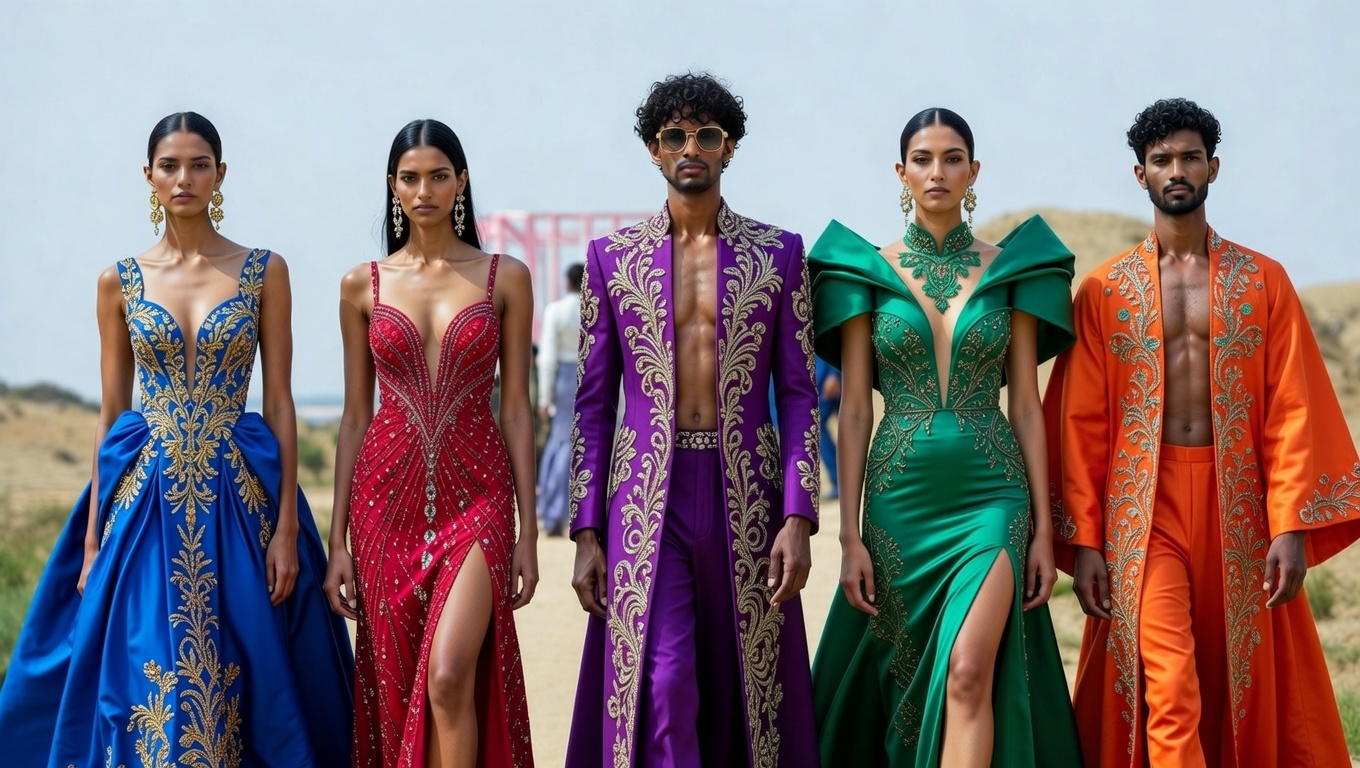
Mumbai: 2025 proved a landmark year for Indian fashion, blending heritage craftsmanship with contemporary innovation, sustainability, and global appeal. Vibrant colors, fusion silhouettes, bold embellishments, and eco-conscious choices dominated runways, red carpets, and streets alike. Events like Lakmé Fashion Week x FDCI spotlighted artisans as designers, while Bollywood stars dazzled at the Met Gala, Cannes, and Paris Fashion Week, elevating desi glamour worldwide. Sustainable brands revived handlooms and organic fabrics, proving that ethical fashion could be both luxurious and trendy. From maximalist ethnic wear to gender-fluid designs, headturners embraced individuality, comfort, and cultural pride, making Indian fashion a global force.
Runway Revolutions: Designers and Collections That Stole the Spotlight
Lakmé Fashion Week x FDCI 2025 celebrated artisans prominently, with shows like Design Craft Presents Artisan Designers of Somaiya Kala Vidya featuring creators such as Zaid Khatri, Amruta Vankar, and Mubbasirah Khatri, showcasing ajrakh prints and weaving mastery.
Tarun Tahiliani’s grand finale embodied maximalism with jewel-inspired drapes and opulent embellishments. Shantnu & Nikhil’s Velora evoked 1930s cinematic glamour through structured drapery. Pankaj & Nidhi offered versatile separates with a touch of regal futurism, while Sanjukta Dutta’s Gadhuli celebrated Assamese silk in vibrant hues.
Emerging GenNext talents impressed with innovative craft integrations, while sustainability shone through initiatives like the R|Elan Circular Design Challenge and collaborations using alternative textiles and natural dyes. India Couture Week highlighted opulent bridal wear with modern twists, including belted lehengas and metallic accents.
Bold Trends: Colors, Silhouettes, and Embellishments
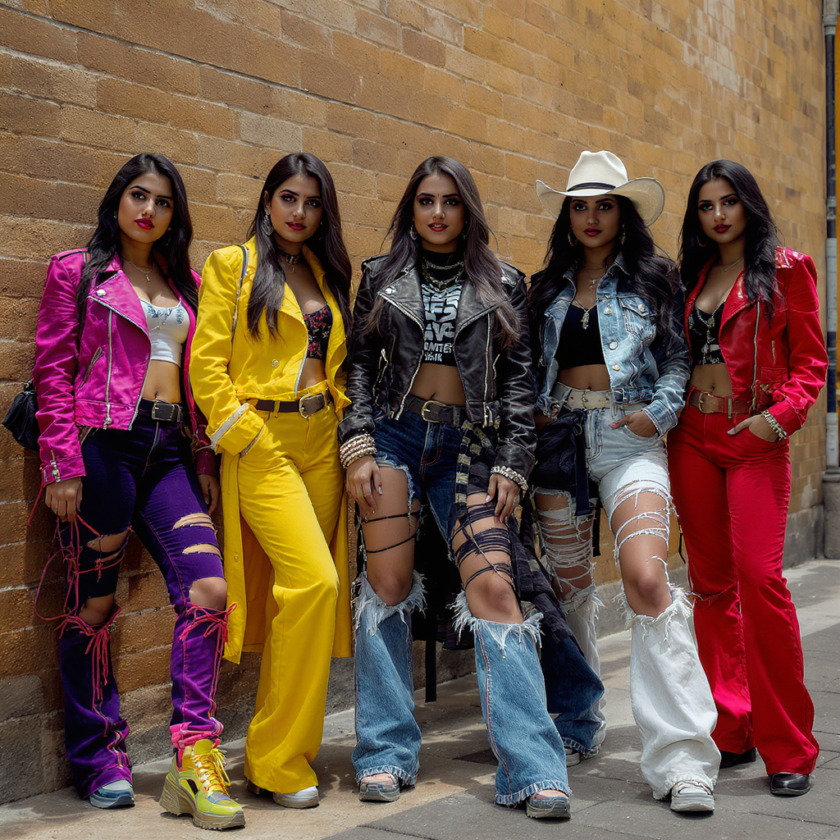
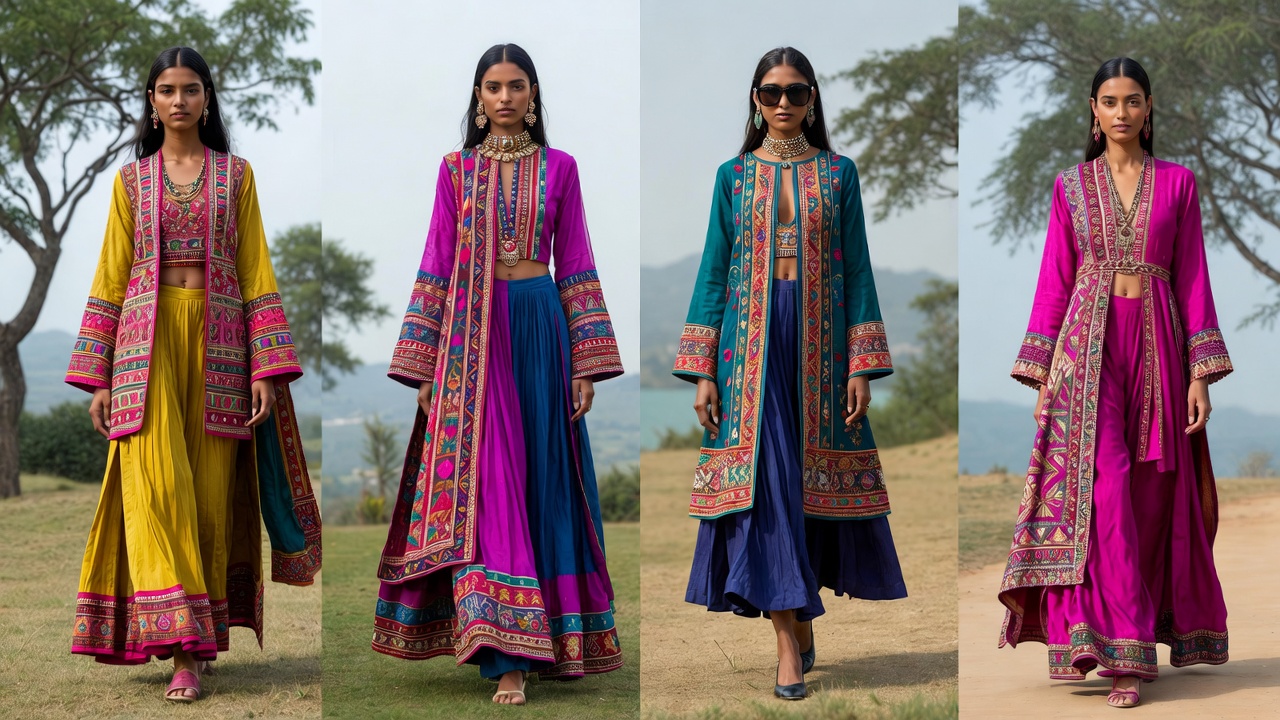
After years of minimalism, 2025 embraced maximalism in full force. Vibrant palettes—fuchsia pink, emerald green, mustard yellow, electric blue, and jewel tones—dominated, often combined in bold prints and eclectic mixes. Softer pastels, such as blush pink and lavender, balanced bridal ensembles.
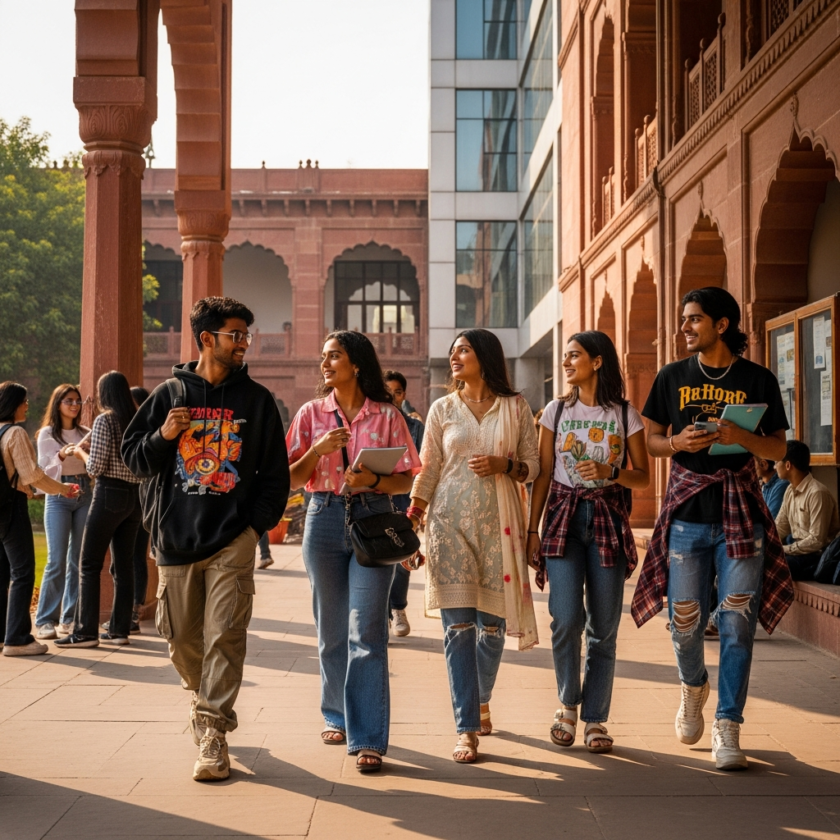
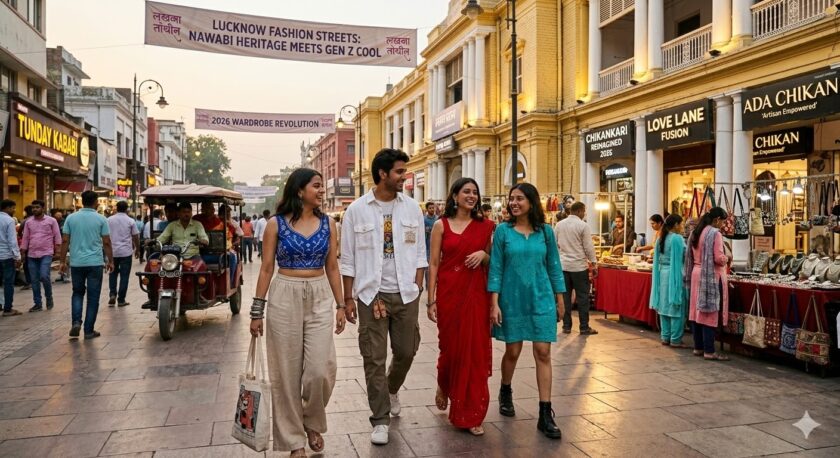
Fusion wear flourished: sarees paired with crop tops or belts, lehengas with shirts, Indo-Western palazzo suits, and dhoti pants with jackets. Cape sleeves, asymmetrical hems, and layered drapes added drama to silhouettes. Embellishments included bead-drop tassels, sequins, zardozi, mirror work, and pearl highlights.
Minimalism persisted in subtle styles, with hand-block prints and organic fabrics offering understated elegance. Gender-fluid designs—unisex kurtas and Nehru jackets—promoted inclusivity, while net fabrics and mesh added edgy, contemporary appeal.
Bollywood’s Global Conquest: Red Carpet Dominance
Indian celebrities made an unforgettable mark on international stages. At the Met Gala, Shah Rukh Khan debuted in a regal Sabyasachi ensemble, Diljit Dosanjh honored his Punjabi roots in Prabal Gurung, and Kiara Advani glowed in maternity couture by Gaurav Gupta.

At Cannes, Alia Bhatt stunned in a Gucci sari-inspired gown, joined by Aishwarya Rai Bachchan, Janhvi Kapoor, and other stars in desi couture. Domestic events, like the Zee Cine Awards, showcased sustainable ethnic wear. Celebrity couples, including Ranbir-Alia and Vicky-Katrina, coordinated festive looks, inspiring fans globally. Ranveer Singh’s maximalist airport style and vintage revivals went viral, cementing his influence on contemporary fashion.
Sustainability Surge: Ethical Brands Leading the Way
Sustainability became mainstream, with brands prioritizing organic cotton, handlooms, and upcycling. No Nasties, FabIndia, and The Navra championed fair trade and artisan collaborations. Doodlage upcycled waste, while Oshadi focused on regenerative farming. I Was A Sari repurposed saris, and B Label showcased hemp-based designs.
Virtual try-ons and AR technology reduced returns, supporting eco-friendly practices. Celebrities such as Alia Bhatt and Dia Mirza promoted green choices, boosting demand for khadi, Chanderi, and naturally dyed fabrics.
Menswear and Accessories: Completing the Picture
Menswear saw asymmetric kurtas, embroidered sherwanis, and Indo-Western tuxedos gain global traction, with stars like Vijay Deverakonda and Arjun Rampal elevating couture. Accessories became statement pieces—oversized pearls, fuzzy charms, and bold jewelry tied ensembles together.
Economic caution favored versatile, reusable pieces, while tech tools like AI styling platforms personalized shopping experiences. Challenges remained in scaling sustainable materials, yet the progress achieved signaled a positive trajectory for the industry.
2025’s headturners in Indian fashion celebrated diversity, sustainability, and unapologetic self-expression. From artisan-led runways to Bollywood’s international triumphs, the year seamlessly fused tradition with modernity. Vibrant colors, fusion silhouettes, gender-fluid designs, and eco-conscious innovations positioned Indian fashion as a global powerhouse. With craftsmanship, creativity, and sustainability at the forefront, 2025 set a vibrant, conscious path for the industry, inspiring audiences worldwide and shaping the future of desi style.