New Delhi | In a major boost to indigenous defence manufacturing, the Indian Coast Guard (ICG) has signed a contract with L&T Precision Engineering & Systems for the supply of six Rail-Less Helicopter Traversing Systems (RLHTS). The systems will be installed onboard the Coast Guard’s Next-Generation Offshore Patrol Vessels (NGOPVs) currently under construction in India.
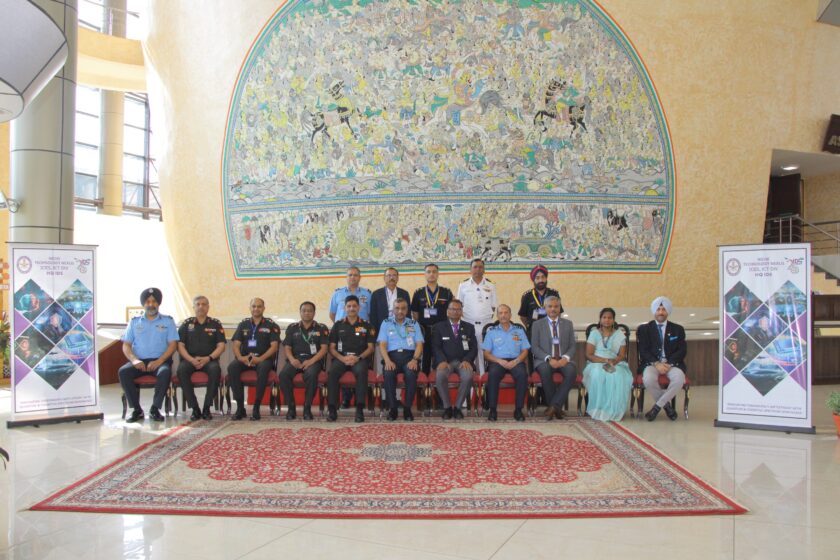
The agreement was signed on Friday at the Coast Guard Headquarters in New Delhi in the presence of senior officials. The contract was formalised by the Principal Director (Air Acquisition) of the Indian Coast Guard and a senior executive from L&T, under the supervision of the Deputy Director General (Aviation). The procurement aligns with the Government of India’s Aatmanirbhar Bharat initiative, reinforcing self-reliance in critical defence technologies.
Advanced Helicopter Handling Technology
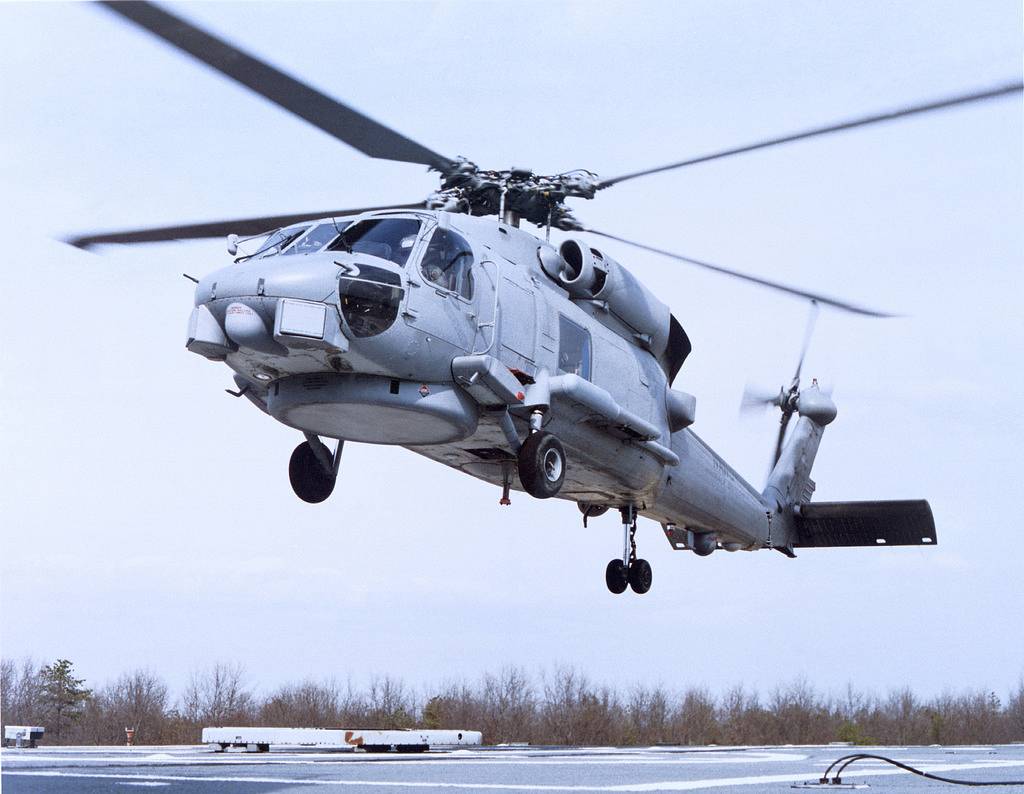
Rail-Less Helicopter Traversing Systems represent a significant advancement in naval aviation operations. Unlike conventional rail-based systems, RLHTS enables helicopters to be moved safely between the flight deck and hangar without fixed rails, even in rough sea conditions.
The system uses a combination of winches, tensioned wires and precision sensors to secure and manoeuvre helicopters across the deck. This design eliminates strict alignment constraints, enhancing operational flexibility, reliability and safety, particularly during high-sea states and night operations.
As per technical specifications, the RLHTS is capable of handling probe-equipped helicopters weighing up to 12.5 tonnes, making it suitable for a wide range of rotary-wing platforms operated by the Coast Guard.
Enhancing NGOPV Capabilities
The integration of RLHTS will significantly improve helicopter operations on NGOPVs, which play a critical role in maritime surveillance, search and rescue, anti-piracy operations and humanitarian assistance.
The NGOPVs are designed with advanced maritime features, including twin diesel engines, a top speed of 23 knots, and an endurance of approximately 5,000 nautical miles. They are equipped with helicopter decks and hangars for heavy helicopters, along with modern technologies such as unmanned aerial systems, AI-enabled tools and remotely operated rescue equipment.

Steel cutting for the first NGOPV has already taken place at Mazagon Dock Shipbuilders Limited (MDL), Mumbai, indicating steady progress in the programme aimed at strengthening India’s coastal and offshore security framework.
L&T’s Proven Track Record
L&T has been a long-standing partner in Indian Coast Guard shipbuilding programmes. Earlier, the company successfully delivered seven Offshore Patrol Vessels (OPVs) from its Kattupalli shipyard, each measuring 97 metres in length, capable of speeds up to 26 knots and featuring similar long-range endurance.
Those vessels were delivered ahead of schedule following contracts awarded after 2015, highlighting L&T’s expertise in indigenous shipbuilding and systems integration, with certifications from international bodies such as the American Bureau of Shipping.
Strengthening Maritime Self-Reliance
The induction of RLHTS on NGOPVs will enhance the Coast Guard’s ability to conduct sustained aerial operations, ensuring faster response times across India’s vast maritime domain. By prioritising indigenous solutions, the Indian Coast Guard continues to reduce dependence on imports while strengthening operational autonomy in an increasingly complex regional security environment.
The deal also reflects growing collaboration between India’s armed forces and private defence industry, positioning domestic companies as key contributors to national security and maritime capability development.