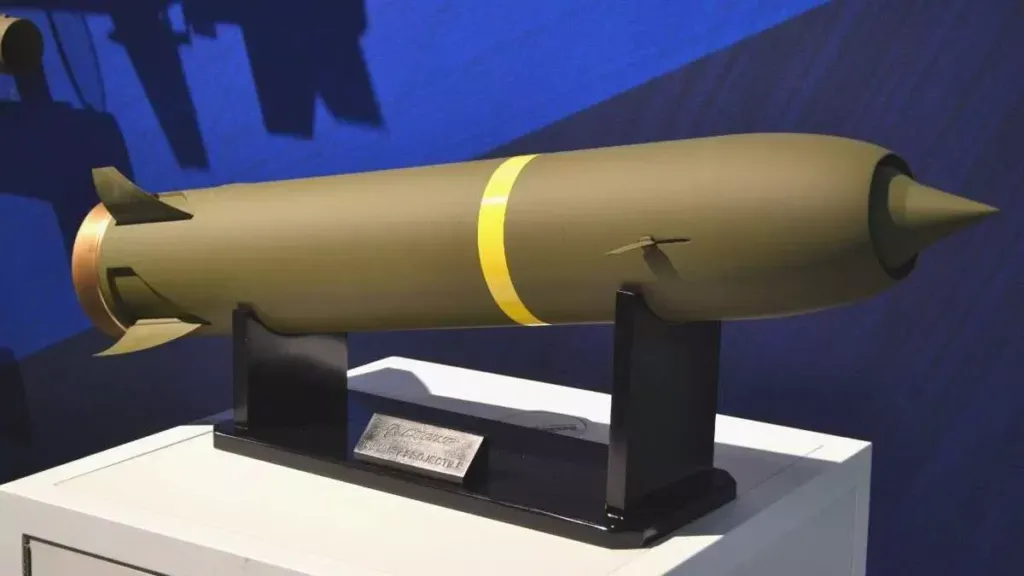
New Delhi: The Indian Army is on the verge of achieving a historic breakthrough in artillery warfare, with plans underway to induct the world’s first ramjet-powered 155 mm artillery shells. This cutting-edge development marks a major leap in India’s military modernisation and firmly reinforces the country’s push towards Atmanirbharta (self-reliance) in defence technology.
Developed through a close collaboration between IIT-Madras and the Indian Army, the innovative shell is expected to extend the range of existing 155 mm artillery ammunition by 30 to 50 per cent without compromising destructive capability. Once operational, it will significantly enhance the Army’s long-range strike and counter-battery fire potential.
A Major Leap in Artillery Modernisation
Extending artillery range and improving accuracy have been central to the Indian Army’s modernisation roadmap. As battlefield dynamics evolve, longer reach and higher precision are becoming decisive factors. The ramjet-assisted 155 mm shell represents a transformative step by adapting missile propulsion technology for conventional artillery guns.
The project is being executed under the aegis of the Army Technology Board (ATB) and has already received formal approval. Initial trials conducted at the Pokhran field firing ranges in Rajasthan—India’s premier testing ground for indigenous weapon systems—have yielded encouraging results, paving the way for advanced evaluations.
How the Ramjet Shell Works
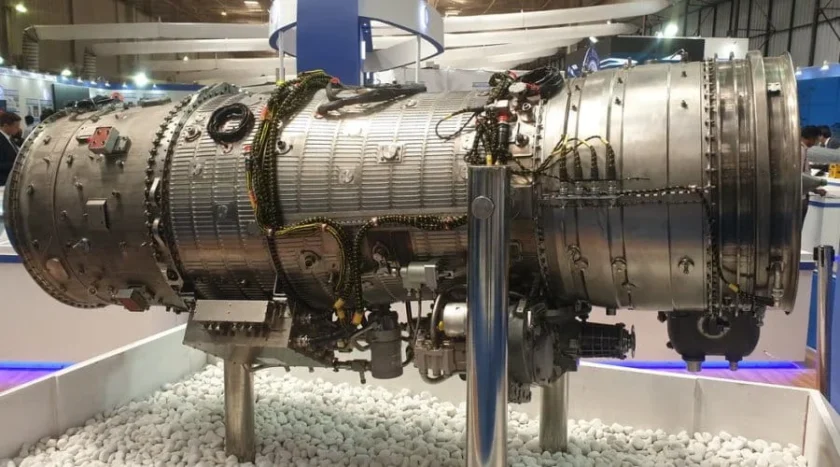
Explaining the technology, experts from IIT-Madras note that a ramjet is a simple air-breathing propulsion system that does not require turbines or compressors. Instead, it relies on high-speed airflow generated after launch. Once the shell reaches approximately Mach 2, air entering the intake compresses naturally, mixes with fuel, and ignites to produce sustained thrust, allowing the projectile to travel much farther than traditional shells.
The simplicity of the ramjet design improves reliability and makes it well-suited for artillery applications, where extreme launch forces and harsh conditions are common.
Compatible With Existing Guns
One of the most significant advantages of the new shell is its retrofit capability. The ramjet-powered module can be adapted to existing 155 mm shells already in service, eliminating the need for entirely new artillery platforms. This dramatically reduces procurement costs and speeds up induction timelines.
The shell is also compatible with a wide range of Indian Army gun systems, including the M777 ultra-light howitzer, which is critical for rapid deployment and mountain warfare. Its universal applicability across different 155 mm platforms enhances operational flexibility across diverse terrains.

Redefining Artillery Roles
Traditionally, artillery is categorised by calibre—light guns up to 105 mm, medium guns between 106 mm and 155 mm, and heavy artillery beyond that. The enhanced range offered by the ramjet shell effectively elevates 155 mm guns into a role traditionally reserved for heavier systems, allowing deeper strikes without acquiring new weapons.
This capability is especially significant in the context of regional security challenges, where long-range artillery dominance can decisively influence outcomes. Extended reach provides India an edge in countering adversary systems and strengthens deterrence along sensitive borders.
Strategic, Economic, and Export Potential
Beyond battlefield advantages, the project delivers substantial strategic and economic benefits. Indigenous development reduces dependence on foreign suppliers and insulates India from global supply chain disruptions. Large-scale production could also open up export opportunities, positioning India as a supplier of advanced yet cost-effective artillery solutions to friendly nations.
Challenges and the Road Ahead
Despite successful trials, challenges remain. Ensuring reliable ramjet ignition after gun launch, maintaining aerodynamic stability at supersonic speeds, and integrating the new shell with existing fire control and ballistic systems require further testing. However, ongoing trials and institutional support suggest steady progress toward operational readiness.
Experts believe initial induction could begin by 2026–27, aligning with the deployment of systems like ATAGS and K9 Vajra, potentially creating a powerful and modern artillery ecosystem.
A Defining Moment for Indian Defence Innovation
If inducted as planned, the ramjet-powered 155 mm shell will place the Indian Army at the forefront of global artillery technology. From academic laboratories to live-fire trials in Pokhran, the project symbolises India’s growing confidence and capability as a defence innovator—reshaping artillery doctrine and strengthening national security in an increasingly complex strategic environment.