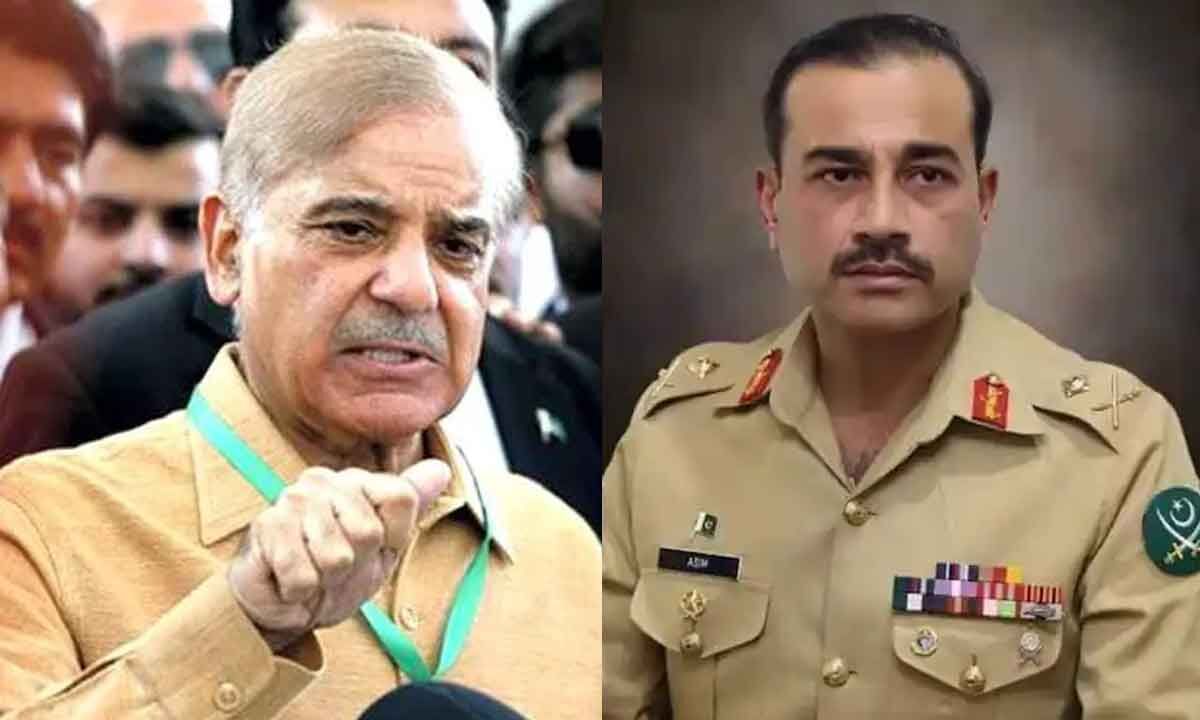
New Delhi – Pakistan’s Sharif government has recently passed a significant constitutional amendment that grants unprecedented powers to its army chief, Munir. The amendment not only places him at the helm of the country’s entire military apparatus but also gives him full control over Pakistan’s nuclear arsenal. Moreover, the amendment shields Munir from any legal proceedings, effectively removing judicial oversight over his actions.
This move marks a major shift in Pakistan’s internal political balance and raises serious concerns for regional security and stability. Historically, the tug-of-war between civilian governments and the military in Pakistan has been a defining feature of its political landscape. By concentrating authority in Munir’s hands, the amendment signals that the military’s influence now surpasses any constitutional checks, potentially weakening democratic structures and encouraging military dominance.
With control over nuclear weapons centralized in one individual, the security risks multiply. The move could exacerbate tensions with neighboring countries, particularly India, and destabilize regional peace. The immunity from legal accountability further amplifies the threat, as it eliminates any mechanisms for judicial or public review of military decisions, raising the potential for misuse of power and suppression of dissent.
For India and other regional nations, the development is alarming. Existing tensions between India and Pakistan make this consolidation of military authority especially concerning. New Delhi will need to adopt heightened vigilance in both border security and strategic planning to mitigate any potential risks arising from Pakistan’s centralized military command.

Domestically, Pakistan faces criticism as well. Many political parties and civil society groups view the amendment as unconstitutional and dangerous, arguing that it undermines freedom of expression and threatens democratic governance. While the Sharif government maintains that the move is essential for national security, critics contend that removing accountability from the army chief could lead to unchecked power and decision-making without oversight.
Experts warn that historically, granting extraordinary powers to military leaders often erodes democratic institutions and civil liberties. The international community is also watching closely, recognizing that Pakistan’s evolving military dominance has implications far beyond its borders, potentially affecting the broader South Asian security environment.
As the situation unfolds, diplomatic engagement and regional vigilance will be key to maintaining stability. The amendment underscores that the concentration of military authority in Pakistan is not just a national concern—it is a matter with far-reaching consequences for South Asia, demanding careful monitoring and proactive measures by neighboring states.