Ali Hasan
New Delhi: India and the United Arab Emirates (UAE) have moved well beyond the confines of formal diplomatic engagement, forging a comprehensive strategic partnership anchored in mutual trust, shared vision, and long-term priorities. Over the past few years, bilateral ties have steadily evolved into a multidimensional relationship that spans trade, energy, defence, digital innovation, startups, and policy coordination.
This transformation was clearly reflected in the recent high-level dialogue held in New Delhi, underscoring that India–UAE relations are no longer limited to commerce and investment alone. Instead, they now represent a future-oriented strategic convergence designed to address emerging global challenges and opportunities.
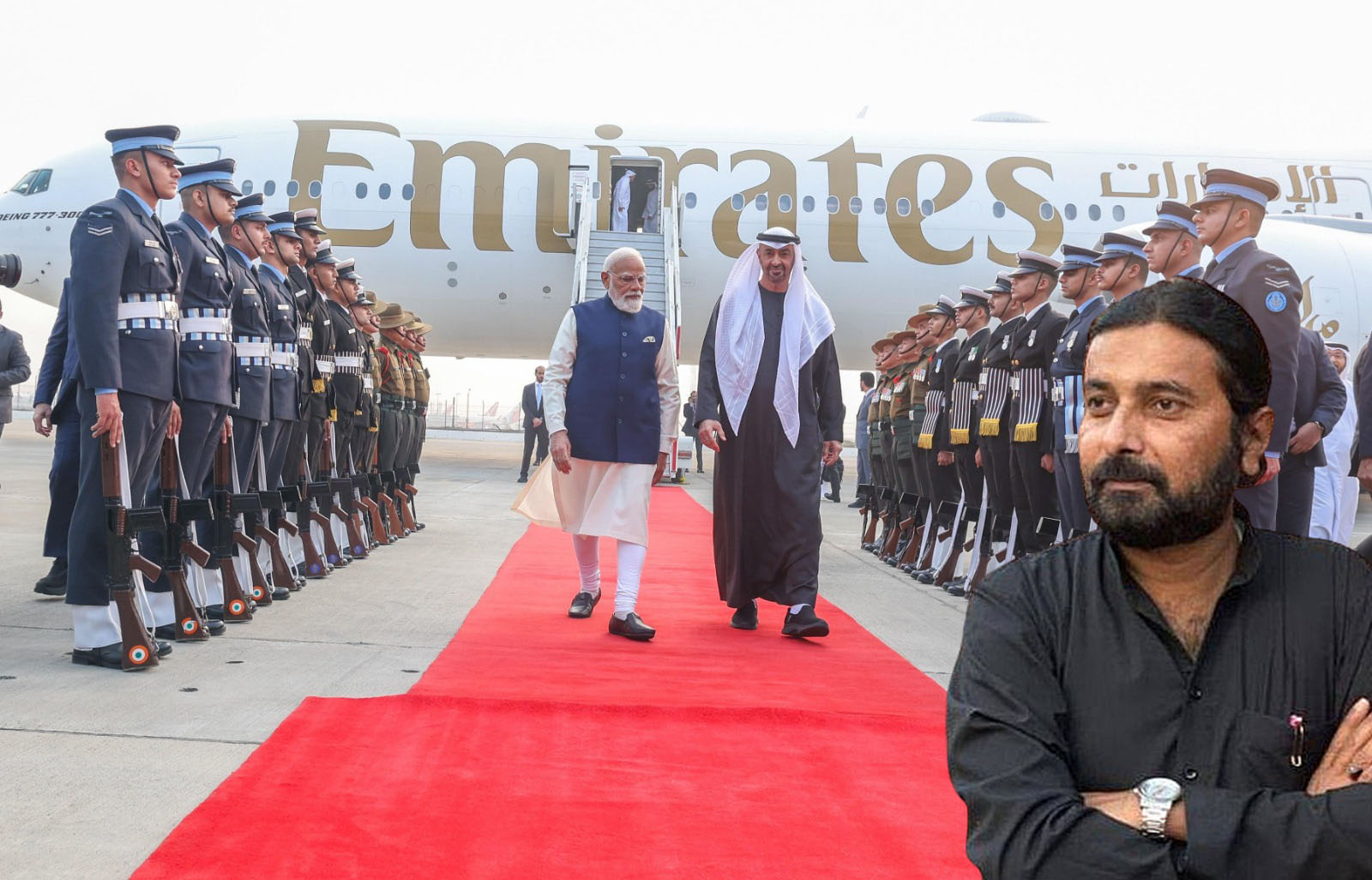
A key milestone in this evolving relationship was the recent visit of the UAE leadership to India, led by UAE President Sheikh Mohamed bin Zayed Al Nahyan. His extensive and substantive discussions with Prime Minister Narendra Modi went far beyond ceremonial diplomacy. The engagement reaffirmed that India and the UAE now view each other as long-term strategic partners, aligned in outlook and ambition.
The timing of this engagement is significant. The current global landscape is marked by geopolitical tensions, energy volatility, supply chain disruptions, and the growing urgency of climate change. In such an environment, nations are reassessing partnerships based on reliability, resilience, and shared interests. The India–UAE partnership stands out as a model of strategic maturity, demonstrating how cooperation can extend beyond immediate economic gains to long-term global stability.
A cornerstone of this relationship is the Comprehensive Economic Partnership Agreement (CEPA), which has provided fresh momentum to bilateral economic ties. CEPA has improved market access for Indian exporters in the UAE while opening new avenues for UAE investors in India’s manufacturing, infrastructure, and services sectors. By simplifying trade processes and enhancing transparency, the agreement has made bilateral trade more competitive and growth-oriented.
Energy cooperation, traditionally the backbone of India–UAE relations, is also undergoing a significant transformation. While oil and gas once dominated the partnership, the focus has now expanded to include renewable energy, solar and wind projects, green hydrogen, and energy storage solutions. As India pursues its energy transition and carbon neutrality goals, the UAE has emerged as a trusted partner. At the same time, collaboration with a large and growing market like India offers the UAE long-term energy cooperation opportunities.
Defence and security cooperation has emerged as another vital pillar of the strategic partnership. Joint military exercises, collaboration in defence technologies, and enhanced maritime security coordination have deepened mutual confidence. This growing defence engagement not only safeguards bilateral security interests but also contributes to peace and stability across the wider region.

Digital transformation and startup collaboration represent a relatively new but highly impactful dimension of India–UAE ties. India’s digital economy and startup ecosystem have gained global recognition, while the UAE—particularly Dubai and Abu Dhabi—is positioning itself as a global hub for innovation and investment. This synergy is enabling Indian startups to access international markets through the UAE, while Emirati investors are finding attractive opportunities in Indian sectors such as fintech, healthtech, artificial intelligence, and cleantech.
For India, deeper engagement with the UAE holds strategic value on multiple fronts. It enhances access to global markets, boosts foreign direct investment, supports the energy transition, and strengthens strategic balance in West Asia. The UAE is no longer just a trade partner for India, but a reliable strategic ally.
The importance of India for the UAE is equally significant. As one of the world’s fastest-growing major economies, India offers a vast consumer base, skilled human capital, and immense innovation potential. Strong ties with India provide the UAE with long-term economic stability, food and energy security, and a dependable partner on the global stage.
At a time when many global alliances are facing uncertainty, the India–UAE partnership stands out for its clarity of purpose and strategic depth. It goes beyond bilateral interests to offer joint solutions in trade, technology, sustainable development, and regional stability.
India–UAE relations are no longer transactional in nature. The recent high-level dialogue reaffirms that both nations are working together to build future-ready solutions. This partnership has become transformative—one that promises not only shared prosperity for India and the UAE, but also sets a new benchmark for global cooperation in the years ahead.
The writer is a senior journalist and political analyst