New Delhi: As the third decade of the 21st century unfolds, global politics faces a turning point where international norms, sovereignty, and multilateral cooperation appear increasingly fragile. Aggressive claims over Greenland, Britain, and Venezuela, alongside tariff wars leveraged as geopolitical tools, signal a shift from traditional diplomacy toward pressure and coercion. Amid this backdrop, the proposed India-European Union Free Trade Agreement (FTA) emerges as a potential alternative global economic axis.
Trump’s Strategic Use of Tariffs
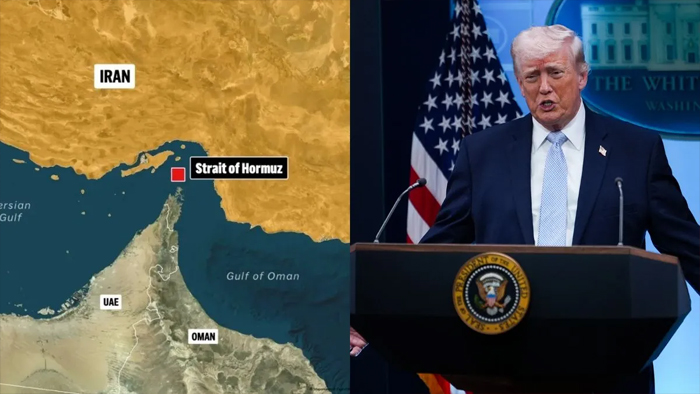
The Trump administration has treated tariffs as a strategic weapon. Initially targeting China, then Europe, and now even allied countries, this policy has destabilized global trade. Threats of tariffs ranging from 10% to 25% on European goods from February 1 forced Europe to seek alternative partners—creating an opening for India as a reliable and stable economic option. Similarly, the U.S.’s assertive stance on Greenland has created opportunities for Russia, reflecting how major powers now openly compete over smaller regions and resources—a challenge to post-Cold War assumptions of relatively stable borders.
Trump’s Geopolitical Approach
Trump’s foreign policy diverges from traditional U.S. diplomacy. The “America First” mantra extended beyond domestic politics into global strategy. Offers to buy Greenland, indirect claims on Venezuelan resources, and pressure on European allies illustrate a vision where geography becomes part of a negotiation tool. Questions remain whether Trump truly seeks to redraw global geography or merely employs economic and political pressure. Reactions in Europe, such as Liberal Democrat leader Ed Davey labeling Trump an “international gangster,” underscore the growing mistrust and unease among allies. Transatlantic relations now increasingly hinge on doubt rather than trust.
India-EU Relations: A Strategic Pivot
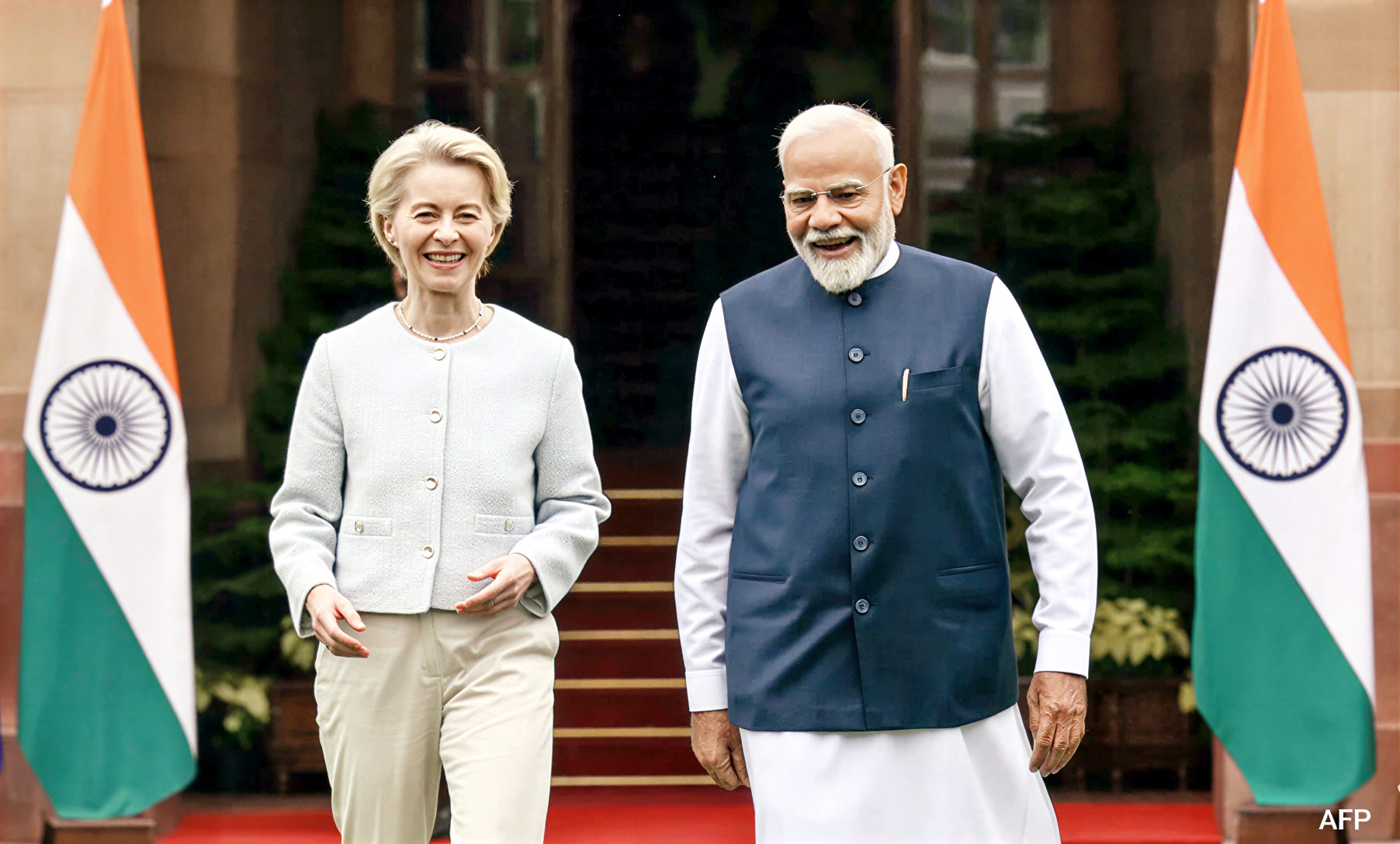
The India-EU FTA, in discussion since 2007, stalled in 2013 due to disagreements on taxes, intellectual property, environmental standards, and labor laws. Negotiations resumed in 2022 but progressed slowly amid global uncertainties. Now, with the deal expected to conclude on January 27, 2026, EU Commission President Ursula von der Leyen has dubbed it the “Mother of All Deals,” highlighting its significance. Covering a market of over two billion people, it promises simplified trade rules and positions the India-EU partnership as a new global economic powerhouse.

Economic and Industrial Impacts for India
For India, the FTA provides a stable, long-term trade partnership, particularly amid recent U.S. market volatility and recession fears. Key sectors expected to benefit include textiles, ready-made garments, leather, pharmaceuticals, chemicals, and marine products. Tariff reductions will enhance the competitiveness of Indian exports in Europe, generating employment and fostering domestic growth. Simplified approval processes for pharmaceuticals will expand opportunities for Indian companies in the generics market, while high-standard European markets will drive quality improvement and technological upgrades.
Consumer Benefits and Strategic Significance
The agreement could also affect Indian consumers, making luxury European cars, wines, and spirits more affordable, while domestic industries face increased competition. Diplomatically, inviting EU representatives as chief guests during India’s 77th Republic Day sends a clear signal: India prioritizes dialogue, consensus, and multilateral cooperation. While Trump’s unilateral policies rely on pressure and threats, India-EU engagement emphasizes partnership, rules-based collaboration, and stability.
A Glimpse of a New World Order
Analyzing these developments, it is evident that Trump-era policies, sharp European responses, and the India-EU “Mother of All Deals” collectively signal the contours of a new global order. A contest between coercive politics and cooperative economics is emerging. The India-EU agreement represents more than trade—it lays the foundation for an alternative global future where rules, partnerships, and balance will be paramount.