Budapest | Hungary is heading toward a pivotal general election that could redefine its domestic politics and significantly impact its relationship with the European Union. As voters prepare to cast their ballots, analysts say the outcome may influence not only Hungary’s policy direction but also broader political dynamics across Europe.
Growing Strains with the EU
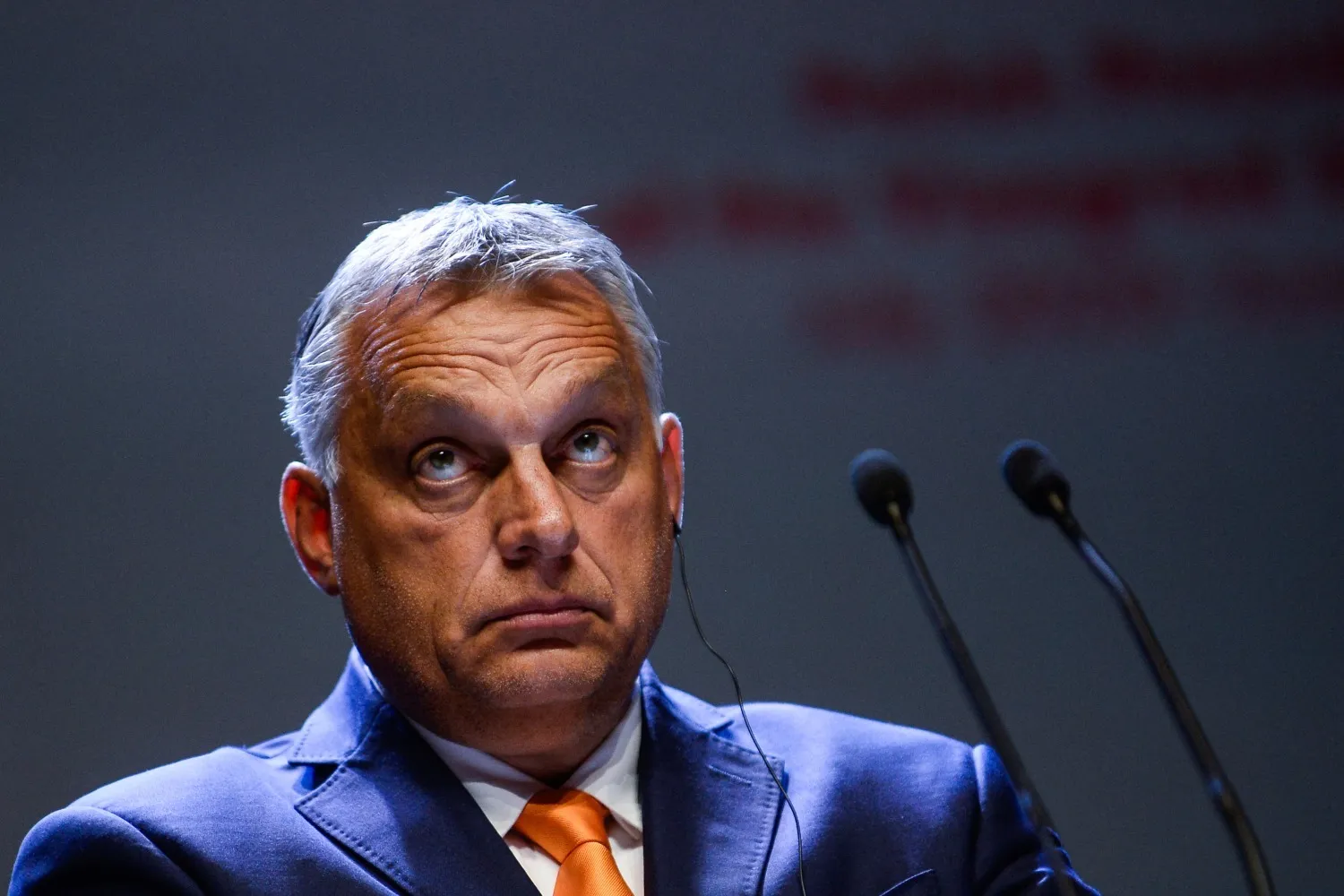
Since returning to power in 2010, Prime Minister Viktor Orbán has frequently clashed with EU institutions over governance standards, foreign policy, and democratic norms. His government’s ties with Russia, especially amid the ongoing Ukraine conflict, have drawn criticism from several European leaders.
Tensions have intensified in recent months, with reports of controversial diplomatic communications adding to concerns within Brussels. EU officials have repeatedly urged member states to align with collective policies, particularly on sanctions against Russia and financial aid to Ukraine—areas where Hungary has often exercised its veto power.
Tight Race as Opposition Gains Momentum
The election contest has tightened, with opposition leader Péter Magyar and his TISZA party gaining ground in opinion polls. A victory for Magyar could signal a shift toward a more cooperative relationship with the EU.
Such a change may also unlock billions in EU funds currently withheld over rule-of-law concerns. However, experts caution that even a new government may maintain independent positions on sensitive issues like migration and relations with Ukraine.
What Another Orbán Term Could Mean
If Orbán secures a fifth consecutive term, it would likely reinforce his current political trajectory. Analysts expect continued friction between Budapest and Brussels, with Hungary potentially maintaining its assertive use of veto powers in key EU decisions.
At the same time, some observers believe there remains room for pragmatic engagement. Hungary continues to rely on EU funding, while the bloc depends on member-state consensus for major policy moves.

Broader Implications Across Europe
The election’s impact could extend beyond Hungary’s borders. Orbán has emerged as a prominent figure among nationalist and sovereigntist political movements worldwide. A victory could strengthen such networks, while a defeat might weaken their influence within Europe.
Hungary has often served as a model for leaders advocating alternative governance approaches, making this election a closely watched event in global political circles.
Domestic Stakes and Future Direction
Beyond foreign policy, the vote carries major implications for Hungary’s internal governance. Critics argue that another Orbán term could deepen centralization of power, while supporters credit his leadership with stability and national assertiveness.
Magyar, meanwhile, has promised reforms aimed at improving transparency and restoring institutional balance. The extent of these changes will depend on whether the opposition can secure a strong parliamentary mandate.
A Defining Moment
As Hungary approaches election day, the stakes remain high. The result will determine not just the country’s leadership, but also its future role within the European Union and its stance on key international issues.
Whether voters choose continuity or change, the outcome is expected to resonate across Europe, shaping political alignments and policy debates in the months ahead.