
Mumbai: 2025 marked a watershed moment for the global fashion industry. Far beyond the predictable cycles of seasonal trends, this was a year defined by systemic shifts—an intersection of creative audacity, technological reinvention, and an uncompromising commitment to sustainability. As economic uncertainties lingered, consumer values shifted decisively toward ethics, transparency, and personalization, prompting brands to innovate not only in design but in production, materials, and experience.
The year’s fashion narrative was not just about what people wore but how clothes were conceived, manufactured, and circulated. Sustainability moved decisively from promise to practice, AI transformed creative workflows, runways erupted with vibrant expressions, and inclusivity and adaptability became non-negotiable standards. For designers, consumers, and businesses alike, 2025 crystallized the idea that fashion could be simultaneously beautiful, responsible, and technologically empowered.
Sustainability Breakthroughs: From Buzzword to Business Imperative
Sustainability was no longer optional—it was central to brand credibility. Driven by mounting regulatory pressure, heightened consumer awareness, and global calls to reduce carbon footprints, 2025 saw bio-based and recycled materials take center stage. Mycelium leather, Piñatex (pineapple fiber), apple leather, and lab-grown cotton shifted from niche experimentation to commercial viability, offering vegan alternatives without compromising quality. Enzymatically recycled nylon and polyester scaled through significant offtake agreements, demonstrating that circular supply chains were no longer conceptual—they were operational.
A notable highlight was Lululemon’s decade-long collaboration with Samsara Eco, securing a steady pipeline of innovative feedstocks. Similarly, brands like H&M and Patagonia expanded partnerships with certified recycled-material suppliers, while blockchain-enabled traceability provided consumers with verifiable claims—from farm to finished garment.
Waterless dyeing technologies, such as DyeCoo’s CO2-based process, dramatically reduced environmental impact, while zero-waste pattern cutting and textile-to-textile recycling gained traction. Systemiq’s European analysis revealed that regenerative agricultural practices could restore soils and sequester carbon at scale, ensuring fibers like organic cotton and biodegradable fabrics became staples rather than premium exceptions. Meanwhile, the secondhand market boomed to $210 billion, underscoring how resale platforms and take-back programs could extend product lifecycles while aligning with circular economy principles.
Even amid these breakthroughs, challenges persisted. Several alt-leather startups shuttered due to scaling difficulties, and some premium eco-materials struggled to gain mainstream pricing acceptance. Yet, the overall trajectory pointed to a sustainable fashion ecosystem moving from aspirational rhetoric to structured, measurable impact.
AI and Technology: Redefining Creativity, Efficiency, and Experience
If sustainability reshaped what fashion was made of, AI and technology redefined how it was made. Generative AI tools became indispensable creative partners, assisting designers in predicting trends through social media sentiment analysis and rapidly producing prototypes. Norma Kamali’s 2025 collection exemplified AI’s role as a co-creator, using the technology to iterate silhouettes and experiment with proportions at unprecedented speed.
Consumer-facing innovations also flourished. Virtual try-ons—powered by diverse 3D models from platforms like Google—reduced returns by 20-30%, boosting both efficiency and sustainability. AI-driven styling platforms like Alta and Phia curated personalized outfits based on users’ existing wardrobes, blending convenience with eco-consciousness. Wearable technologies integrated sensors to track performance and adapt fabrics to body movement, merging fashion with function in everyday life.
On-demand production via 3D printing minimized waste and aligned seamlessly with sustainability goals, while blockchain enhanced transparency across supply chains. AI-enabled forecasting optimized inventory and demand planning, reducing overproduction in fast fashion and increasing responsiveness to consumer preferences.
Yet, the technological revolution was not without debate. Ethical considerations regarding AI’s role in design and production, coupled with concerns over job displacement, sparked ongoing conversations across the industry. Still, the consensus was clear: AI was no longer auxiliary—it was an integral part of the creative, operational, and experiential landscape.
Runways 2025: A Return to Bold Expression
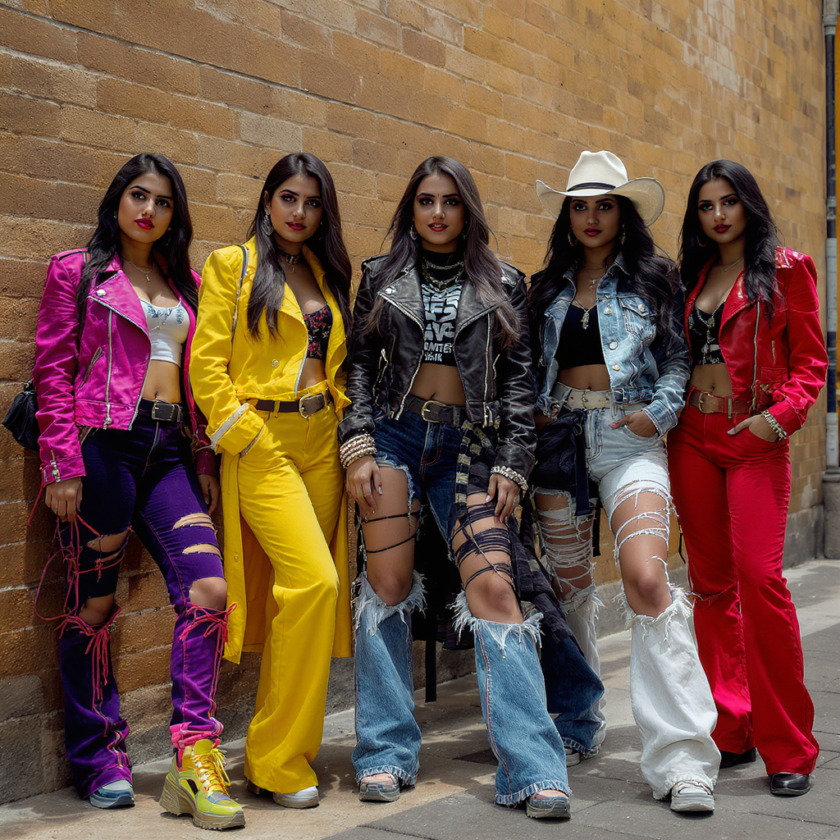
Minimalism took a backseat as 2025 runways embraced exuberance and theatricality. Bold, saturated colors—electric blues, saffron yellows, fiery reds—dominated collections, often mixed in daring combinations that defied convention. Textures became a playground: suede bags, sequined dresses, knits, and plush fabrics elevated everyday garments into statement pieces.
Mermaid-core emerged as a defining trend, fusing glamour with sportiness through fishtail skirts and scuba-inspired ensembles. Polka dots persisted with playful twists, while accessories exploded in scale and creativity. Fuzzy charms went viral in a Labubu-fueled frenzy, oversized pearls adorned necklines and wrists, and silk scarves were repurposed as belts or sarongs. Luxury streetwear blurred the line between casual and couture, with designer hoodies, logo sneakers, and tailored joggers achieving mainstream acceptance.

On the red carpet, sheer fabrics, neo-power suits, and aquatic-inspired pastels showcased a willingness to experiment while maintaining elegance. Power suiting experienced an ’80s revival, reimagined with modern cuts and textures, offering confidence and versatility for the contemporary professional. Across genres, the message was clear: fashion in 2025 was about unapologetic self-expression.
Inclusivity and Adaptive Fashion: A Broader Lens
Inclusivity gained tangible traction. Adaptive fashion, leveraging AI customization and smart textiles, offered functionality without sacrificing aesthetics. Clothing designed for diverse body types, varying mobility needs, and gender-neutral preferences appeared on mainstream runways and retail shelves alike.
Vegan fashion extended beyond accessories into fully realized collections, proving that ethical practices could achieve aesthetic triumphs. Brands increasingly emphasized artisan craftsmanship and fair labor, responding to consumer demand for living wages and supply chain accountability. Representation mattered—from models on the runway to advertising campaigns—showing real bodies, diverse backgrounds, and multiple identities.
The convergence of inclusivity and technology created garments that were not just wearable but intelligently responsive. Fabrics adjusted to temperature, movement, and even wearer preferences, while AI-driven sizing reduced fit errors and enhanced consumer confidence. Fashion was evolving from clothing as a static commodity to clothing as a personalized, adaptive experience.
Economic and Consumer Shifts: Ethics Meets Affordability
Amid economic caution, affordability aligned with ethics. Rental platforms, upcycling services, and direct-to-consumer (DTC) models flourished, offering accessible ways for consumers to participate in sustainable fashion. Video commerce and social engagement platforms amplified these innovations, connecting challenger brands directly with their audience while bypassing traditional retail intermediaries.
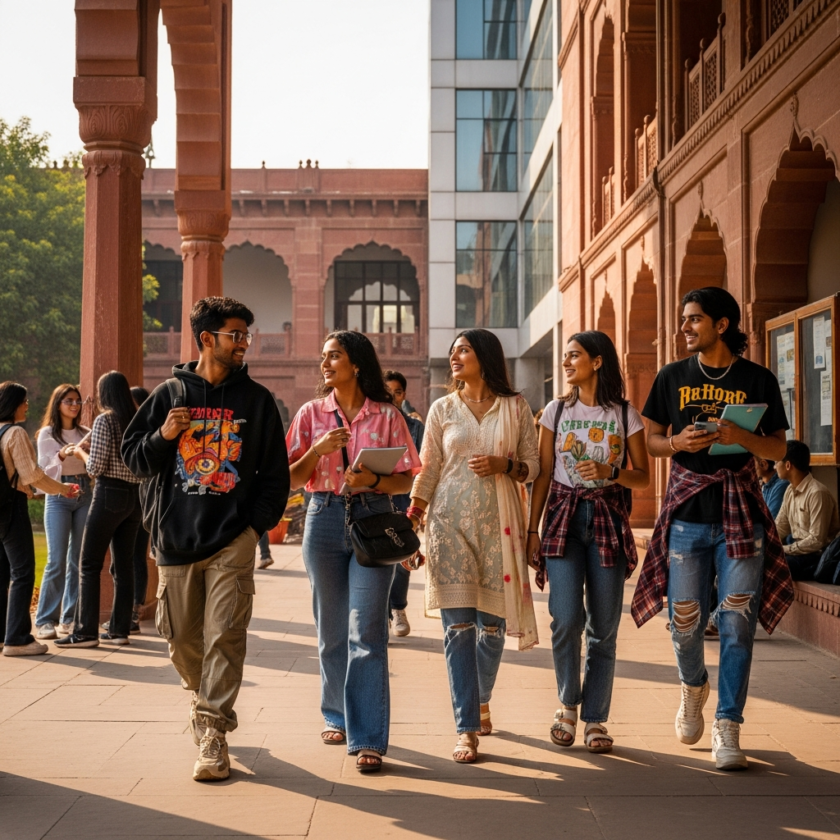
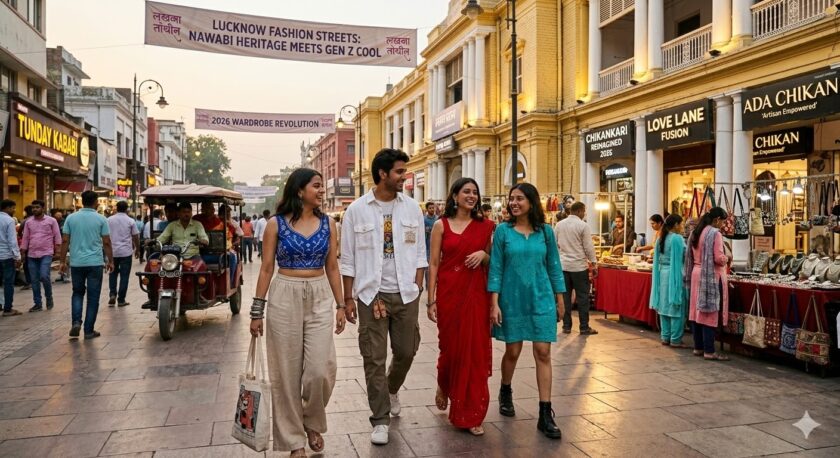
Gen Z emerged as a decisive force, demanding transparency and accountability. Their influence nudged fast fashion giants toward greener practices, though not without controversy. Consumers increasingly weighed environmental impact alongside price and style, shifting the competitive landscape in favor of brands willing to embed ethics into the business model.
Challenges and Future Outlook
Despite numerous advances, 2025 was not without setbacks. Several alt-material startups failed due to scaling issues or high production costs, and premium eco-fashion occasionally faced resistance from consumers unwilling to pay higher prices. Ethical dilemmas around AI usage and data privacy persisted, and circular economy adoption remained uneven across regions.
Yet, the gamechangers of 2025—sustainable scaling, AI integration, bold creative expression, and inclusive design—laid the foundation for a more resilient, tech-savvy, and responsible industry. Regulatory frameworks, consumer awareness, and brand commitments signaled that these were not fleeting trends but structural shifts destined to endure.
Fashion’s Bold and Responsible Future
In retrospect, 2025 was less about trends and more about transformation. The industry demonstrated that profitability and planetary care need not be mutually exclusive. AI amplified creativity and efficiency, bioengineered and recycled materials made ethical choices stylish, and runways celebrated self-expression in ways that reflected contemporary values. Inclusivity, adaptability, and transparency became integral to brand credibility, while circular and regenerative models redefined success metrics.
Fashion in 2025 proved that systemic change was possible when innovation, responsibility, and artistry converge. As the sector moves forward, the lessons of this pivotal year will resonate: technology can enhance creativity, sustainability can drive profitability, and inclusivity can redefine beauty. The industry emerged more vibrant, adaptive, and conscientious, ready to face the challenges of the next decade with confidence and imagination.
In short, 2025 was not just a year of fashion—it was a declaration that style, sustainability, and technology could coexist, heralding a future where innovation and ethics walk hand in hand down the runway.