New Delhi: Rising geopolitical tensions around the strategically vital Strait of Hormuz have sparked serious concerns over global energy security, with experts warning that any prolonged disruption could severely impact India’s economic growth and stability.
The narrow 40-kilometer-wide waterway handles nearly one-fifth of the world’s oil shipments, making it one of the most critical energy corridors globally. Recent escalations between the United States and Iran have heightened fears of a potential blockade, triggering alarm across energy-dependent economies like India.
Escalating Tensions Raise Global Stakes
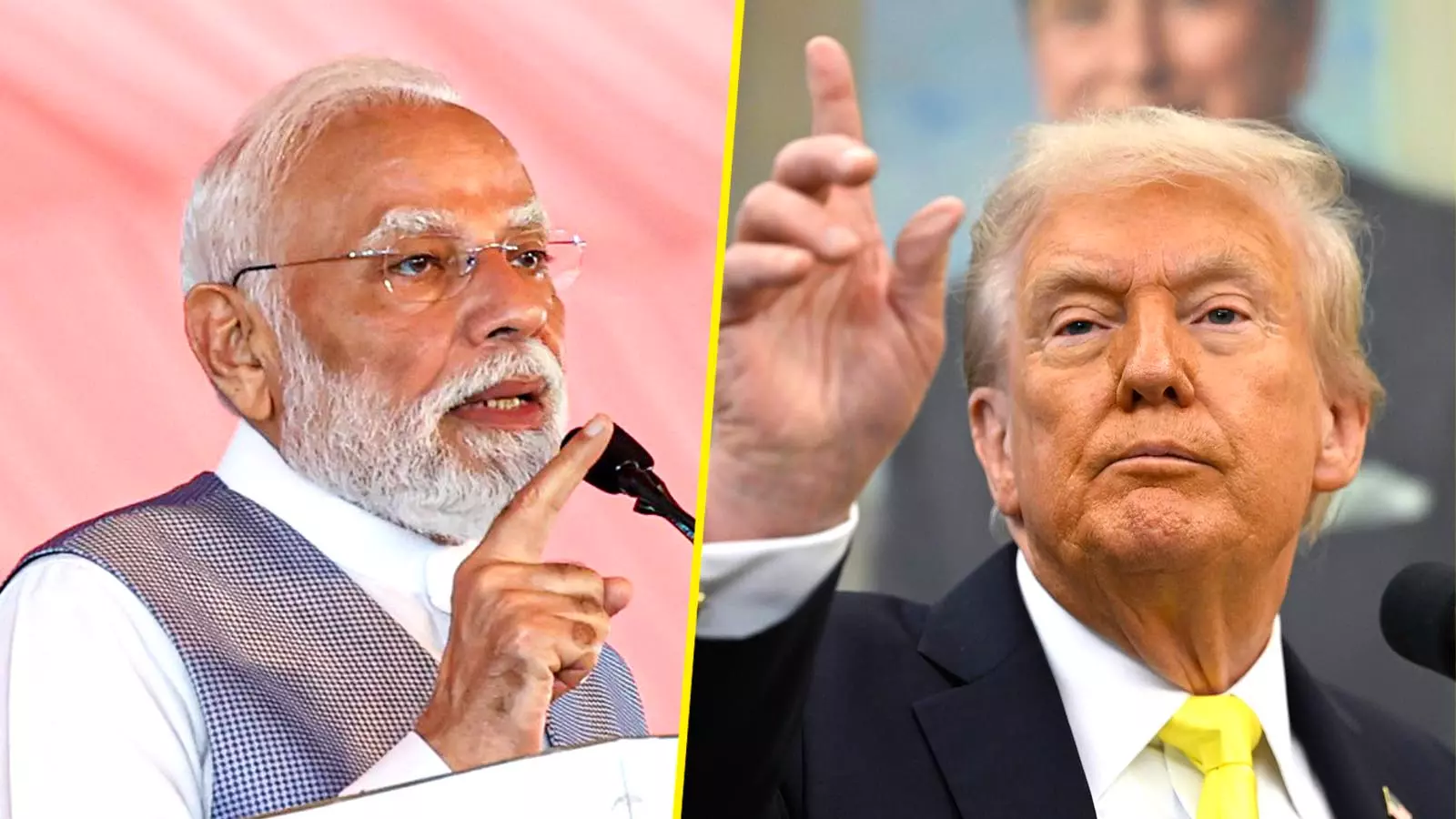
According to reports, U.S. President Donald Trump issued a 48-hour ultimatum to Iran, warning of severe consequences if maritime access through Hormuz is disrupted. Tehran’s strong response has further intensified concerns, with analysts suggesting that the region could once again witness a situation similar to the 1980s “Tanker War.”
Iran’s strategic advantage lies in its geographical control over the strait, enabling it to potentially disrupt shipping through missiles, naval mines, and proxy networks.
India’s Energy Vulnerability
India, which imports nearly 85–90% of its crude oil requirements, is particularly exposed to any disruption in Hormuz. Around 40% of its oil imports pass through this route. A prolonged closure could trigger a full-scale energy crisis in the country.
Experts warn that crude oil prices—already hovering above $110 per barrel—could surge to $130–150 if the crisis escalates. This would directly impact fuel prices, transportation costs, fertilizers, and overall inflation, potentially pushing it to 7–9%.
The ripple effects could include a weakening rupee, rising current account deficit, and increased pressure on foreign exchange reserves, with the most severe impact felt by farmers, transporters, small businesses, and the middle class.
Beyond Oil: LNG and Supply Chain Risks
The crisis extends beyond crude oil. Nearly 25% of global liquefied natural gas (LNG) supplies also pass through Hormuz. For India, this could mean rising cooking gas prices and higher electricity generation costs, affecting both households and industries.

Although India maintains strategic petroleum reserves, these provide only short-term relief. Current reserves can cover a limited duration compared to developed nations that maintain buffers for up to 180 days.
Limited Alternatives, Long-Term Challenges
India has diversified its oil imports in recent years, increasing purchases from Russia and exploring supplies from Africa and the Americas. However, these alternatives involve higher transportation costs, longer supply routes, and logistical complexities.
Key infrastructure projects like the International North-South Transport Corridor and other regional connectivity initiatives are still evolving, limiting immediate relief options.
Urgent Need for Energy Transition
Experts emphasize that the solution lies not just in short-term measures but in a long-term shift in energy strategy. Expanding strategic reserves, diversifying import sources, and accelerating domestic exploration are critical steps.
More importantly, transitioning to renewable energy sources such as solar power, green hydrogen, biofuels, and electric mobility is now seen as essential for national security, not just environmental sustainability.
A Defining Moment for Policy Shift
The ongoing tensions highlight a broader shift in global conflicts—from traditional warfare to control over supply chains and energy routes. Analysts warn that continued dependence on imported fossil fuels could leave India vulnerable to recurring external shocks.
As the situation unfolds, the Hormuz crisis serves as a stark reminder that energy security will play a निर्णायक role in shaping India’s economic future.