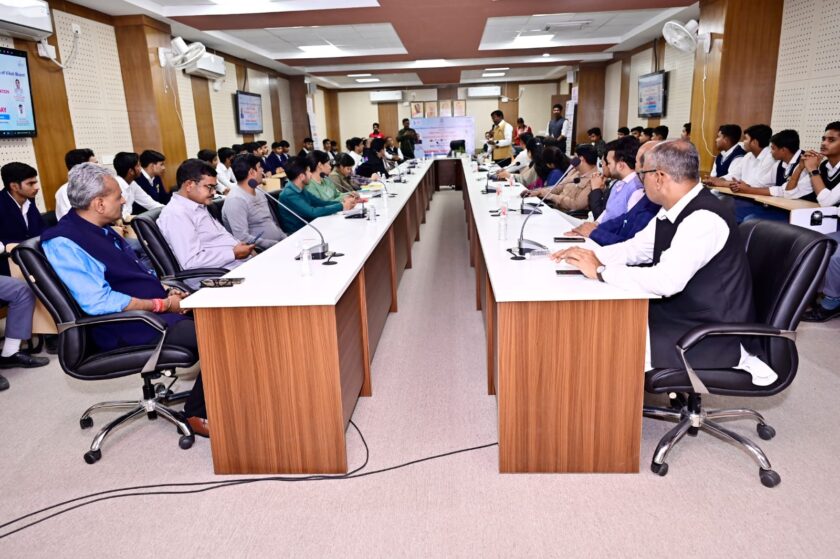
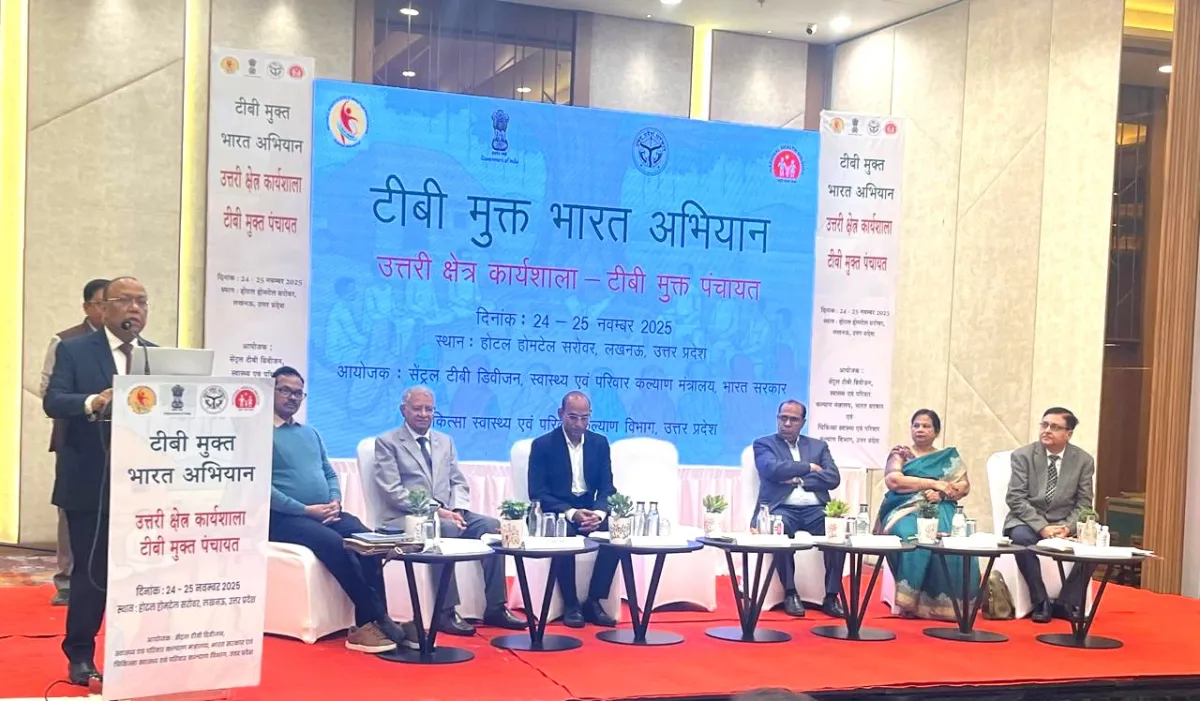
Lucknow: Senior officials from the Health and Panchayati Raj departments of seven northern states convened on Monday for a two-day regional workshop aimed at accelerating the implementation of India’s TB (tuberculosis) elimination campaign at the grassroots level.
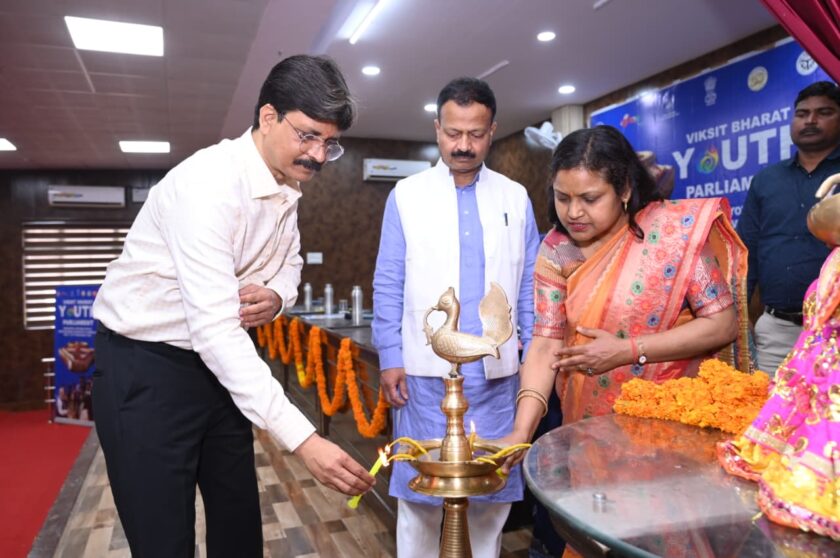
The workshop was jointly organised by the Central TB Division, Ministry of Panchayati Raj, Government of India, and the Uttar Pradesh Department of Medical Health and Family Welfare. Uttar Pradesh Additional Chief Secretary (Health) Amit Ghosh inaugurated the session, stressing that TB-free India cannot be achieved without robust coordination at the panchayat level and active participation from the community.
Ghosh emphasised the need for timely detection of every TB patient and uninterrupted treatment. He also directed officials to expand TB testing and preventive activities across the state.
The participating states included Himachal Pradesh, Haryana, Chandigarh, Punjab, Jammu & Kashmir, Ladakh, Uttarakhand and Uttar Pradesh.
Dr. Urvashi B. Singh, Deputy Director General of the Central TB Division, highlighted strategic measures such as expanding symptom identification from four to ten indicators, launching targeted plans for high-risk groups under TB detection drives, and the improved outcomes observed in treatment protocols for multi-drug-resistant TB.

Dr. Sanjay Mattu, Joint Commissioner, Central TB Division, underlined that community engagement and inter-departmental coordination are key to the campaign’s success.
Vijay Kumar, Director in the Ministry of Panchayati Raj, said that gram panchayats serve as the frontline leadership of TB elimination, effectively implementing active case finding, treatment follow-up, community-based monitoring and awareness initiatives.
Uttar Pradesh Director General of Health, Dr. Ratan Pal Singh Suman, stressed the need to spread awareness about the ten major TB symptoms—persistent cough, fever, loss of appetite, weight loss, night sweats, blood in sputum, fatigue, breathlessness, chest pain, and swelling or lumps in the neck—so that cases can be identified early at the community level.