New Delhi: India’s push for indigenous aircraft engines faces a major hurdle, as a GTRE-developed engine has been waiting in Russia for nearly three years to undergo high-altitude testing, underscoring the urgent need for domestic test infrastructure.
A senior scientist from the Gas Turbine Research Establishment (GTRE), part of DRDO, revealed that the engine is awaiting its turn at a Russian High-Altitude Engine Test Facility (HAETF). India has long depended on overseas centres such as the Central Institute of Aviation Motors (CIAM) and the Gromov Flight Research Institute (GFRI) to simulate extreme conditions above 13,000 metres—essential for validating engine performance, safety, and stability.
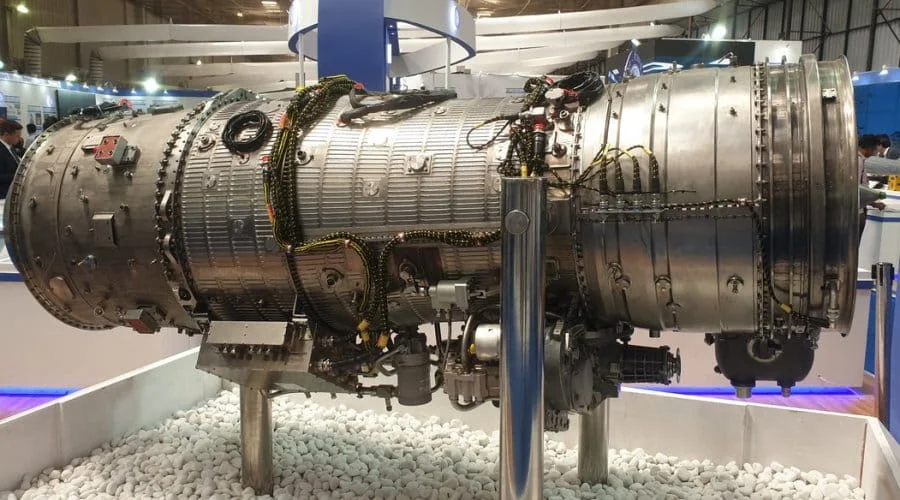
This backlog is severely affecting the Kaveri Derivative Engine (KDE), a dry, non-afterburning variant producing approximately 49 kN of thrust, intended for India’s upcoming stealth drones, including the Ghatak UCAV. Delays not only stretch project timelines but also escalate costs due to long-term storage, logistics, and shipping, while limiting rapid engineering fixes.

To address this, DRDO has issued a Request for Information (RFI) to build the National Aero Engine Test Complex (NAETC), potentially at Challakere, Karnataka, or near Nagarjuna Sagar. The facility will simulate altitudes up to 15 km, speeds exceeding Mach 2, and feature dedicated rigs for compressors, turbines, and combustors, enabling full domestic evaluation and certification of India’s future high-thrust engines.
Experts warn that until NAETC is operational, relying on foreign test centres remains a strategic vulnerability, hampering India’s vision of self-reliance in aerospace and defence.