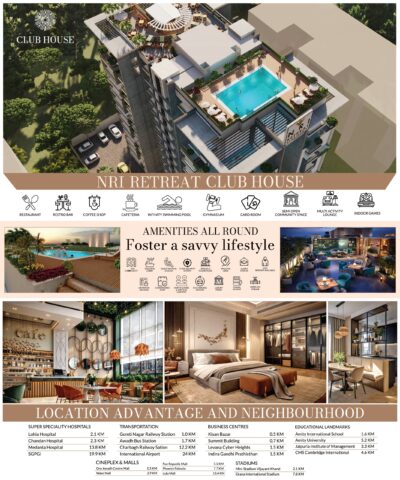
Lucknow: India is the most populous country in the world, and there is one industry that is benefiting from shrinking living spaces and skyrocketing real estate prices. Metro cities have become ambitious lifestyle playgrounds.
Home décor and furniture brands are accentuating that ambition, reaping exponential growth in return. The
internet has made furniture purchasing accessible within minutes. Quick commerce and a continuously
growing consumer base have together accelerated the industry’s expansion across the nation.
Rapidly increasing population and employment opportunities are encouraging people to adapt their spaces
along the way. Urbanization is seeding the hope of owning a home. And who doesn’t want it? The
government’s efforts to implement housing schemes are key enablers of homeownership in urban and
semi-urban areas. Additionally, extensive migration from towns to cities can be seen when assessing real estate
distribution and pricing.
India ranks fourth in the world’s furniture manufacturing sector, valued at USD 29.97 billion in 2025, and is
expected to reach USD 43.24 billion by 2030 at a 7.6% CAGR. The industry’s growth is accelerated by
continuous real estate demand and diversification. Better living, convenience, and a developing focus on
reimagining living spaces, along with a growing need for business areas and work facilities, are other growth
drivers of the furniture market in India.
The segmentation and positioning of real estate are also carving the space for the furniture industry to find its
niche. This is evident more than ever. More e-commerce brands are venturing into the business and expanding
their footprint across the nation. Many established brands are entering the business of value-added products
in home décor. International brands like IKEA and H&M have increased their operations beyond metro cities,
seeing the rise in demand for home décor and DIY products. Organised D2C brands are capturing the market
efficiently; however, the unorganised furniture market stays relevant and dominates the sector.
Increasing real estate prices are also encouraging key brands to create state-of-the-art experience centres,
allowing consumers to deep-dive into the category assortment and utilize the space to boost sales. Rising real
estate costs are reshaping how brands use space, integrating furniture into the commercial sectors like retail
and hospitality. Categorization of products is providing more opportunities for manufacturers to innovate and
enhance their curation. Marketplaces are registering more brands than ever, and many new entrants are visible
on listing platforms. Investors are acquiring more furniture startups, recognising the trends, as India does not
have dominant market leaders. The industry is growing at a fast pace, and brands are still exploring market
capacity.

Homes are built on area efficiency and functional dependency, forcing brands to focus on the functional
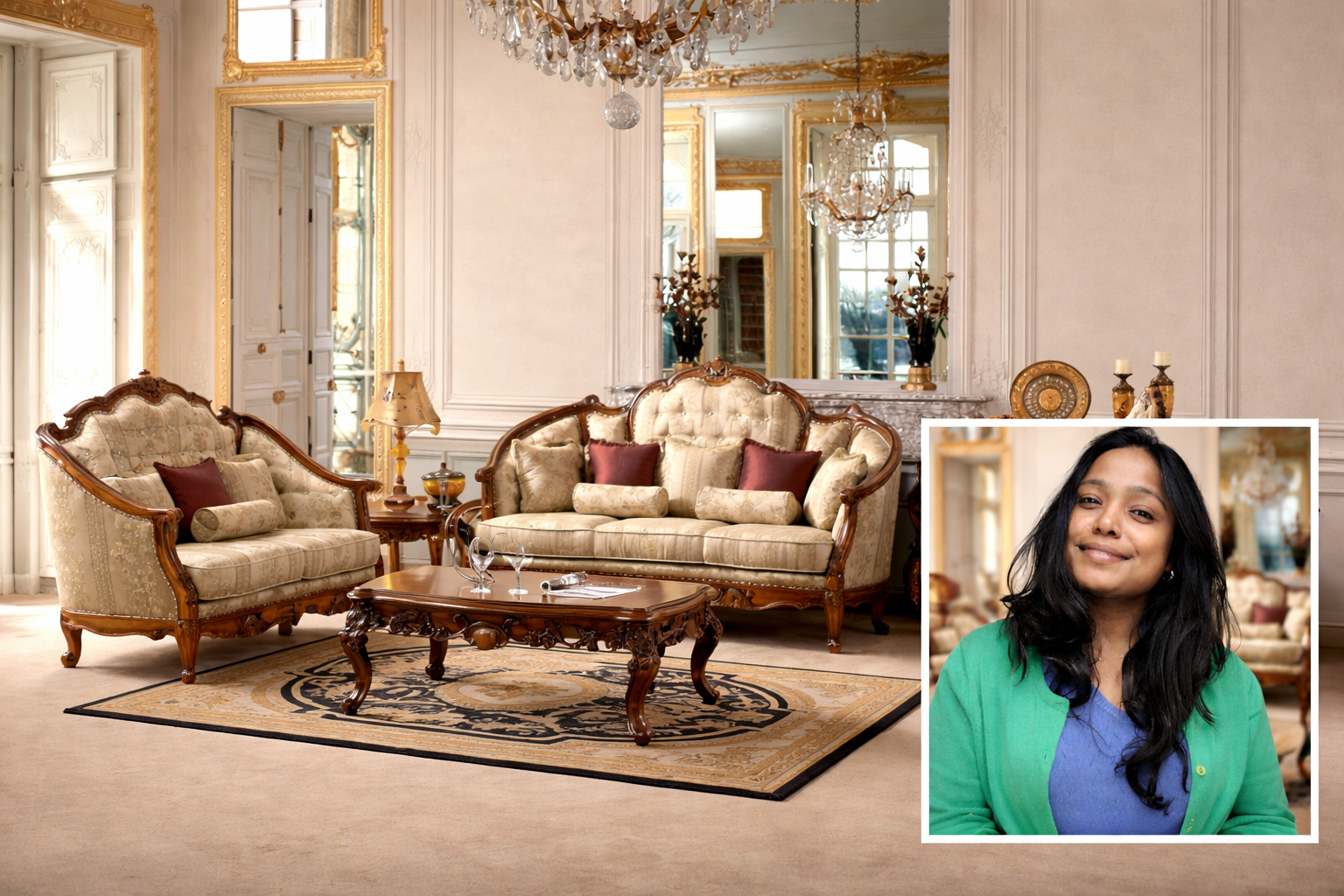
aspects of furniture. On one hand, brands are experimenting with materials; on the other hand, luxury brands
are in demand as lavish home interiors reflect tasteful style. Many real estate players are collaborating with
home décor players for interiors, providing an added advantage to the occupants. This not only helps in
property selection but also reduces the cost of customization.
In the premium segment, the consumer mindset is shifting from value addition to sustainability. Customers are
curious about the origin, ethics, and durability of the products. They do not mind paying an extra premium for
better services and design. Strengthening ergonomics has become an essential practice.
It will be interesting to witness the growth of the furniture industry, indirectly linked with real estate.
Established brands will continue to expand their retail stores and strengthen their online presence. Online
brands will focus more on service, design, and innovation. B2B will play an instrumental role in the
collaborative efforts of both industries. Craftsmanship will be rewarded in the luxury segment and will aid the
unorganised sector in preserving its craft, benefiting luxury furniture designers.
*******
Name: Usha Kumari
The writer is a brand marketing professional and communication expert.
Email id: work.ushakumari@gmail.com