New Delhi: Amid escalating geopolitical conflicts and rising global instability, concerns are being voiced over the effectiveness of international institutions and major powers, with critics pointing to the role of the United Nations and the United States in shaping the current global crisis.
In a strongly worded opinion, writer Sita Ram Sharma “Chetan” argues that institutional inefficiency, administrative inaction, and structural weaknesses in global governance systems have contributed significantly to ongoing conflicts and instability worldwide.
Questions Over Effectiveness of the United Nations
The critique highlights that the United Nations, originally established to ensure global peace and security, has struggled to remain relevant in a rapidly changing geopolitical environment. Structural limitations and the lack of meaningful reforms are cited as key reasons behind its perceived ineffectiveness.
Even António Guterres has publicly acknowledged the organisation’s limitations, pointing to systemic weaknesses and the urgent need for reform. However, the pace of change has remained slow, raising questions about the UN’s ability to address modern global challenges.
Rising Conflicts and Power Dynamics
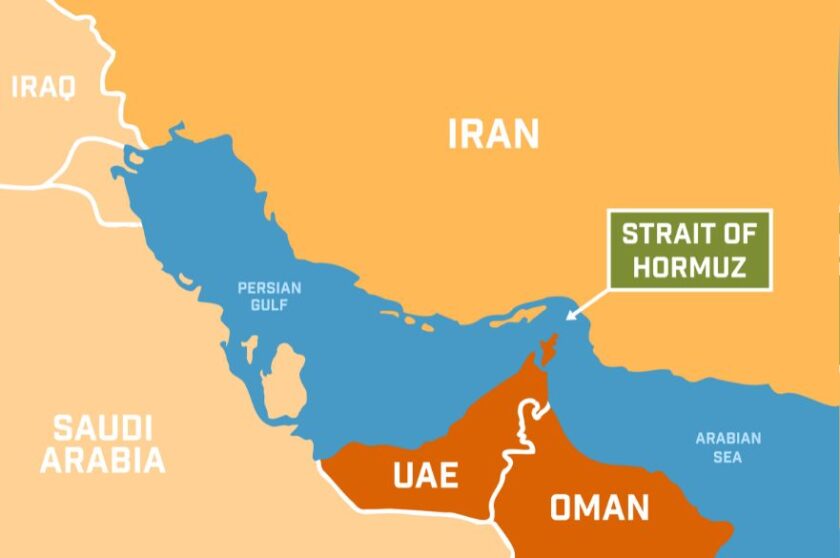
The ongoing conflicts—from the Russia-Ukraine war to tensions involving Iran, Israel, and the United States—have further exposed gaps in global conflict resolution mechanisms. Analysts argue that without enforceable international laws and effective control over military escalation, global peace efforts remain fragile.
The continued relevance of regional alliances such as NATO also raises questions about the effectiveness of a unified global security framework under the UN.

Criticism of US Global Role
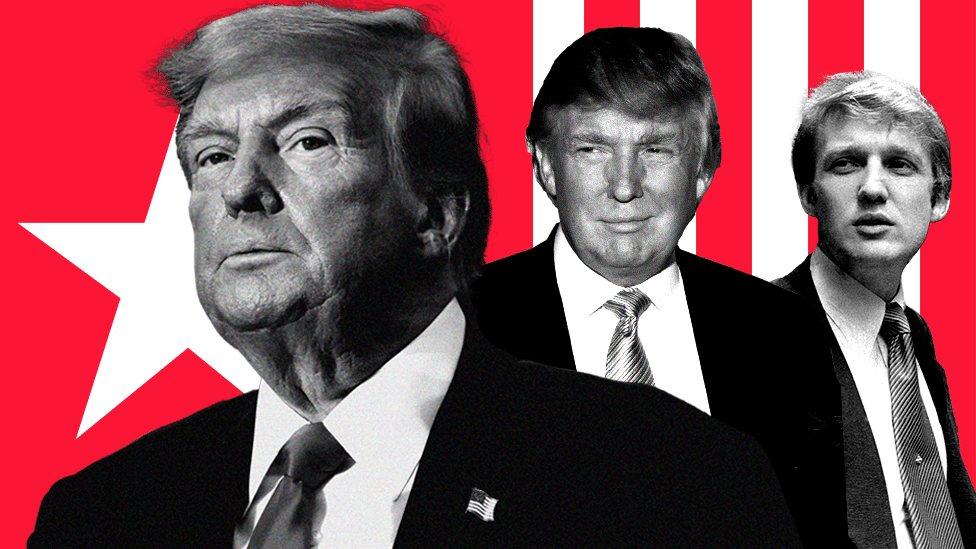
The opinion piece also scrutinises the policies of former US President Donald Trump, particularly his “America First” approach, suggesting it has contributed to global uncertainty and strained international relationships.
It argues that unilateral policies and strategic decisions by major powers risk destabilising not only their own standing but also the broader global order. The need for the United States to play a more constructive role in promoting peace and development has been emphasised.
Call for Structural Reforms
The article concludes with a call for comprehensive reforms in global governance, particularly within the United Nations, to align it with democratic principles and contemporary geopolitical realities. Strengthening international cooperation, ensuring accountability, and prioritising global peace over conflict are seen as essential steps forward.
Observers note that while criticism of global institutions is not new, the scale and frequency of current conflicts have intensified demands for change. As the world navigates an increasingly complex security landscape, the debate over the roles of the United Nations and major powers like the United States is expected to remain at the forefront of international discourse.