Tel Aviv | A newly surfaced assessment of Israel’s ongoing military campaign has revealed the staggering scale and intensity of its air operations against Iran and Lebanon over the past 40 days, highlighting a strategy designed to ensure maximum destruction of targeted sites.
According to figures attributed to the Israel Defense Forces (IDF), more than 18,000 bombs have been dropped since the conflict escalated on February 28, 2026. Over 4,000 distinct targets inside Iran were struck through a series of more than 10,800 individual attacks, marking one of the most extensive aerial campaigns in Israel’s history.
“Four-and-a-Half Bombs” Strategy
Military officials describe a deliberate approach of deploying an average of 4.5 munitions per target—an overwhelming tactic aimed at ensuring no strategic site remains operational.
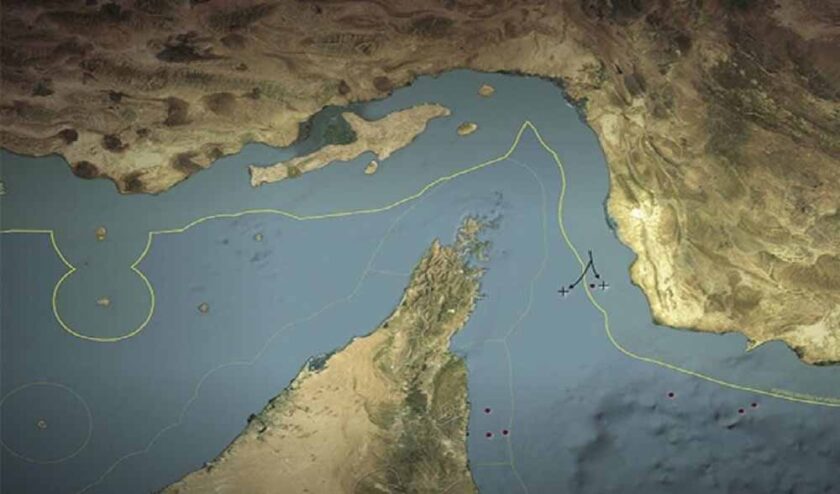
The strikes have reportedly focused on Iran’s air defence systems, ballistic missile launchers, weapons manufacturing facilities, and infrastructure linked to its nuclear programme. Key assets associated with the Islamic Revolutionary Guard Corps have also been targeted, including command centres and senior personnel.
Israeli authorities claim the campaign has significantly degraded Iran’s missile production and defence capabilities, with several petrochemical plants, steel facilities, and military-industrial units severely damaged or destroyed.
Retaliation and Civilian Impact
In response, Iran has launched missile attacks towards Israel, though many were intercepted by Israeli defence systems. However, the broader conflict has taken a heavy humanitarian toll, with reports indicating thousands of casualties in Iran, including civilians, alongside widespread infrastructure damage.
The economic impact has also been severe, with critical industries disrupted and national capabilities weakened.
Escalation in Lebanon
Alongside operations in Iran, Israel has intensified strikes against Hezbollah positions in Lebanon. On April 8 alone, more than 100 strikes were reportedly carried out within a span of just 10 minutes across Beirut, southern Lebanon, and the Bekaa Valley.
Lebanese authorities say that single day saw between 250 and 350 fatalities, with over 1,100 people injured—one of the deadliest episodes in the country in recent years. Overall, the death toll in Lebanon has crossed 1,000 since the campaign began.

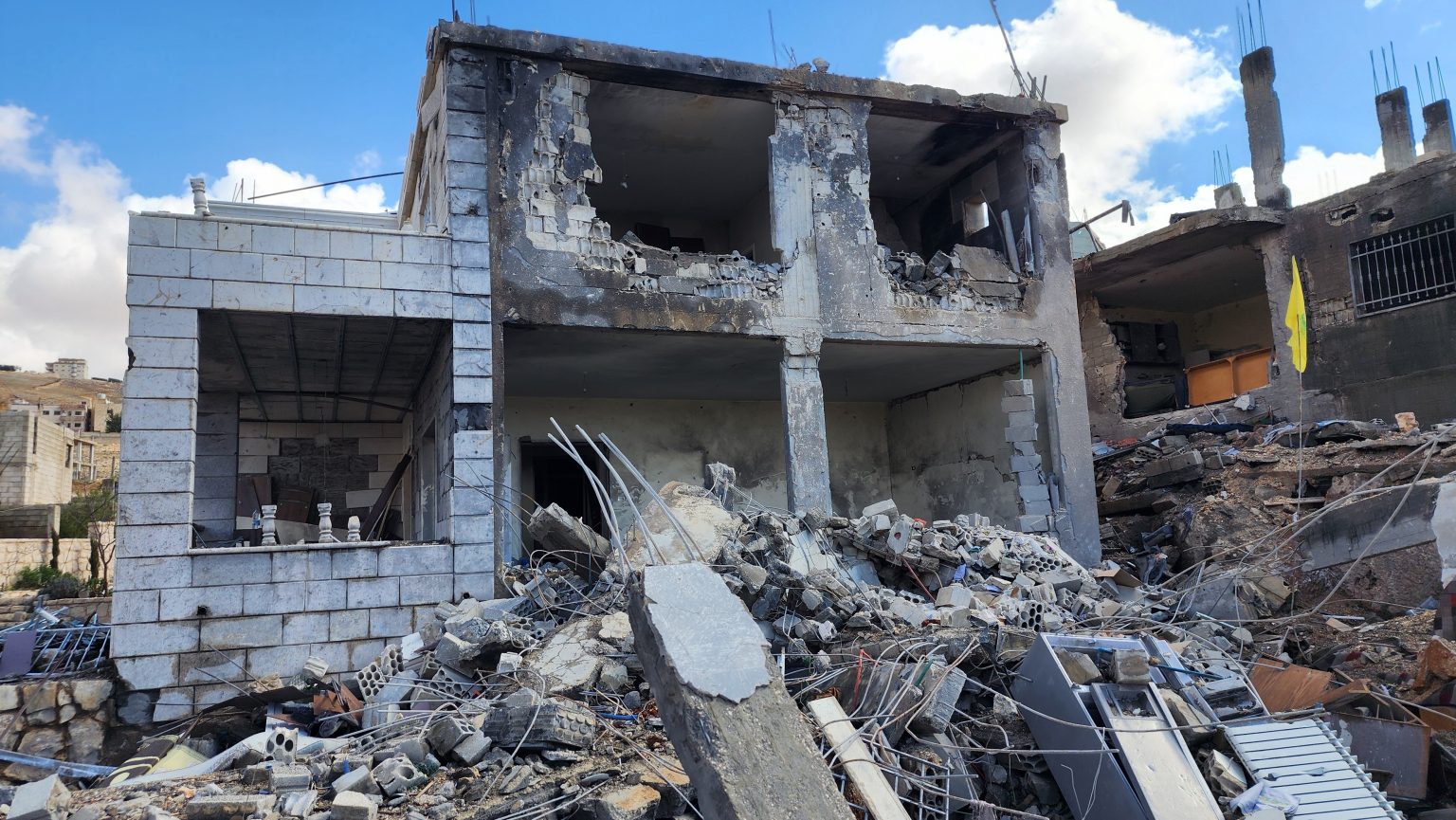
Israeli forces have targeted Hezbollah’s command centres, weapons depots, bridges, and supply routes, significantly disrupting logistics and humanitarian access in southern Lebanon. The destruction of key infrastructure has left large areas cut off, complicating relief efforts.
Strategic Objectives and Global Concerns
The broader campaign—reportedly conducted across more than 800 waves of attacks—appears aimed at weakening both Iran’s strategic military capabilities and its regional proxy networks.
Analysts suggest such sustained and heavy bombardment is rare and could have long-term consequences for regional stability. The involvement of the United States alongside Israel in early phases of the campaign further underscores the geopolitical stakes.
Fragile Ceasefire, Continuing Strikes
While a temporary two-week ceasefire between the US and Iran was reported in April, Israeli strikes in Lebanon have continued, with officials maintaining that operations are necessary for national security due to the ongoing threat posed by Hezbollah.
Meanwhile, Iran and Lebanon have condemned the attacks as acts of aggression, and the Lebanese government has declared national mourning while appealing for international assistance.
Uncertain Road Ahead
The conflict has once again exposed the deep-rooted tensions in the Middle East. While Israel has demonstrated overwhelming air power, the humanitarian cost continues to mount, raising urgent questions about the path to de-escalation.
With ceasefire efforts ongoing but fragile, the prospect of lasting peace remains uncertain as the region braces for further developments.