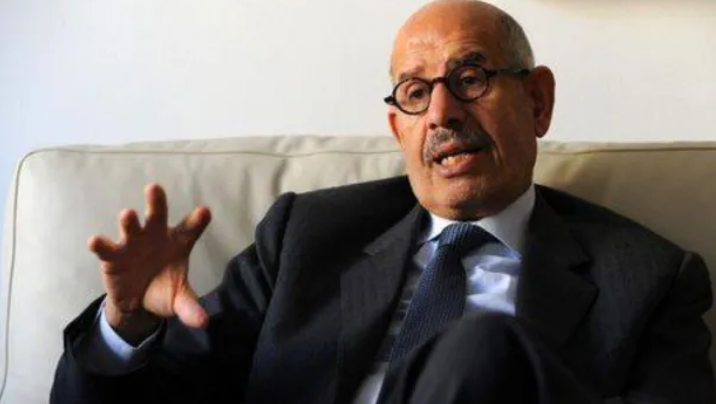
Tel Aviv: Amid rising geopolitical tensions in the Middle East, former head of the International Atomic Energy Agency, Mohamed ElBaradei, has called on Gulf nations to take urgent diplomatic steps to prevent further escalation in the region.
ElBaradei’s appeal comes in response to recent remarks by former U.S. President Donald Trump, who reportedly issued a stern warning to Iran regarding its nuclear stance and regional actions. Expressing concern over the potential consequences, ElBaradei urged Gulf governments to use their influence to avoid what he described as a dangerous slide toward conflict.
In a series of posts on social media platform X, ElBaradei appealed to regional leaders to “act decisively” before the situation spirals further. He also reached out to global stakeholders, tagging institutions such as the United Nations, the European Union, and leaders including Emmanuel Macron, while also drawing attention to the roles of China and Russia in maintaining regional stability.
Call for Global Intervention
Highlighting the gravity of the situation, ElBaradei referenced Trump’s ultimatum to Iran, which warned of severe consequences if Tehran failed to reach a new agreement within a limited timeframe. He questioned whether the international community could intervene effectively to halt what he termed “escalating madness.”
Who is Mohamed ElBaradei?

The 83-year-old diplomat led the IAEA from 1997 to 2009 and played a pivotal role during the early stages of global scrutiny over Iran’s nuclear program. He also served as Egypt’s Vice President and remains a prominent voice in global diplomacy.
In recognition of his efforts to promote the peaceful use of nuclear energy, ElBaradei and the IAEA were jointly awarded the Nobel Peace Prize in 2005.
Rising Concerns
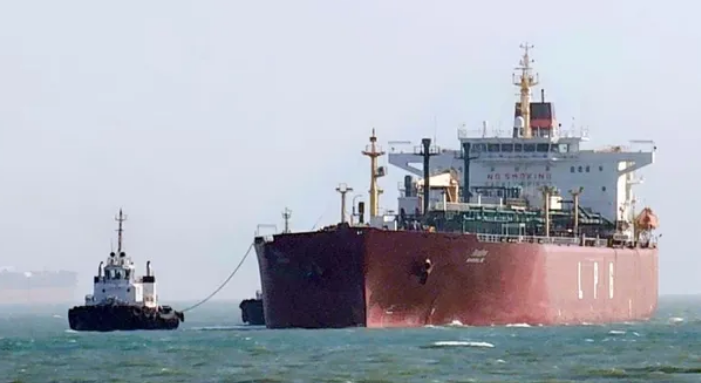
Trump, in a recent post on his platform Truth Social, reportedly warned that Iran has limited time to comply with demands, including reopening key maritime routes such as the Strait of Hormuz. He indicated that failure to act could lead to significant repercussions within 48 hours.
The developments have heightened concerns among global observers, with fears that further escalation could disrupt regional stability and impact international security and energy markets.