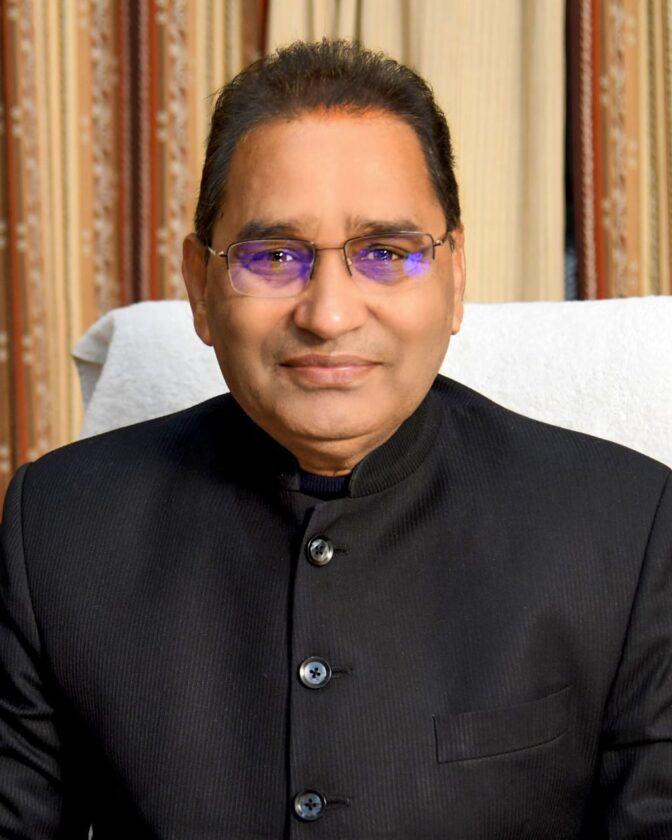

Lucknow. Experts have raised strong concerns about how modern lifestyle choices are eroding health much like “milk slipping through a sieve.” Writing on the same, Dr. Surya Kant, Head of Respiratory Medicine, King George’s Medical University (KGMU), Lucknow, drew attention to the growing health crisis caused by poor habits, environmental degradation, and neglect of preventive care.
World Health Day, first observed in 1950 following the establishment of the World Health Organization (WHO), is marked every year to spread awareness on health issues. This year’s theme, “Healthy beginnings, hopeful futures,” called for strong preventive measures to ensure sustainable wellbeing.
According to WHO, seven of the world’s ten leading causes of death are non-communicable diseases such as heart disease, stroke, diabetes, and cancer. In India alone, over 100 million suffer from hypertension, 70 million from diabetes, and 7 lakh new cancer patients emerge every year. India also accounts for one in every four tuberculosis patients globally.
Dr. Kant highlighted that 13 million people die annually worldwide due to preventable environmental causes, including air pollution, climate change, and unsafe water. He stressed that 35 of the world’s 50 most polluted cities are in India, with pollution-linked deaths exceeding 1.7 million annually.

Unhealthy diets, sedentary lifestyles, late-night habits, and excessive screen time are compounding the problem. Children and adults alike are experiencing rising stress and obesity, partly driven by fast food consumption and online food culture.
Dr. Kant emphasized the need to return to traditional Indian diets, regular exercise, yoga, and reduced dependence on screens. He advocated for clean energy use, tree plantation, reduced tobacco consumption, and community efforts toward pollution control.
“A healthy body is the foundation of a healthy mind,” Dr. Kant noted. “The progress of any nation depends on the health and happiness of its people. Only with collective lifestyle changes and environmental responsibility can we envision a healthier and prosperous future.”