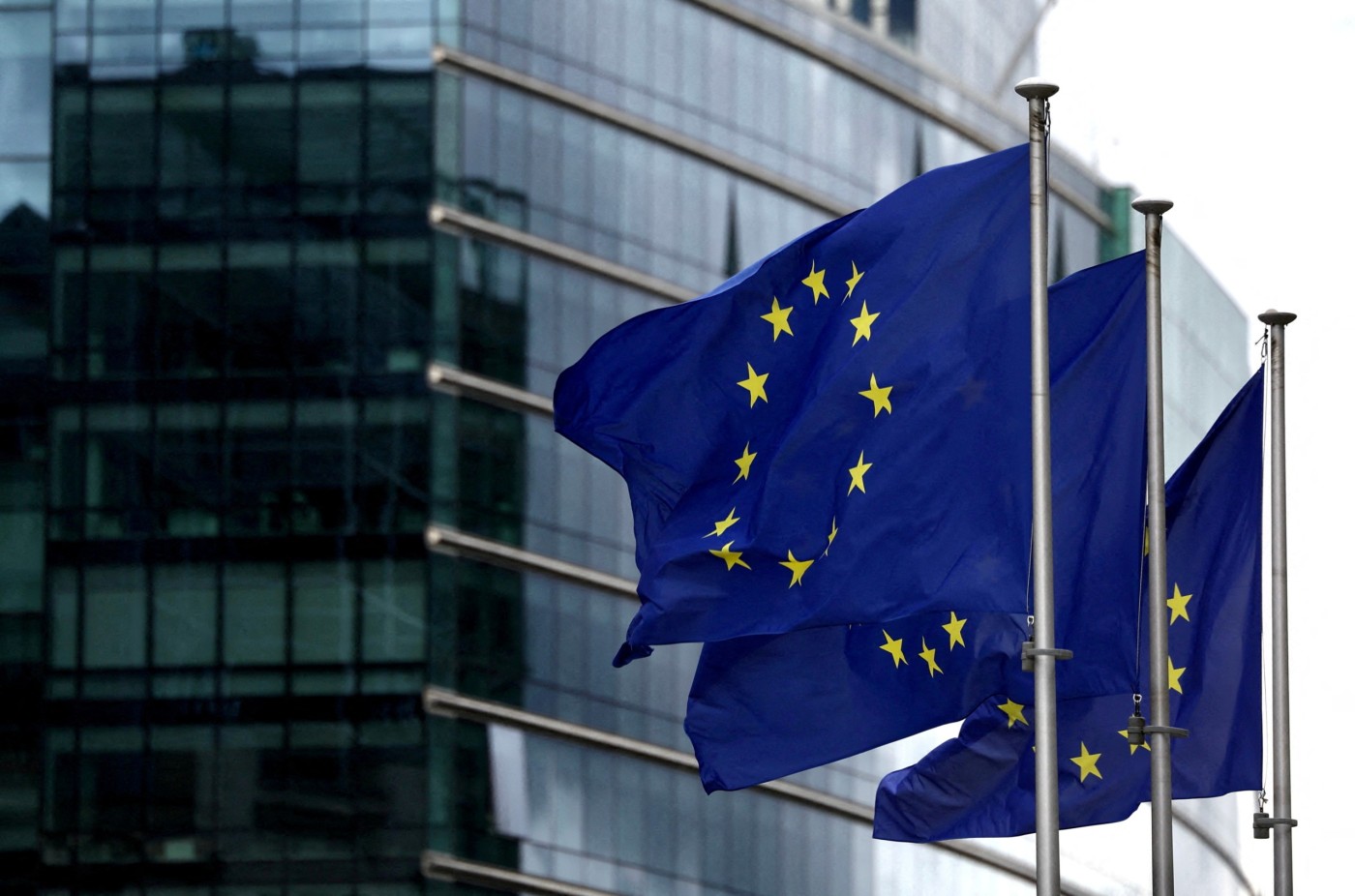
Brussels |Energy ministers from across the European Union are set to convene for a key virtual meeting on Tuesday to formulate a coordinated response to recent disruptions in global oil and gas markets, driven largely by rising tensions involving Iran.
The high-level discussions aim to assess the evolving energy landscape and identify collective measures to safeguard supply stability and protect member states from market volatility.
Focus on Collective Strategy
According to officials familiar with the agenda, the meeting will center on enhancing coordination among EU nations to address tightening oil and gas supplies. Policymakers are expected to exchange views on recent market developments and outline practical steps to ensure energy security across the bloc.
A key priority will be mitigating the risk of sudden price spikes and maintaining stable supply chains amid ongoing geopolitical uncertainty.
Gas Market Outlook Offers Some Relief
Despite current pressures, analysts suggest that Europe is better prepared than during previous crises. A recent report by ING Group indicates that natural gas prices are unlikely to surge to the extreme levels seen during the 2022 energy crisis.
Improved global supply conditions, along with expanding liquefied natural gas (LNG) infrastructure, are expected to cushion the impact of disruptions. Additional LNG export capacity in the coming years could further ease supply constraints.
Gas Prices Still Influence Electricity Costs
However, natural gas continues to play a decisive role in determining electricity prices across Europe. Under the current pricing model, electricity costs are often set by the most expensive energy source—typically gas.
As a result, even moderate increases in gas prices could translate into higher energy bills for households and industries, keeping cost pressures alive despite improved supply conditions.

Renewables Strengthen Energy Resilience
Since the 2022 crisis, the European Union has accelerated its transition toward renewable energy. Investments in solar and wind capacity have expanded significantly, reducing dependence on fossil fuels and enhancing long-term resilience.
Installed renewable capacity has grown sharply in recent years, with further expansion expected, positioning clean energy as a key pillar of Europe’s future energy strategy.
Diplomatic Signals from Washington
Amid the tensions, the United States has signaled cautious optimism about potential diplomatic progress with Iran. Recent developments, including continued movement of oil shipments through critical maritime routes, are being viewed as encouraging signs.
While negotiations remain ongoing, any breakthrough could help ease geopolitical pressures and stabilize global energy markets.
Strategic Importance of EU Meeting
The outcome of the upcoming meeting is expected to shape the EU’s immediate response to current energy challenges. By aligning national policies and strengthening cooperation, European leaders aim to navigate uncertainty while ensuring energy security.
Decisions taken at this stage could have lasting implications, influencing not only short-term market stability but also the bloc’s broader transition toward a more sustainable and resilient energy system.