New Delhi: Escalating tensions in West Asia involving Iran, Israel and the United States have triggered fresh concerns in the global energy market, raising fears of a potential surge in oil prices and a new phase of inflation for energy-dependent economies like India.
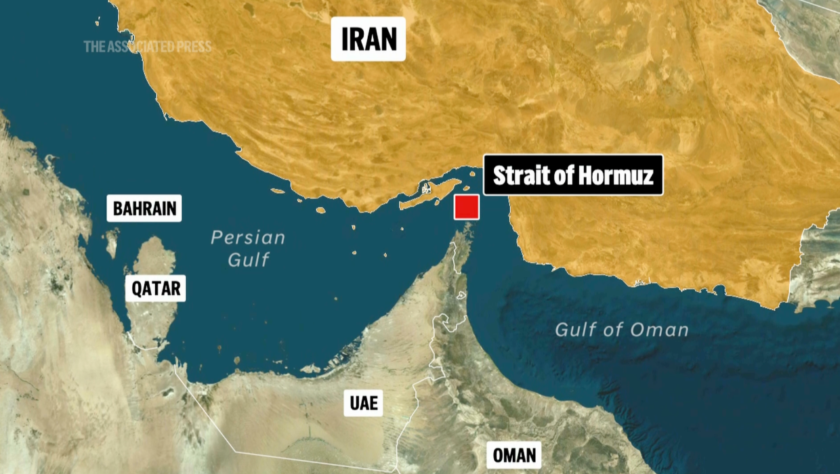
Experts warn that the biggest risk lies in the strategic Strait of Hormuz, through which nearly 20 percent of the world’s crude oil supply passes. For India, the route is particularly crucial as around 50–52 percent of its oil imports travel through this corridor. Any disruption could significantly affect fuel supply and prices in the country.
India, the world’s third-largest oil importer, currently imports nearly 85 percent of its crude oil requirements. With crude prices already rising above $80 per barrel, analysts believe prolonged instability could push prices even higher, placing pressure on inflation, government spending, and the current account deficit.
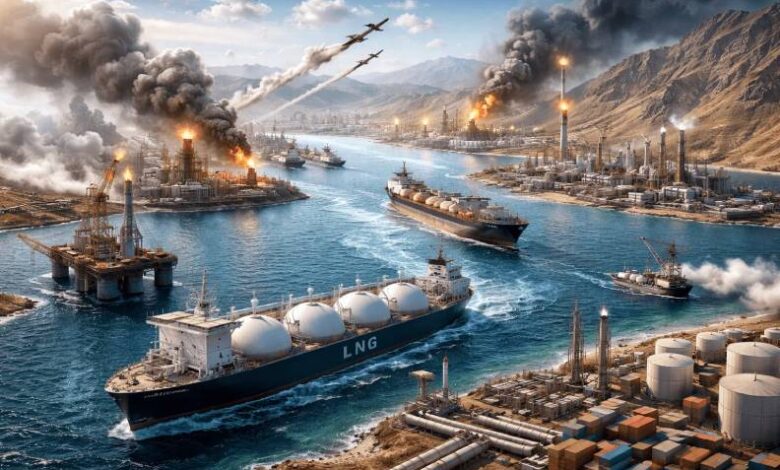
The conflict has intensified following reported military strikes on Iranian cities, including Tehran, amid the ongoing confrontation. According to reports, the funeral of Iran’s Supreme Leader Ali Khamenei scheduled in Tehran on March 4 had to be postponed due to Israeli attacks. Iran has also targeted strategic oil facilities across the Gulf region, adding to fears of disruption in energy supplies.
The crisis has also affected maritime trade routes. Nearly 37 Indian-flagged ships with more than 1,100 sailors were reported stranded in waters near the Persian Gulf and the Gulf of Oman. Some vessels were transporting crude oil and LNG to India, while others were en route to Gulf nations for petroleum cargo.
Amid the escalating crisis, Indian Prime Minister Narendra Modi has reportedly held discussions with leaders from United Arab Emirates, Saudi Arabia, Jordan, Bahrain, Oman, Kuwait and Qatar to ensure the safety of Indians stranded in the region.
Financial markets have already shown signs of stress. The benchmark BSE Sensex reportedly fell by over 1,100 points, while the Indian rupee weakened beyond 92 against the US dollar. Analysts warn that if the conflict continues, Brent crude prices could rise by 13–15 percent.

Shipping disruptions are also increasing costs. With the Strait of Hormuz becoming risky, vessels are being rerouted via the Cape of Good Hope, adding nearly two weeks to transit time and raising transport costs by up to 40 percent. This could reduce India’s exports by nearly 15 percent and push up prices of transportation, fertilizers, food items and air travel.
Rising energy costs may also affect agriculture. India imports key fertilizer inputs like phosphate and potash, and higher energy prices could increase fertilizer production costs, potentially impacting preparations for the upcoming rabi crop cycle.
Meanwhile, the international community has struggled to respond effectively. António Guterres has described the attacks as violations of international law, but divisions among permanent members of the United Nations Security Council — including the United States, Russia, China, the United Kingdom and France — have limited decisive action.
Experts say the crisis highlights the urgent need for India to accelerate energy diversification. Expanding renewable energy, electric mobility, green hydrogen initiatives and domestic oil exploration could reduce long-term vulnerability to geopolitical shocks.
Analysts emphasize that the tensions between Iran, Israel and the United States represent not only a regional conflict but a global economic risk, with far-reaching consequences for energy security, trade and inflation worldwide.