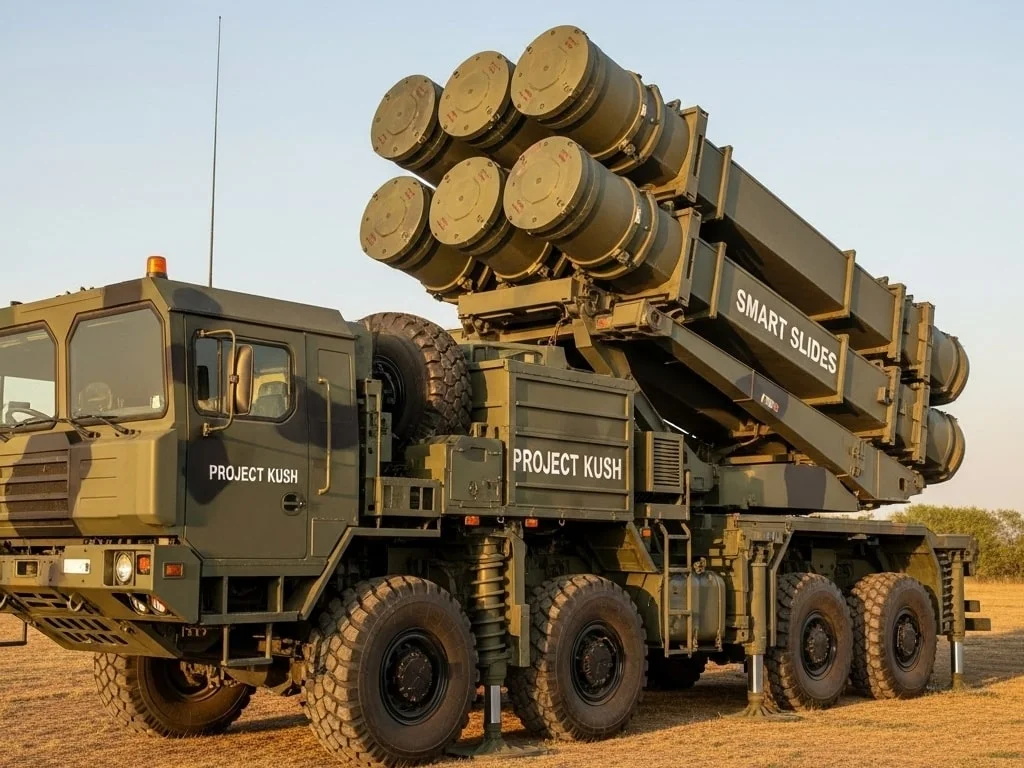
New Delhi: India has achieved a major milestone in indigenous defence capabilities with the successful completion of the first development trials for Project Kusha, the nation’s long-range air defence system.
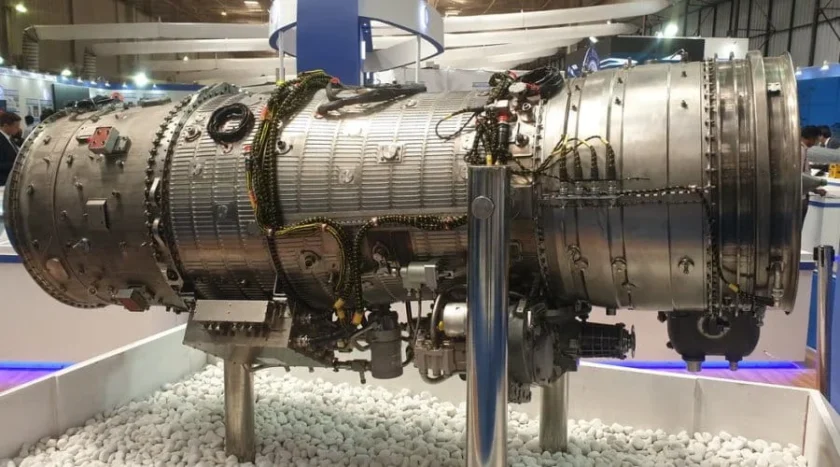
The Defence Research and Development Organisation (DRDO), in collaboration with Bharat Electronics Limited (BEL), conducted ground validations, including critical trials of the dual-pulse rocket motor. With these successful tests, the project has advanced beyond the design stage and is now preparing for integrated flight trials slated for later in 2026.
Officially designated as the Extended Range Air Defence System (ERADS), Project Kusha aims to provide India with a multi-layered shield against a range of aerial threats, including stealth aircraft, drones, and cruise missiles. The system features three interceptors:
- M1 – neutralizes tactical targets up to 150 km
- M2 – mid-tier coverage up to 250 km with advanced tracking
- M3 – outer layer strikes high-value assets up to 400 km
Each missile shares a common kill vehicle and is designed to reinforce the others, creating a highly survivable air defence network.

The programme, approved by the Cabinet Committee on Security with a budget of approximately ₹21,700 crore, aligns with India’s Mission Sudarshan Chakra, aiming for a comprehensive nationwide air and missile defence grid by 2035. Early components are expected to be operational by 2028, with full deployment targeted for 2030.
Project Kusha, alongside other homegrown systems like Akash-NG and the Ballistic Missile Defence network, will reduce dependence on foreign platforms while strengthening India’s strategic deterrence and future defence export potential.