Lucknow: At the Bharat Ratna Shri Atal Behari Vajpayee Ekana Internationl Cricket Stadium, the IPL 2026 clash between Lucknow Super Giants and Delhi Capitals unfolded like a classic T20 rollercoaster—sharp twists, sudden collapses, and a defining partnership that turned near-defeat into emphatic victory.
Chasing a modest target of 142, Delhi Capitals were reduced to 30/4 inside the powerplay, staring at a collapse that could have derailed their campaign. But what followed was a masterclass in composure and calculated aggression, as Sameer Rizvi and Tristan Stubbs stitched together a match-winning stand to seal a six-wicket win with 17 balls to spare.
LSG’s bold start undone by early setback
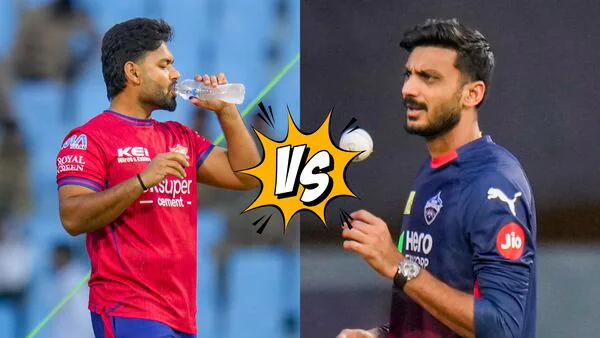
The evening began with a sense of tactical intrigue. After losing the toss, LSG skipper Rishabh Pant opted for an unconventional move, promoting himself to open the innings alongside Mitchell Marsh. The decision hinted at an aggressive approach, aimed at maximizing the powerplay and unsettling Delhi’s bowling plans.
Pant looked fluent in the early exchanges, striking a crisp boundary and showing intent. However, the promising start was cut short in dramatic fashion. A sharp piece of fielding from Mukesh Kumar resulted in a direct-hit run-out, sending Pant back for just 7.
The dismissal proved to be more than just a wicket—it disrupted LSG’s rhythm and forced a recalibration of their approach far earlier than anticipated.
Delhi bowlers tighten grip through discipline
With Pant back in the dugout, the onus shifted to Marsh and Aiden Markram to stabilize the innings. The duo attempted to rebuild, mixing caution with occasional attacking strokes. Marsh, in particular, looked assured, using his reach and power to find boundaries.
However, Delhi Capitals’ bowling unit maintained relentless discipline. Lungi Ngidi set the tone with his clever variations, extracting just enough assistance from the surface to trouble the batters. His slower deliveries proved especially effective, disrupting timing and forcing mistimed shots.
Spin further compounded LSG’s troubles. Kuldeep Yadav and Axar Patel applied sustained pressure in the middle overs, choking the run flow and forcing errors. Kuldeep’s dismissal of Marsh—caught in the deep while attempting to accelerate—marked a crucial turning point in the innings.
Middle-order collapse derails LSG
Following Marsh’s departure, LSG’s innings lost direction. Nicholas Pooran, expected to counterattack, fell to Ngidi’s change of pace. Ayush Badoni failed to make an impact, while the rest of the middle order struggled to cope with the mounting pressure.
Wickets fell at regular intervals, preventing any meaningful partnerships from developing. The inability to rotate strike or capitalize on loose deliveries meant LSG were constantly playing catch-up.
Abdul Samad’s late surge offers hope
Amid the collapse, Abdul Samad provided a much-needed spark. Known for his aggressive stroke play, Samad launched a counterattack in the death overs, striking boundaries and a towering six to push the total beyond the 140-mark.
His 36 off 25 balls injected some life into the innings, but it remained a recovery effort rather than a position of dominance. T Natarajan ensured that the late surge was contained, executing yorkers with precision and picking up crucial wickets.
Ngidi returned to finish the innings with a three-wicket haul as LSG were bowled out for 141 in 18.4 overs, a total that appeared slightly below par given modern T20 standards.
Early strikes turn chase into a thriller
Delhi Capitals’ chase got off to the worst possible start. Mohammed Shami struck with the very first ball, dismissing KL Rahul for a duck. The early breakthrough energized LSG and set the tone for a fiery powerplay spell.
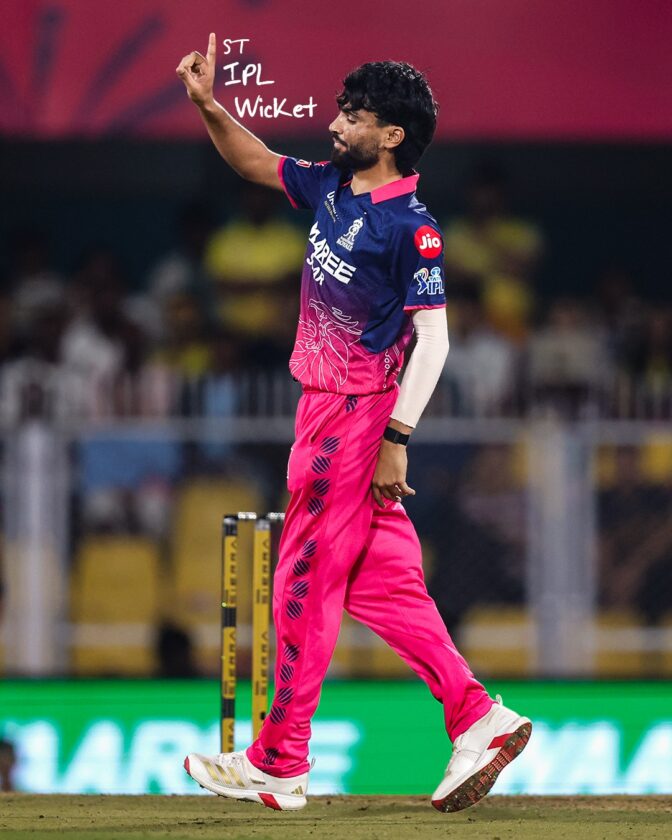
Prince Yadav emerged as the standout performer, delivering a high-intensity spell that rattled Delhi’s top order. He removed Pathum Nissanka and Axar Patel in quick succession, exploiting movement and bounce to great effect.
At the other end, Mohsin Khan maintained tight lines and lengths, even delivering a wicket maiden that compounded Delhi’s troubles.
Within the powerplay, Delhi Capitals were reduced to 30/4, with the match seemingly slipping out of their grasp.
Rizvi and Stubbs rebuild with composure
At this critical juncture, Sameer Rizvi walked in under immense pressure. His start was tentative, marked by a few edges and mistimed shots. However, he gradually found his footing, focusing on strike rotation and building partnerships rather than chasing quick runs.
At the other end, Tristan Stubbs displayed remarkable composure. He absorbed pressure, rotated strike efficiently, and punished loose deliveries when opportunities arose. The duo’s contrasting styles—Rizvi’s growing confidence and Stubbs’ calm assurance—proved to be a perfect combination.

Their partnership began quietly but steadily gained momentum. They ensured that the required run rate remained under control, preventing LSG from tightening their grip further.
Partnership shifts momentum decisively
As the innings progressed, Rizvi and Stubbs shifted gears. Boundaries began to flow more regularly, and the pressure on LSG’s bowlers increased. The pair displayed excellent game awareness, choosing the right moments to attack while minimizing risks.
The partnership crossed 50, then 80, and eventually breached the 100-run mark, effectively taking the game away from LSG. Their ability to rotate strike consistently disrupted the bowlers’ rhythm and forced fielding adjustments.
Despite their strong start with the ball, LSG struggled to break the partnership. Missed opportunities and a lack of variation in the middle overs allowed Delhi to consolidate their position.
Rizvi’s maturity defines the chase
Rizvi’s innings stood out not just for its runs but for its maturity. After a shaky start, he displayed composure and adaptability, gradually taking control of the chase. His shot selection improved as he settled, and he began to find gaps with ease.
His half-century came at a crucial juncture, anchoring the innings and ensuring that Delhi remained on course. Rizvi’s ability to handle pressure and accelerate when required highlighted his growing stature as a dependable middle-order batter.
Stubbs ensures a clinical finish
While Rizvi anchored the innings, Stubbs ensured that there were no late hiccups. His calm presence at the crease allowed Delhi to maintain control, and his timely boundaries kept the scoreboard ticking.
Stubbs’ innings was a lesson in controlled aggression—he chose his moments carefully and executed his shots with precision. His partnership with Rizvi not only stabilized the innings but also set the platform for a comfortable finish.
Delhi Capitals seal emphatic win
With the target within reach, Rizvi sealed the victory in style, smashing a six to bring up the winning runs. Delhi Capitals finished at 145/4 in 17.1 overs, completing a remarkable turnaround from their early collapse.
The six-wicket win, achieved with 17 balls remaining, underscored Delhi’s resilience and ability to perform under pressure.
Tactical lessons for both teams
For Lucknow Super Giants, the defeat highlighted several areas of concern. Despite a strong start with the ball, they failed to capitalize on early breakthroughs. The inability to break the Rizvi-Stubbs partnership proved costly.
The decision to use Shahbaz Ahmed as an Impact Player also limited their bowling options, reducing flexibility in the latter stages of the innings.
Delhi Capitals, on the other hand, showcased a balanced performance. Their bowlers laid the foundation with disciplined spells, while the middle order demonstrated composure and game awareness during the chase.
A win built on temperament
This match served as a reminder that T20 cricket is not just about explosive hitting but also about temperament and decision-making under pressure.
Delhi Capitals’ victory was defined by their ability to remain calm in the face of adversity. From a precarious 30/4 to a comfortable win, their journey encapsulated resilience, adaptability, and smart cricket.
For Lucknow Super Giants, it was a case of missed opportunities. Despite moments of brilliance, they were unable to sustain pressure and close out the game.
In the end, it was the partnership between Sameer Rizvi and Tristan Stubbs that made the difference—turning a potential defeat into a statement victory that could have significant implications for Delhi’s campaign in IPL 2026.