
New Delhi: India and the United States have initiated a cautious reset of their defence relationship, signalling efforts to stabilise strategic ties amid rising tensions in West Asia and ongoing bilateral frictions.
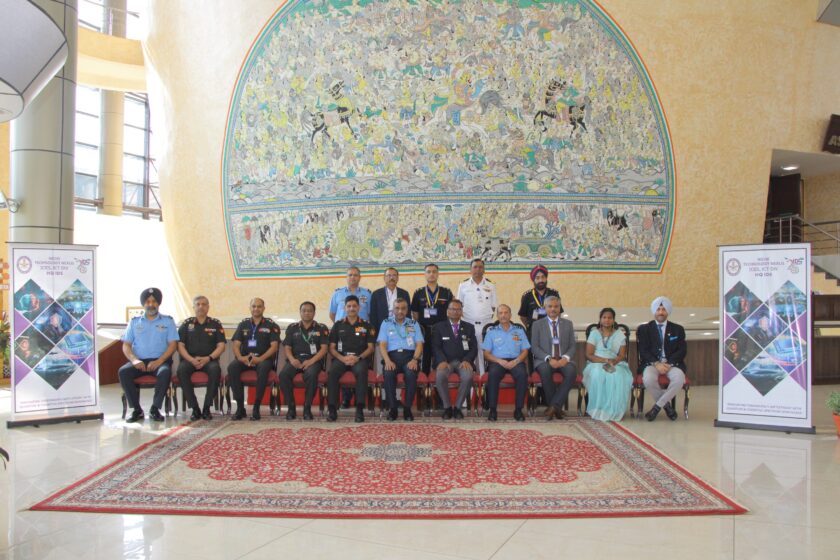
The development comes during the 18th meeting of the India–US Defence Policy Group, held in New Delhi on March 25. The talks were co-chaired by India’s Defence Secretary Rajesh Kumar Singh and US Under Secretary of Defense for Policy Elbridge Colby. Officials described the meeting as constructive, focusing on reviewing existing cooperation and identifying new avenues for co-development and co-production of military platforms.
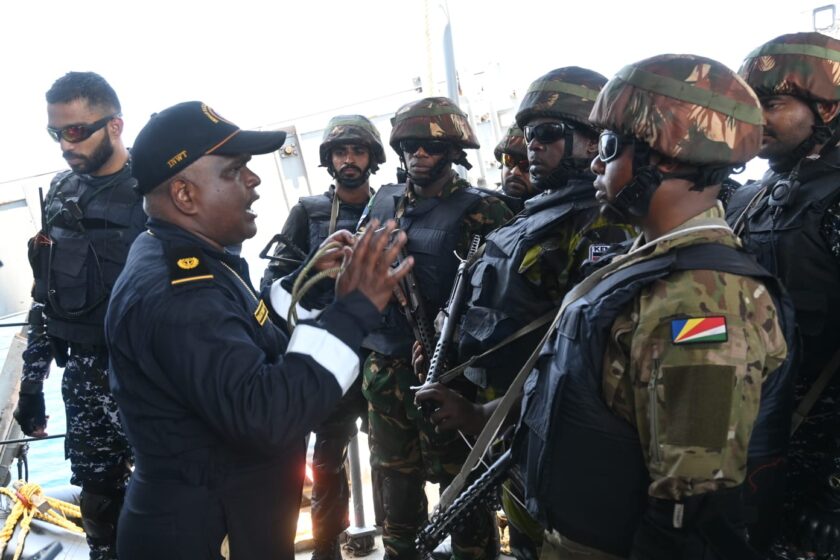
Both sides reaffirmed their commitment to strengthening military-to-military engagement through joint exercises, training exchanges, and high-level strategic consultations, according to the Ministry of Defence.
Focus on Defence Cooperation and Procurement
Discussions also covered potential acquisitions aimed at enhancing India’s military capabilities. These include additional Boeing P-8I surveillance aircraft, Excalibur precision-guided artillery ammunition, and Javelin anti-tank guided missile systems.
Officials indicated that both countries are exploring ways to deepen collaboration in advanced defence technologies, aligning with the broader framework of the India–US Major Defence Partnership.
Strategic Importance of Indo-Pacific
During the visit, Colby underscored India’s central role in the Indo-Pacific region, describing it as a key pillar in maintaining a favourable balance of power. He highlighted India’s strategic geography, economic growth, and expanding military strength as crucial to regional stability.
On the sidelines of the meeting, Colby also held talks with Foreign Secretary Vikram Misri. According to Randhir Jaiswal, the discussions focused on defence cooperation, regional security, and ways to further deepen the bilateral strategic partnership.

Gulf Crisis and Strategic Concerns
The broader geopolitical context—particularly the ongoing tensions involving the United States, Israel, and Iran—featured prominently in the deliberations. Energy security and regional stability emerged as key concerns, especially given India’s continued reliance on Russian oil and its policy of strategic autonomy.
Recent developments, including reported maritime incidents in the Indian Ocean, have added to New Delhi’s concerns about regional security and the reliability of long-term defence partnerships.
Underlying Frictions Remain
Despite renewed engagement, several irritants persist in the relationship. Trade tensions, including US tariffs on Indian exports, and Washington’s criticism of India’s energy ties with Moscow have strained ties in recent months.
Officials acknowledged that past issues such as sanctions threats and restrictions on technology transfer continue to influence India’s defence planning and procurement decisions.
Colby’s visit is being seen as a signal of Washington’s intent to stabilise ties and expand cooperation. However, both sides recognise that expectations must remain measured, given the complex geopolitical landscape and evolving strategic priorities.
The renewed dialogue reflects a shared interest in maintaining strong defence ties, even as global uncertainties test the resilience of the India–US partnership.