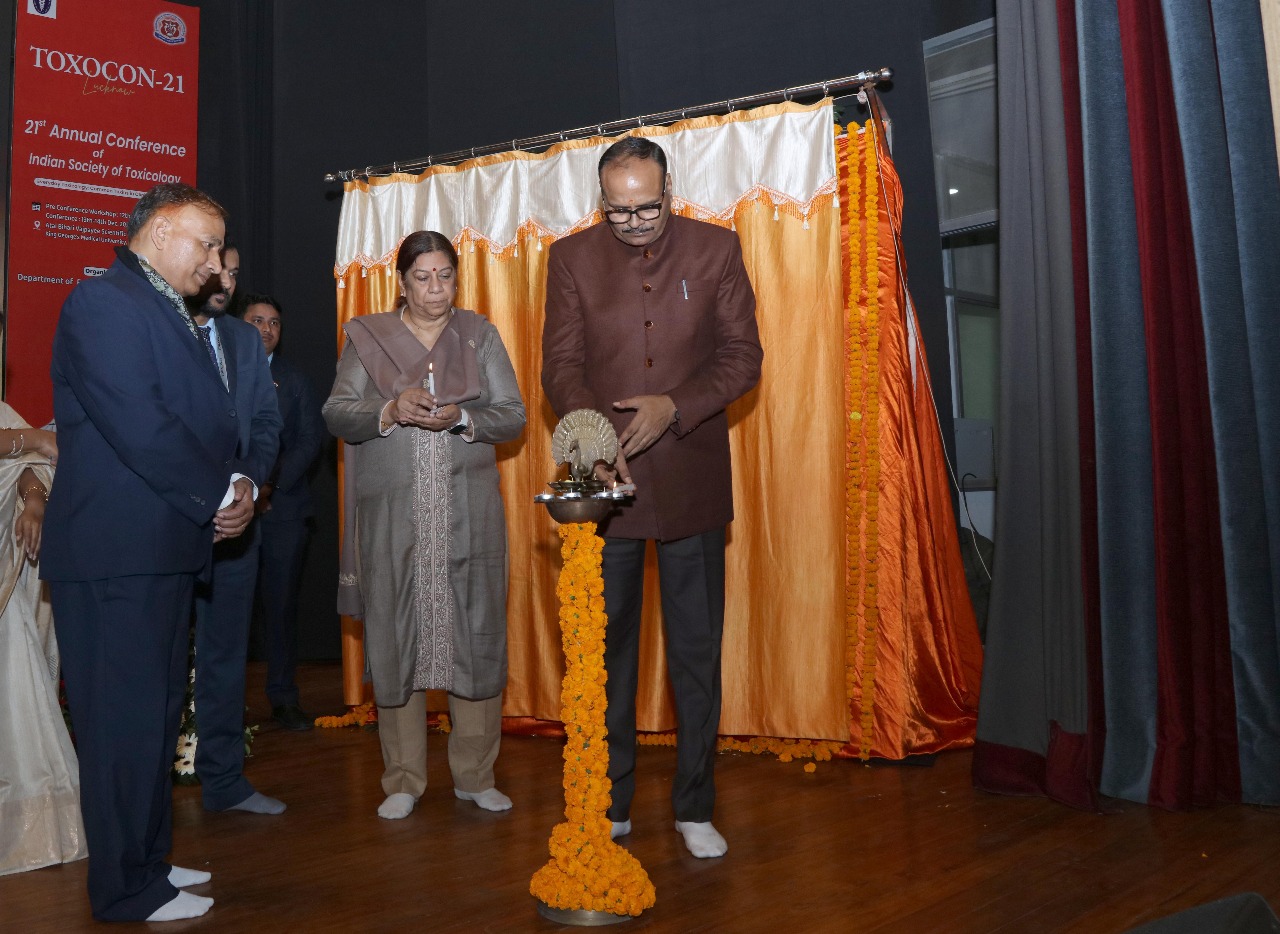
Lucknow: The 21st Annual National Conference of the Indian Society of Toxicology (IST), TOXOCON-21, commenced today with great enthusiasm at King George’s Medical University (KGMU), Lucknow. The conference was inaugurated by the Chief Guest, Brajesh Pathak, Deputy Chief Minister, Uttar Pradesh.
A major highlight of the inaugural ceremony was the inauguration of the Analytical Toxicology Laboratory and the Poison Information Centre (PIC) at KGMU. The newly inaugurated Analytical Toxicology Laboratory is the first of its kind in North India, designed to support clinicians in the diagnosis and management of poisoning cases, thereby strengthening patient care and emergency response. The Poison Information Centre is the first PIC in the state of Uttar Pradesh, marking a significant milestone in toxicology services and public health preparedness. Both the Analytical Toxicology Laboratory and the Poison Information Centre function under the charge of Dr Shiuli Rathore.
The inaugural function was graced by Prof. Soniya Nityanand, Vice-Chancellor, KGMU, Dr Anoop Kumar Verma, Organising Chairman, TOXOCON-21, Dr Shiuli Rathore, Organising Secretary, Dr Nishat Ahmed, President, Indian Society of Toxicology, along with eminent toxicologists, clinicians, forensic experts, researchers, and delegates from across the country.
Addressing the gathering, Brajesh Pathak appreciated the efforts of KGMU and the Indian Society of Toxicology in advancing toxicology services, education, and research, and emphasized the importance of such initiatives in improving patient outcomes and strengthening healthcare systems.
During the inaugural ceremony, prestigious IST Special Awards were also announced:
•IST Young Toxicologist Award (Clinical Toxicology) was conferred upon Dr Nikhil Paul
•IST Young Forensic Toxicologist Award was awarded to Dr Anjaly Asok
•IST Award for Distinguished Service in Toxicology was presented to Dr Adarsh, Director, Forensic Science Laboratory (FSL)
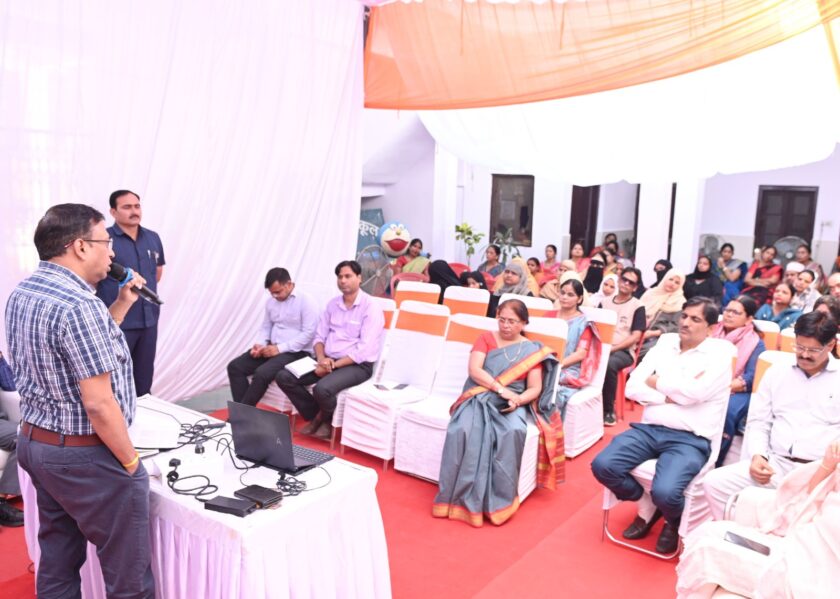
TOXOCON-21 brings together experts from clinical, forensic, analytical, and academic toxicology to deliberate on contemporary challenges, emerging trends, and future directions in the field. The conference will continue with scientific sessions, panel discussions, and workshops over the coming days.
---------------------------------------------------------------------------------------------------