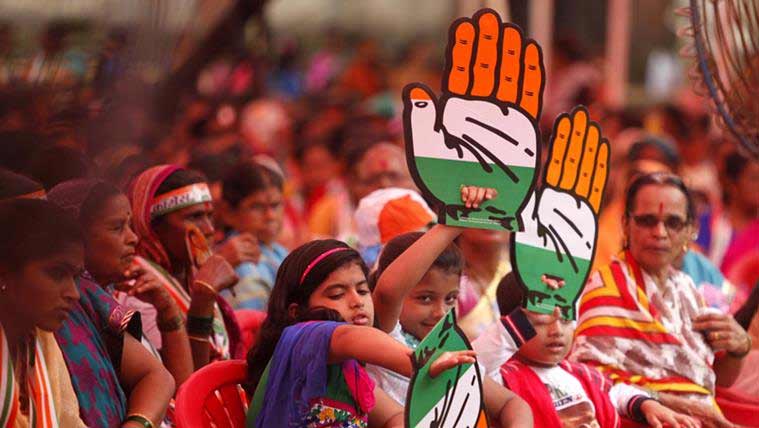
Lucknow: Uttar Pradesh, with its decisive 80 Lok Sabha seats and 403 Vidhan Sabha constituencies, remains the ultimate political battleground in India. For the Indian National Congress, once the states dominant force in the decades following Independence, the struggle to regain relevance here is not just regional—it is central to its national revival.
After years of steady decline, the 2024 Lok Sabha elections offered a flicker of hope. Riding on its alliance with the Samajwadi Party under the INDIA bloc, Congress improved its tally in Uttar Pradesh from one seat in 2019 to six, while increasing its vote share to around 9.5%. Nationally, the party’s total rose to 99 seats, reviving optimism among its cadre.
Yet, this resurgence remains fragile.
From Dominance to Decline
The Congress party’s fall in Uttar Pradesh has been long and steep. From ruling the state multiple times, its electoral presence dwindled dramatically over the past three decades. The 2022 Assembly elections marked a historic low, with the party securing just two seats and barely over 2% vote share. The rise of identity-driven politics by regional players and the consolidation of the BJP’s electoral base further marginalized Congress.
The 2024 results, however, hinted at potential recovery. High-profile victories, including Rahul Gandhi retaining Rae Bareli and Kishori Lal Sharma’s win in Amethi, helped the party regain some political footing. But translating this into sustained momentum has proven challenging.
Organizational Drift and Leadership Challenges
At the core of Congress’s struggle lies a weak organizational structure. Once known for its extensive grassroots network, the party today faces a shortage of booth-level workers and cohesive local leadership. Internal factionalism has compounded the problem, with competing groups vying for influence.
The situation worsened when Mallikarjun Kharge dissolved the Uttar Pradesh state unit in late 2024, promising a structural overhaul. However, delays in rebuilding the organization have left cadres disillusioned and inactive.
Leadership remains both a strength and a constraint. Priyanka Gandhi Vadra continues to be a prominent face in Uttar Pradesh, with her outreach campaigns targeting women and youth. Meanwhile, Rahul Gandhi’s broader push for caste census and social justice has added a national dimension to the party’s messaging. Yet, critics argue that over-reliance on the Gandhi family has hindered the emergence of strong regional leaders.

The Alliance Puzzle Ahead of 2027
Looking ahead to the 2027 Assembly elections, Congress is expected to continue its alliance with the Samajwadi Party. However, seat-sharing negotiations are likely to be contentious. While Congress seeks a larger share to reassert itself, the SP—buoyed by stronger electoral performance—holds the upper hand.
The absence of the Bahujan Samaj Party from any alliance equation adds another layer of complexity. A triangular contest could split opposition votes, but it may also create opportunities for Congress to expand its appeal among non-Yadav OBCs, minorities, and youth.
Why Uttar Pradesh Matters Nationally
Uttar Pradesh has historically shaped national power equations. For Congress, a credible performance in 2027 could signal its return as a serious contender in Indian politics. Even a modest gain in assembly seats would boost morale, strengthen alliances, and demonstrate viability beyond its existing strongholds.
Conversely, another poor showing would reinforce perceptions of decline and weaken its bargaining power in national politics.
The Road Ahead
As of 2026, Congress finds itself in a rebuilding phase—energized but uncertain. Initiatives like organizational drives, grassroots outreach, and issue-based campaigns on unemployment and inflation indicate intent. However, success will depend on execution.
Rebuilding a strong grassroots structure, empowering local leadership, and crafting a compelling narrative for voters will be critical. Equally important will be striking a pragmatic alliance balance that allows Congress to grow without overdependence.
For the grand old party, Uttar Pradesh is more than just another election. It is a decisive test of survival and resurgence. Whether it can convert renewed activity into electoral success—or remain confined to the margins—will become clear as the road to 2027 unfolds.