Beijing / Islamabad: China’s aggressive expansion in the global arms market is once again drawing scrutiny, with a new U.S. report revealing how Beijing leveraged the India–Pakistan conflict earlier this year to test and promote its latest weapons systems. Rather than playing a stabilizing role, China is accused of turning the crisis into a live battlefield for its military technologies—while simultaneously using propaganda to undermine Western defence platforms and boost its own global sales.
Turning Conflict Into a Testing Ground
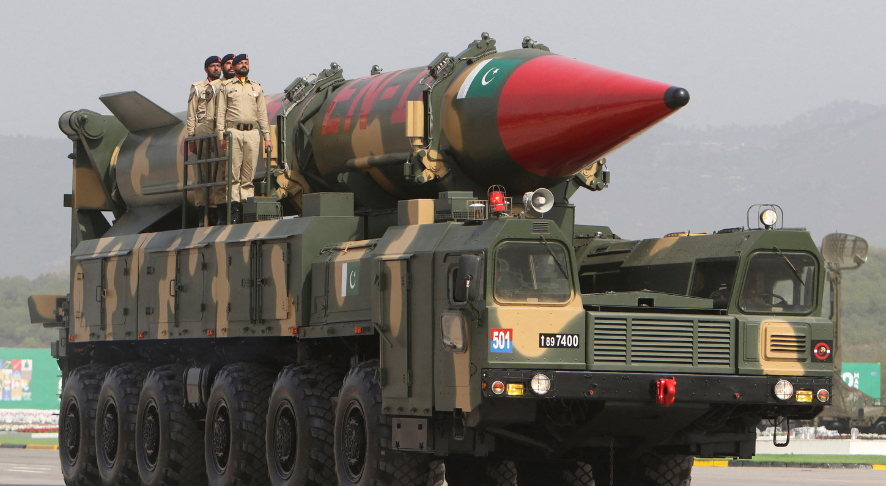
According to the report, China viewed the heightened India–Pakistan tensions of May 2025 as an opportunity to conduct “field experiments” with advanced weaponry. Several high-tech Chinese systems—including the HQ-9 air defence system, the PL-15 air-to-air missile, and the J-10C fighter jet—were deployed in active operations for the first time.
Rather than acknowledging its role openly, China allegedly used Pakistan as a proxy to showcase the performance of its platforms. Pakistan’s deputy prime minister Ishaq Dar fueled this narrative in Parliament by claiming that Pakistani J-10Cs shot down multiple Indian Air Force aircraft, including Rafales. The report, however, notes that these claims were exaggerated and strategically amplified.
Propaganda, AI Images, and Market Manipulation
Investigators found that Chinese embassies and coordinated online networks circulated AI-generated images, video game graphics, and manipulated visuals portraying downed Indian aircraft. The intention, analysts say, was two-fold:
-
Discredit Western systems—especially the French-made Rafale.
-
Promote Chinese alternatives, including the J-35 stealth fighter.
The report cites French intelligence stating that Indonesia paused its Rafale procurement process after China’s influence campaign gained traction—an example of how propaganda directly impacted global defence deals.
Pakistan Remains Heavily Dependent on China
China’s hold over Pakistan’s military apparatus has deepened dramatically. Beijing recently offered Islamabad 40 J-35 fighters, KJ-500 early-warning aircraft, and a ballistic missile defence system.
According to SIPRI, 81% of Pakistan’s arms imports in the past five years came from China, making it one of Beijing’s most strategically dependent partners.

China’s Expanding Footprint in the Middle East
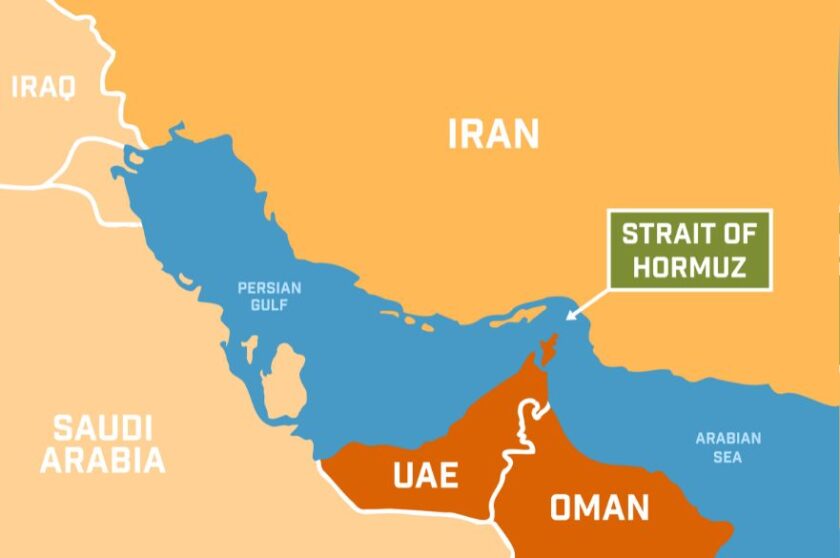
China’s growing arms exports to the Middle East are tied to its broader energy security goals. Beijing identifies the region as a crucial pillar of its Belt and Road Initiative and has become a major supplier of military equipment to Arab nations.
Key highlights:
- China’s share of global arms exports rose from 3.8% (2012–16) to 6.2%, before stabilizing at 5.2% (2016–20).
- It is now the fifth-largest arms exporter in the world.
- China has emerged as a top producer of naval vessels and one of the leading suppliers of armed drones (UAVs).
Middle Eastern customers—including Egypt, Iraq, Jordan, Saudi Arabia, and the UAE—have acquired Wing Loong and CH-4 attack drones. These are particularly in demand because the United States follows strict export controls on armed UAVs to the region.
Saudi Arabia, a key U.S. ally, has become one of China’s top defence clients, purchasing DF-21 ballistic missiles and Wing Loong drones. It has also signed a joint-production agreement with Beijing to manufacture CH-series drones locally. Iran, meanwhile, has long relied on Chinese missile and UAV technology.
Flexible Payments and Strategic Influence
China offers attractive credit lines, lenient payment schedules, and political concessions to partner nations—making it a preferred supplier for developing countries seeking affordable alternatives to Western systems.
A 2013 SIPRI study noted China’s role as a major exporter of small and light weapons as well. Analysts warn that such exports can deepen instability in fragile regions by empowering authoritarian regimes and armed groups.
A Shifting Global Security Landscape
China’s growing prominence in the international arms trade signals a broader transformation in global geopolitics—shaped by new power alignments, technology races, and aggressive marketing strategies.
For India, Beijing’s deepening military cooperation with Pakistan—and its willingness to use regional conflicts as weapons-testing grounds—remains a serious strategic concern.