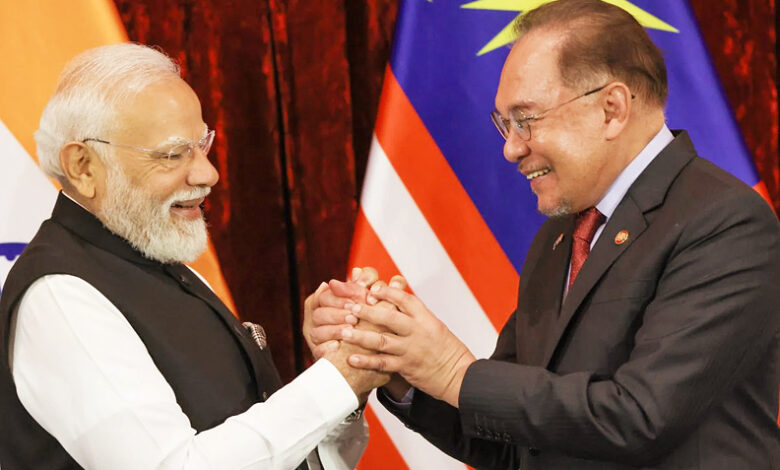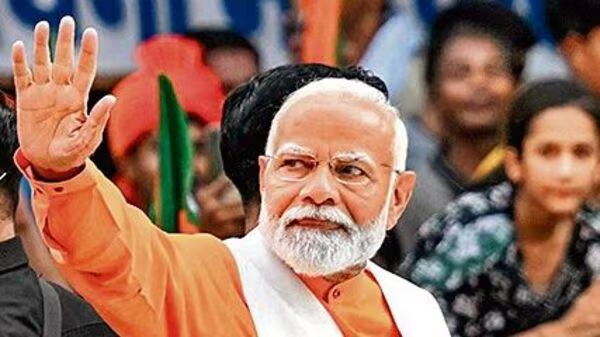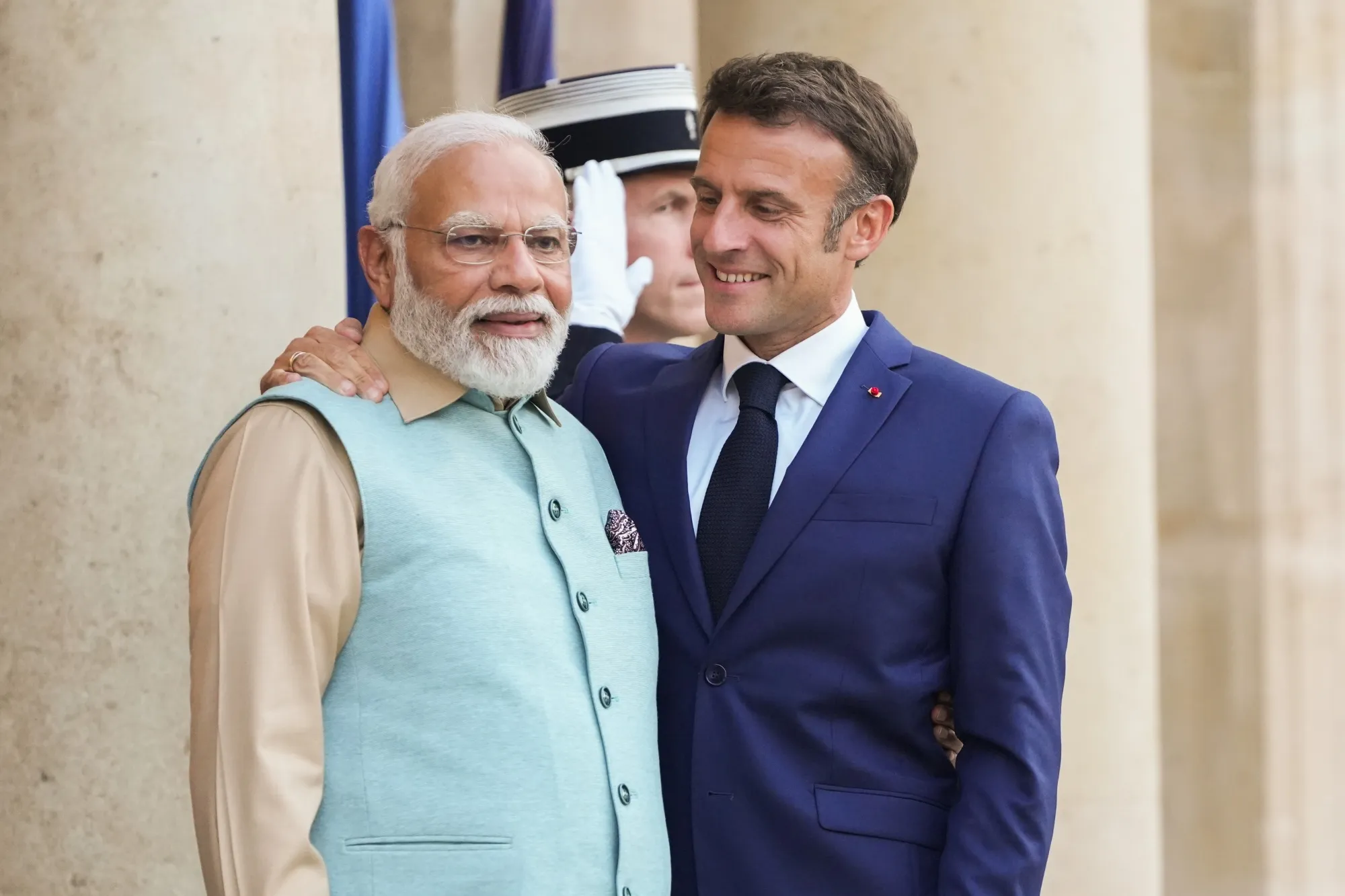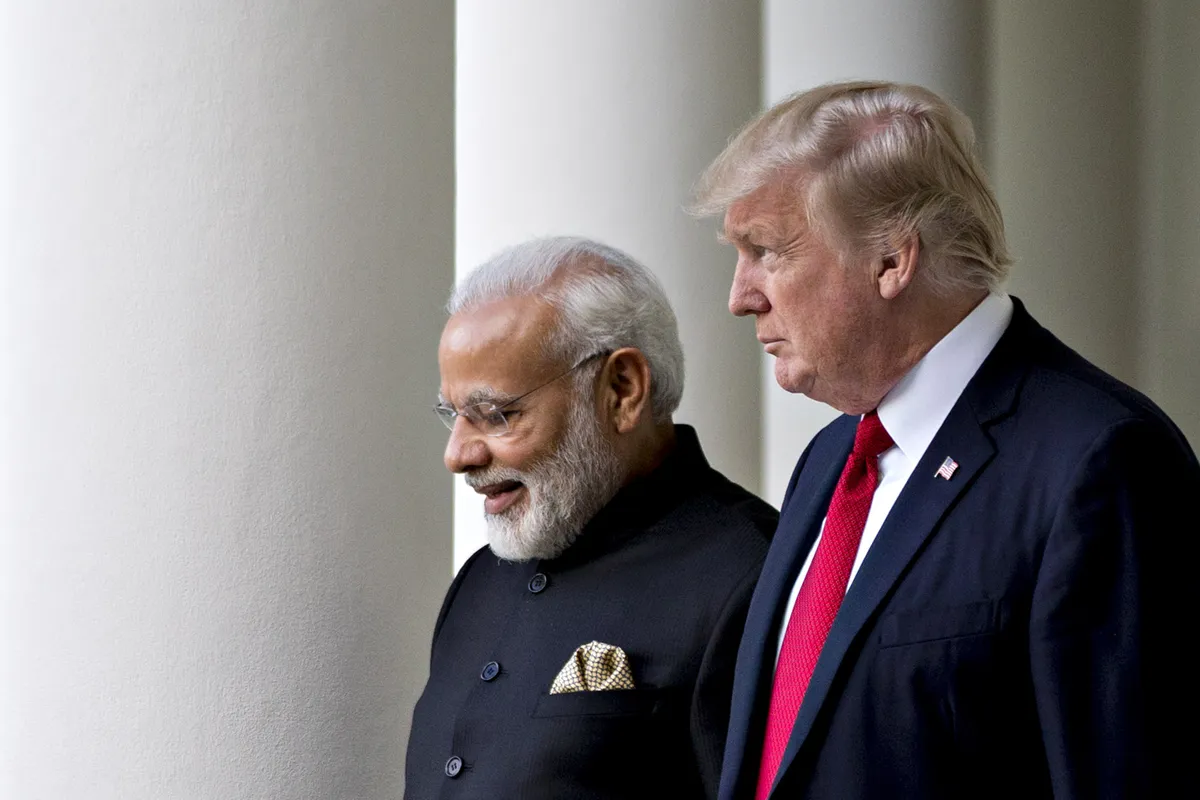
Washington / New Delhi: The trade agreement between India and the United States announced in February 2026 is being projected as a landmark achievement, yet the absence of transparency and conflicting claims from Washington and New Delhi have raised serious doubts about its true nature. Rather than a clear-cut “historic breakthrough,” many observers see the deal as a political signal or a confidence-building gesture, wrapped in ambiguity. At the heart of the controversy is the lack of publicly available documentation. The Indian government has not released the full text, written…
Read MoreCategory: World
Armed Women Enter Baloch Insurgency, Deepening Pakistan’s Security Challenge
Balochistan | A new and troubling dimension has emerged in Pakistan’s restive Balochistan province as armed women have begun appearing prominently in insurgent activities, signalling a deeper social and strategic shift within the Baloch resistance movement. Recent coordinated attacks by Baloch militants across 12 locations in the province targeted security forces, police units and civilian infrastructure, leaving at least 10 security personnel dead and further destabilising the region’s fragile security environment. The attacks have visibly shaken both the provincial government and the military establishment. Chief Minister Sarfaraz Bugti appeared publicly distressed…
Read MoreIs Nuclear Testing Now Necessary for Iran?
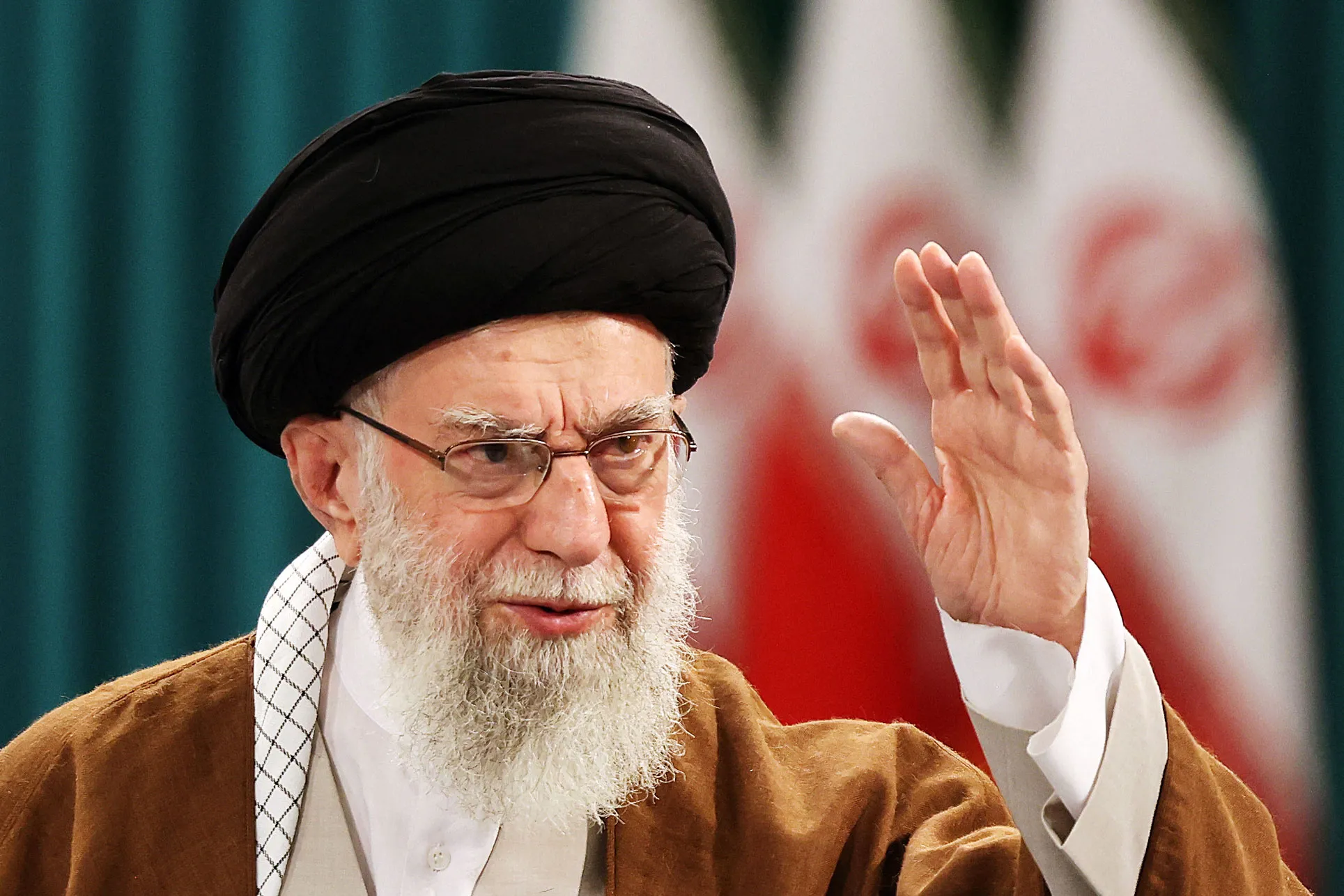
New Delhi | Recent geopolitical developments have reignited a global debate over Iran’s strategic options in an increasingly volatile world order. The controversial US military action in Venezuela—reportedly involving the forcible transfer of President Nicolás Maduro to New York—has shocked the international community and raised serious questions about sovereignty, international law and the future balance of global power. Critics argue that such actions signal a shift toward unilateralism, where military and economic power override diplomatic norms. Against this backdrop, fears are growing that similar pressure tactics could be extended to countries…
Read MoreUS-India Trade Pact Slashes Duties To 18%, Sidelines China, Bangladesh, Pakistan And Others In Asia
Courtesy – Indian Defence News New Delhi: The United States and India have forged a landmark trade agreement that dramatically reduces American tariffs on Indian imports from 50 per cent to 18 per cent. President Donald Trump announced the deal on social media following a telephone conversation with Prime Minister Narendra Modi. This move rescinds a punitive 25 per cent duty imposed on Indian goods due to New Delhi’s purchases of Russian oil, which had been added atop a 25 per cent reciprocal tariff. In exchange, India has…
Read MorePeace Talks Scheduled in Abu Dhabi Next Week as Donbas Dispute Between Russia and Ukraine Continues
Kyiv | Ukrainian President Volodymyr Zelenskyy on Sunday announced that the next round of peace talks between Russia and Ukraine will be held in Abu Dhabi on February 4 and 5. The talks will be conducted in a trilateral format, with representatives from Ukraine, Russia and the United States expected to participate. In a post on Telegram, President Zelenskyy said he had received an update from Ukraine’s negotiation team confirming the dates of the upcoming meeting. “The dates for the next trilateral meeting have been finalised. Ukraine is ready for…
Read MoreMaersk MD Meets CM Yogi Adityanath, Discusses Expansion of Investments in Uttar Pradesh
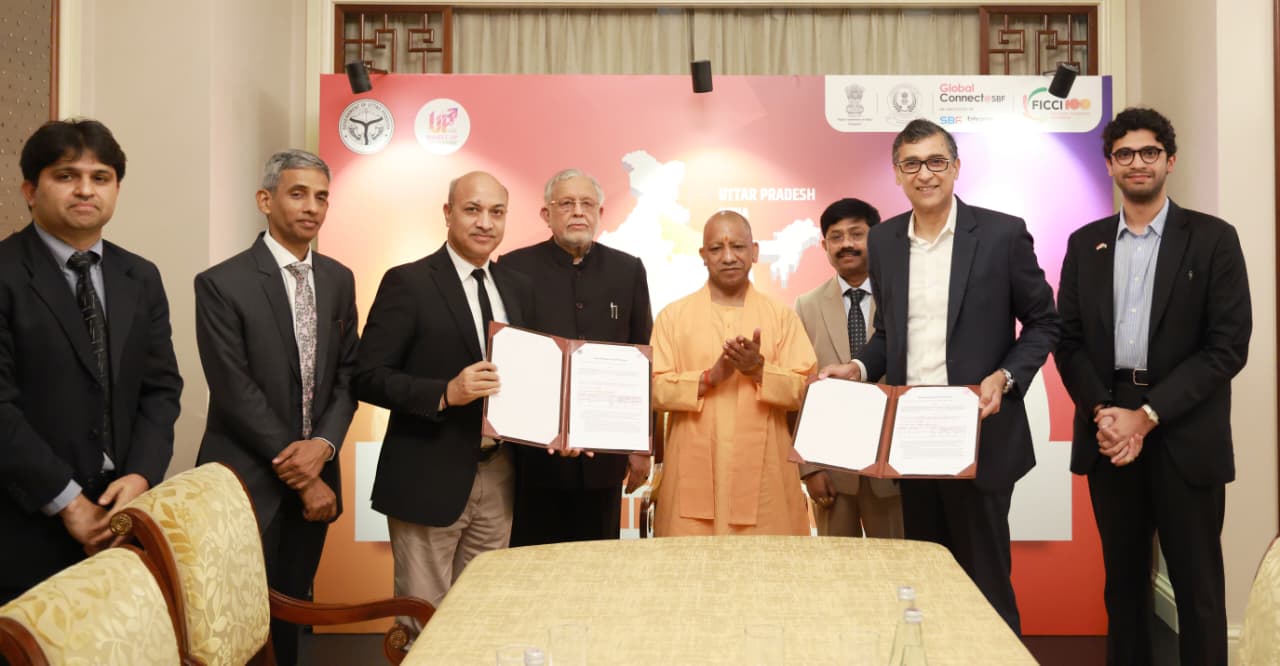
Lucknow: Efforts by the Uttar Pradesh government to firmly position the state on the global investment map continue to receive strong support from foreign investors. In this context, Rein Piel Pedersen, Managing Director of Singapore-based global logistics major A.P. Moller–Maersk, called on Chief Minister Yogi Adityanath in Lucknow on Monday. The meeting focused on expanding Maersk’s investments in Uttar Pradesh and exploring new business opportunities in the state. Pedersen was accompanied by Vivek Sharma, Head – Business Development and Regulatory Affairs (India, Bangladesh and Sri Lanka region). During the meeting,…
Read MoreFrom Palaces to the Countryside: Jordanian Princess Makes a New Home in Wales
London– Far from the golden deserts of Dubai and its sprawling marble palaces, a Jordanian princess has chosen a quiet village in Wales as her new home. Princess Haya bint Hussein, daughter of the King of Jordan, is transforming an old country house into a secure and comfortable residence, leaving behind the opulence of Dubai. The 51-year-old princess, who divorced Dubai ruler Sheikh Mohammed bin Rashid Al Maktoum in 2019, received one of the largest divorce settlements in history, reportedly amounting to £554 million. Following the split, she decided to…
Read MoreWHO Chief Warns: ‘Nipah a Rare but Severe Disease’
Washington – The Director-General of the World Health Organization (WHO), Dr. Tedros Adhanom Ghebreyesus, has issued a caution regarding the Nipah virus, describing it as a “rare but serious disease.” He emphasized that the recent cases are confined to India, with no reports of infections from other countries. Third Case in West Bengal Since First Detection Dr. Tedros noted on X (formerly Twitter) that two new cases of Nipah virus infection have been reported in West Bengal, marking the third recorded instance in the state since the virus was first identified…
Read MoreFrom Nobel Dreams to Power Games: Trump’s Peace Paradox
Washington: The persona and policies of U.S. President Donald Trump present a striking paradox for global politics. While he positions himself as a champion of peace and even seeks recognition through the Nobel Peace Prize, many of his actions and statements have produced instability, fear, and conflict worldwide. His attempts at diplomacy often coexist with threats, economic sanctions, and aggressive rhetoric, raising questions about the true nature of his “peace initiatives.” Trump’s proposed plan for peace in Gaza exemplifies this contradiction. Marketed as a humanitarian effort, the plan has been…
Read MoreA New changing world order, amid global headwinds
Washington: Since the end of World War II, the global order has been built on cooperation, multilateral institutions, shared norms, and the belief that collective action could prevent large-scale conflicts and address worldwide challenges. Institutions like the United Nations, the World Trade Organization, the International Monetary Fund, arms control treaties, and climate agreements symbolized this cooperative spirit, providing frameworks for dialogue and rule-based problem-solving. However, in recent years, this global system has shown signs of fragmentation. A significant factor has been the shift from multilateralism to unilateralism by powerful nations,…
Read More