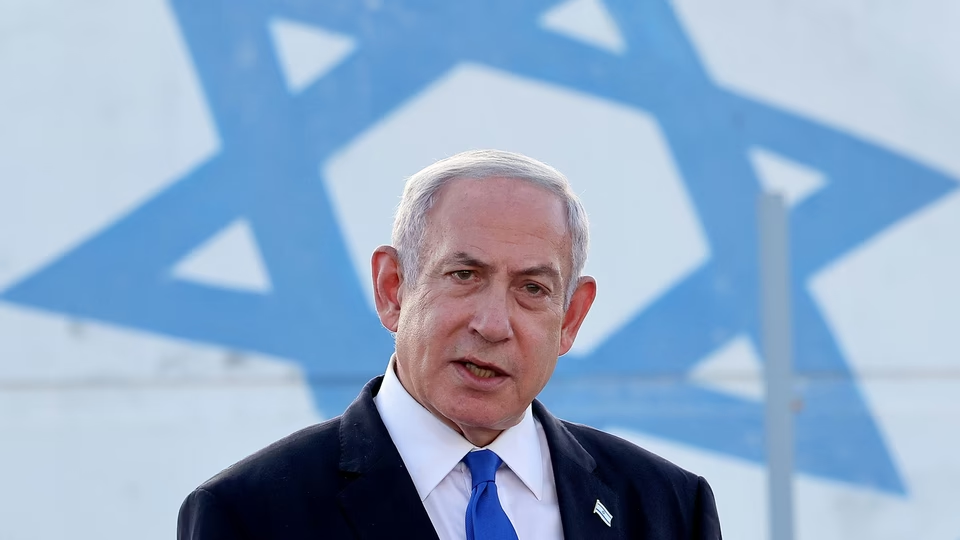
Tel Aviv: Israeli Prime Minister Benjamin Netanyahu has delivered a strong and uncompromising message regarding the escalating conflict with Iran, declaring that the ongoing U.S.–Israel military campaign will be “swift and decisive” and will not drag on for years.
Speaking in an interview on Fox News’ Hannity, Netanyahu said the war against Tehran would not become an endless conflict. “I said it could be quick and decisive. It may take some time, but it will not last for many years. This is not an infinite war,” he stated, signaling confidence in the military objectives set by both Israel and the United States.
According to international reports, the latest phase of the conflict began on Saturday when coordinated strikes by the United States and Israel targeted key Iranian assets. Among the developments widely reported was the killing of Iran’s Supreme Leader, Ali Khamenei, marking a dramatic escalation in hostilities between Tehran and the Western alliance.
War Expands Across the Region
Netanyahu described the campaign as limited yet decisive, distinguishing it from prolonged regional wars of the past. However, the battlefield reality suggests rapid geographic expansion.
Israeli forces have resumed strikes against Iran-backed Hezbollah positions in Lebanon, while Iran has retaliated with missile and drone attacks targeting U.S. installations in Gulf countries. Tehran has reportedly claimed strikes on a U.S. air base in Bahrain, asserting that multiple targets were hit. Drone attacks were also reported near the U.S. Embassy in Saudi Arabia, triggering fires and heightened security alerts.
The widening arc of the conflict now stretches across Iran, Israel, Lebanon, Bahrain, and parts of the Gulf, raising fears of a prolonged regional confrontation.
Intensified Military Operations
Israeli forces have reportedly targeted facilities in Tehran, including the headquarters of Iran’s state broadcaster IRIB, and expanded operations in southern Lebanon. Additional Israeli troops have been deployed near the Lebanese border amid concerns of broader engagement with Hezbollah forces.
Meanwhile, U.S. forces are said to have carried out strikes on more than 1,200 targets inside Iran, including military installations and naval assets. Reports suggest that several Iranian vessels were destroyed during coordinated operations in the Gulf.
Civilian casualties have mounted across multiple countries as missile exchanges and airstrikes continue. Regional instability has deepened, with infrastructure damage, displacement, and rising humanitarian concerns adding to the toll of the conflict.
Oil Trade Disrupted, Markets React
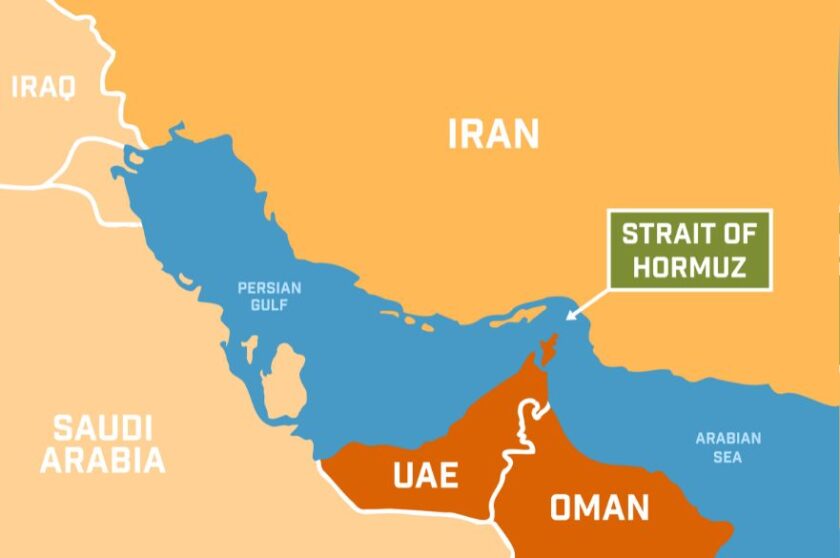
One of the most significant global consequences of the war has been disruption in the Strait of Hormuz, through which roughly one-fifth of the world’s oil supply passes. Shipping activity has been severely affected, leading to sharp increases in global oil prices.

Insurance premiums for vessels operating in the Gulf have surged to record levels, and freight rates have climbed dramatically. Financial markets across Asia and the Middle East have reacted nervously, with airline stocks facing particular pressure due to widespread airspace closures.
Major Gulf airports, including Dubai, remained shut for a fourth consecutive day, leaving thousands of passengers stranded. Numerous flights have been canceled or rerouted as commercial aviation faces heightened security risks.
U.S. Position and Strategic Calculations
U.S. President Donald Trump initially suggested the conflict could last four to five weeks. However, administration officials have since described it as a broader and open-ended military operation, depending on developments on the ground.
Secretary of State Marco Rubio stated that the objective of crippling Iran’s ballistic missile capabilities could potentially be achieved without deploying ground troops. At the same time, he noted that no option has been ruled out by the White House.
An Israeli official echoed similar caution, indicating that while the campaign could continue for several weeks, sending ground forces into Iran would be complex and remains uncertain at this stage.
The U.S. State Department has also ordered the evacuation of non-emergency personnel from Bahrain, Iraq, and Jordan, reflecting concerns over further Iranian retaliation.
A Conflict With Global Consequences
As military strikes intensify and rhetoric hardens, the conflict shows signs of reshaping regional dynamics. Analysts warn that continued escalation could draw in additional actors and deepen instability across West Asia.
Netanyahu’s assertion that the war will be decisive rather than prolonged appears aimed at reassuring both domestic and international audiences. However, the scale of operations and widening frontlines suggest a conflict whose trajectory remains fluid.
With oil markets rattled, civilians caught in crossfire, and diplomatic channels under strain, the coming days will likely determine whether this confrontation stabilizes into a contained campaign—or evolves into a broader regional war with lasting global repercussions.