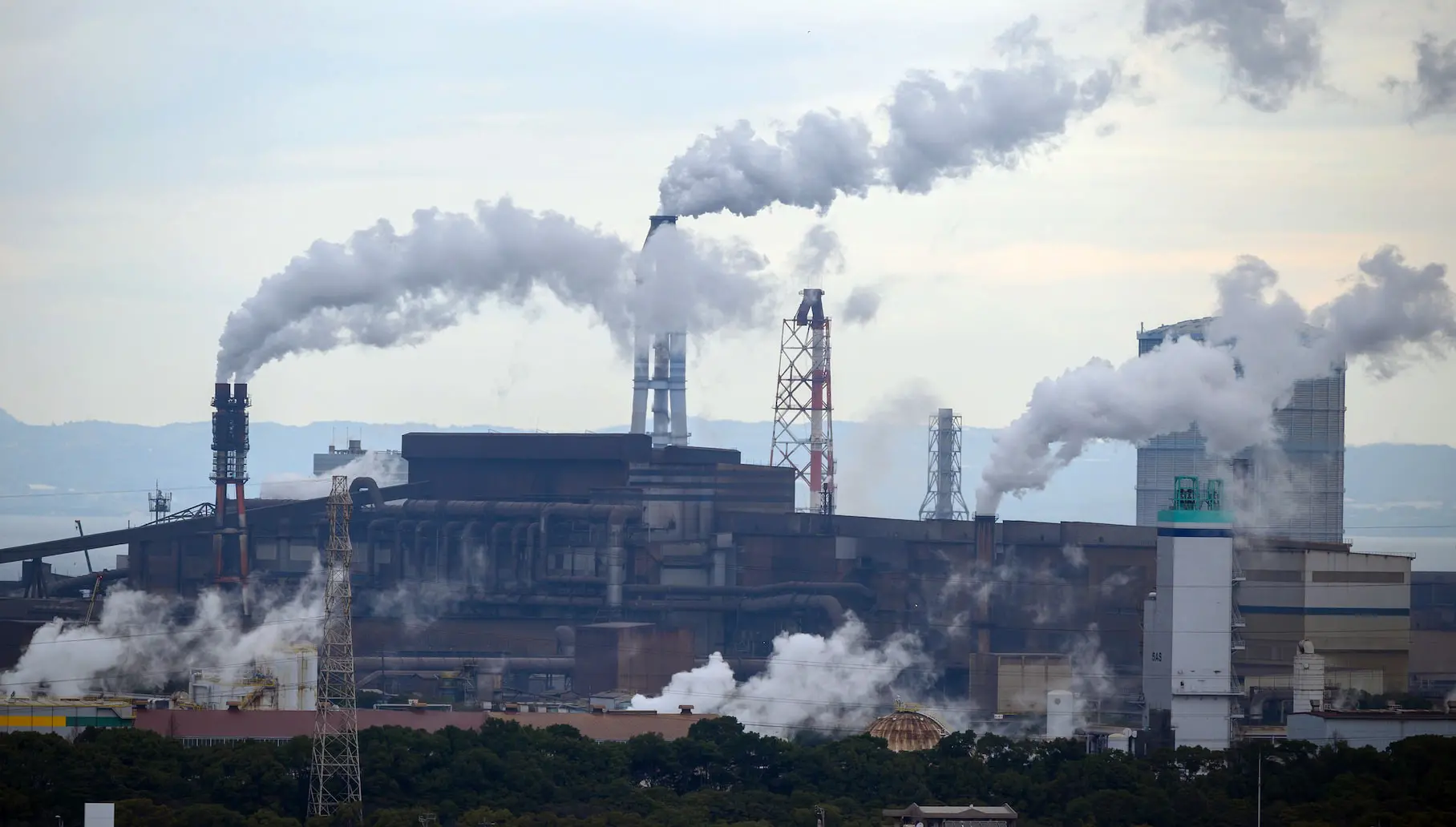
New Delhi: Air pollution has emerged as a deadlier threat than the COVID-19 pandemic, claiming over 1.7 million lives in India in 2022, according to The Lancet’s latest report, Countdown on Health and Climate Change. The study highlights a 38% rise in air pollution-related deaths compared to 2010, painting a grim picture of the country’s deteriorating air quality.
What was once considered a seasonal or city-specific problem, particularly in Delhi and Mumbai, has now become a nationwide health emergency. Experts say the air quality in the National Capital Region (NCR), especially Delhi and Noida, worsens drastically after festivals like Diwali due to increased vehicular emissions, construction dust, and crop residue burning.
Toxic Air Takes a Heavy Toll
The report points to PM 2.5 pollution—tiny particulate matter that penetrates deep into the lungs—as the chief culprit behind rising health risks. Of the total pollution-related deaths, 44% (around 752,000 deaths) were linked to the burning of fossil fuels such as coal, petrol, and gas. Specifically, coal use accounted for 394,000 deaths, while petrol-driven road transport contributed 269,000 deaths.
Shockingly, researchers observed that deaths due to air pollution in 2022 outnumbered those caused by COVID-19, underscoring the severity of India’s pollution crisis.
Delhi: The World’s Most Polluted Capital
According to the Institute for Health Metrics and Evaluation (IHME), one in every seven deaths in Delhi is linked to air pollution—roughly 15% of total fatalities. The capital’s toxic air is a major driver of heart disease, stroke, lung cancer, and chronic respiratory illnesses. Experts have also warned of its long-term impact on pregnant women and unborn children, potentially affecting future generations.

Economic Impact: A $339 Billion Blow
Beyond health concerns, air pollution is also crippling India’s economy. The Lancet report estimates that in 2022, air pollution cost the country $339.4 billion (around ₹30 lakh crore)—about 9.5% of India’s GDP. Productivity losses, healthcare costs, and reduced labor efficiency are among the major contributing factors.
A Looming Crisis
Environmentalists and public health experts warn that if immediate policy interventions are not implemented, the crisis will deepen further. Strengthening emission norms, transitioning to renewable energy, promoting public transport, and curbing industrial pollution are seen as key steps toward reversing the damage.
India’s battle against pollution is no longer about clean air—it’s about survival. The report serves as a stark reminder that breathing in modern India has become a health risk.