Riyadh | Saudi Arabia’s ambitious economic transformation plan, Vision 2030, is showing signs of strain, prompting the kingdom to prepare a major strategic recalibration. According to a Bloomberg report, the Saudi government is working on a revised approach that will reshape spending priorities and adjust policy focus in response to mounting financial pressures and changing global economic conditions.
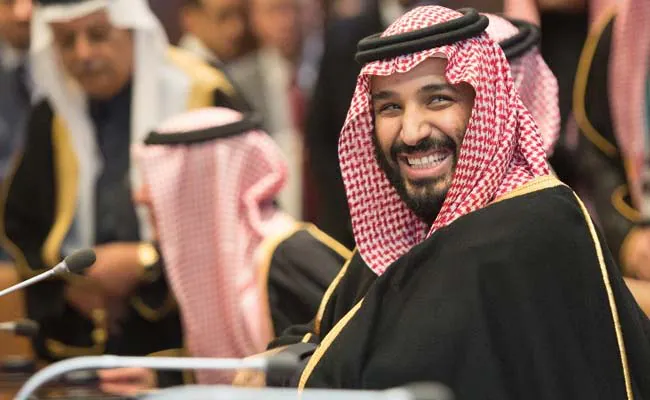
The plan, spearheaded by Crown Prince Mohammed bin Salman (MBS), was designed to reduce the kingdom’s dependence on oil and diversify its economy. However, rising costs and fiscal challenges have led authorities to reconsider how the initiative is executed.
New Strategy in the Works
Saudi Finance Minister Mohammed Al-Jadaan told Bloomberg TV that discussions have begun on how the government will present its next five-year strategy to both the public and international investors. He made the remarks during the AlUla Emerging Market Economies Conference held in Saudi Arabia.
Al-Jadaan indicated that the updated strategy will place stronger emphasis on tourism, manufacturing, logistics, and technology, though specific details and a launch timeline have yet to be finalized.
Review of Mega Projects
At the same time, global institutions including the International Monetary Fund (IMF) have called on Saudi Arabia to improve transparency and communication around its long-term economic plans. Sources suggest that the government is reassessing several large infrastructure projects, including new stadiums planned as part of preparations for the 2034 FIFA World Cup.
Officials say the renewed focus is on improving spending efficiency under Vision 2030, with the goal of insulating the economy from oil price volatility and controlling the budget deficit. Attracting private sector participation and foreign investment has now become a top priority.

Rising Costs and Fiscal Pressures
Bloomberg estimates place the total cost of Vision 2030 at nearly $2 trillion. Al-Jadaan acknowledged the financial strain but defended the government’s approach, saying, “We are continuously reprioritizing policies to allow the private sector to lead economic growth.”
Saudi Arabia has been running a budget deficit since 2022, as diversification spending has outpaced oil revenues. The government maintains that the deficit is a deliberate choice to sustain long-term investment. Official projections suggest the deficit could narrow from 5.3 percent in 2025 to 3.3 percent this year.
Funding Needs and Market Outlook
Wall Street economists, however, estimate that the actual funding requirement may be higher. Saudi Arabia is expected to need around $58 billion in financing this year, with plans to raise up to $17 billion through international bond markets.
Al-Jadaan expressed confidence in the kingdom’s financial flexibility, stating that multiple funding options remain available if needed. He also noted that Saudi GDP growth in 2025 was the fastest in three years, supported in part by the oil sector under new OPEC supply agreements.
As Saudi Arabia recalibrates Vision 2030, the coming months will be critical in determining whether the kingdom can sustain its economic transformation while managing fiscal realities—raising key questions about what comes next after oil for the world’s largest energy exporter.