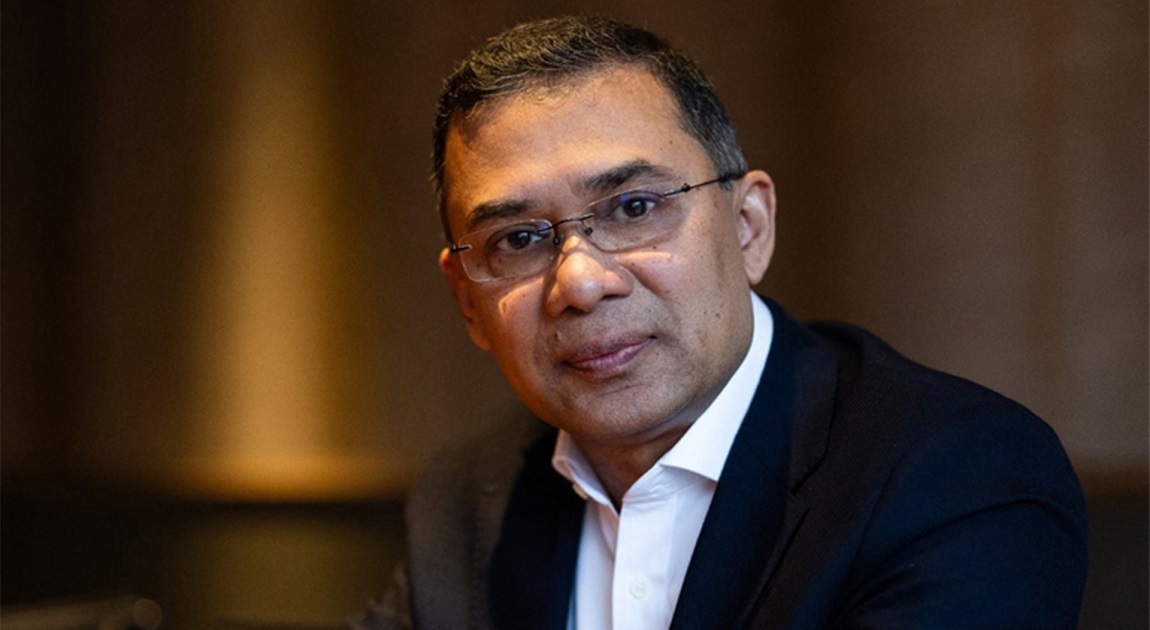
Dhaka: Bangladesh is on the brink of political transition following a dramatic general election that has reshaped its political landscape. In the February 12, 2026 polls, the Bangladesh Nationalist Party (BNP) secured a sweeping victory, winning more than 209 seats — a two-thirds majority in Parliament. Party leader Tarique Rahman is now set to become the country’s next Prime Minister.
The election marks a turning point after the 2024 student-led uprising that led to the banning of the Awami League, formerly led by Sheikh Hasina. It was the first election in years in which many citizens felt able to vote freely. However, amid the political optimism, a pressing question looms large: will minorities — especially Hindus — feel safer under the new government?
A Troubled History
To understand today’s anxieties, one must revisit Bangladesh’s past. When the country emerged as an independent nation in 1971 after separating from Pakistan, it was founded on secular principles. At the time, Hindus made up nearly 30 percent of the population. Today, that figure has fallen to around 8–9 percent.
Over the decades, minority communities have reported repeated incidents of land seizures, mob violence, temple destruction, and forced displacement. The legacy of the “Enemy Property Act” — introduced during Pakistan’s rule and later adapted into similar laws — enabled the confiscation of property belonging to many Hindu families, leaving long-lasting scars.
Particularly troubling memories resurface from the 2001 election, when the BNP came to power. Human rights groups documented widespread attacks on Hindu households, including arson, assault, and intimidation. Allegations were made that supporters of the BNP and the Jamaat-e-Islami targeted minorities perceived to be supporters of the Awami League. Authorities at the time denied systemic wrongdoing, but reports from independent observers painted a grim picture.
Earlier episodes in 1990 and 1992 also saw attacks on temples and minority properties. During the BNP’s 2001–2006 tenure, critics argued that there was no robust system to ensure minority protection. Concerns often centered on the BNP’s political alliances, particularly with parties accused of promoting religious hardline agendas.
Recent Unrest and Renewed Fears
Following the fall of Sheikh Hasina’s government in 2024, an interim administration led by Muhammad Yunus took charge. However, the period that followed was marked by instability.
According to reports cited by the Indian government, more than 2,900 incidents of violence targeting minorities occurred during this transitional period. Hindu homes were allegedly set ablaze, temples vandalized, and several people killed. Some families reportedly fled across the border into India.
Human rights organizations have also documented dozens of attacks over the past 17 months, affecting not only Hindus but also Buddhist, Christian, and indigenous communities. While the Bangladeshi authorities have described many incidents as politically motivated crimes rather than communal violence, minority leaders argue that the pattern appears systematic — particularly around election periods.

Political Promises and Public Skepticism
The BNP, for its part, has attempted to reassure minority communities. The party fielded Hindu candidates in several constituencies, and even Jamaat-e-Islami reportedly nominated a Hindu candidate in one seat. Tarique Rahman has publicly stated that his government will ensure equal protection for all citizens.
Yet skepticism persists. Critics warn that if the BNP enters into a formal alliance with Jamaat-e-Islami, demands for stronger implementation of Islamic principles in governance could resurface — potentially complicating the position of religious minorities.
At the same time, many Bangladeshis view the election as a restoration of democratic norms. With a reported voter turnout of 59 percent, the electorate signaled a desire for political change. The BNP has promised economic reform, institutional strengthening, and the revival of democratic processes.
The Road Ahead
Whether this new chapter brings hope or heightened anxiety for minorities will depend on the government’s actions in the coming months. Strong law enforcement, swift prosecution of perpetrators of violence, and clear public messaging against communal hatred will be critical tests for the incoming administration.
The international community, particularly India, has emphasized the importance of safeguarding minority rights. However, observers stress that sustainable change must come from within Bangladesh itself — through the strengthening of democratic institutions and equal application of the rule of law.
This moment is not merely about political power. It concerns the safety, dignity, and future of millions of citizens — Hindus, Buddhists, Christians, and others — who seek equal rights in the land they call home.
If the new government avoids repeating past mistakes and firmly curbs extremist elements, Bangladesh may indeed enter a more inclusive era. If not, fears of renewed marginalization could deepen.
For now, the nation — and its minorities — wait and watch.