Washington: Since the end of World War II, the global order has been built on cooperation, multilateral institutions, shared norms, and the belief that collective action could prevent large-scale conflicts and address worldwide challenges. Institutions like the United Nations, the World Trade Organization, the International Monetary Fund, arms control treaties, and climate agreements symbolized this cooperative spirit, providing frameworks for dialogue and rule-based problem-solving.
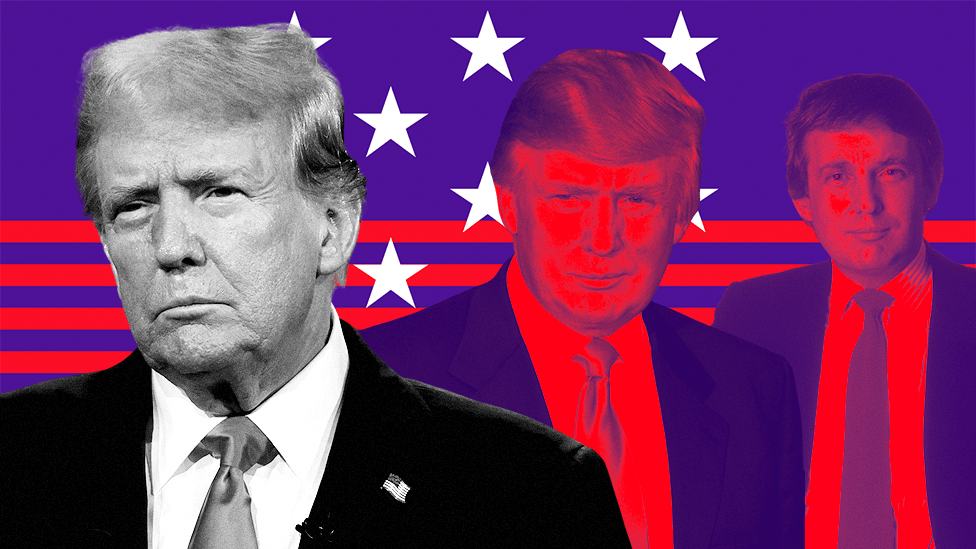
However, in recent years, this global system has shown signs of fragmentation. A significant factor has been the shift from multilateralism to unilateralism by powerful nations, particularly under leadership styles associated with former U.S. President Donald Trump. This approach has affected global stability, trust between nations, and the credibility of international governance structures.
Declining faith in multilateral institutions is one of the clearest indicators of this shift. Actions such as withdrawing from the Paris Climate Accord, criticizing the World Health Organization, and bypassing World Trade Organization dispute mechanisms have signaled that rules may be ignored when inconvenient, weakening the legitimacy of institutions that rely on the participation of major powers.
Global challenges like climate change highlight the dangers of fragmented cooperation. While U.S. states, cities, and private organizations have continued climate efforts independently, the absence of strong federal leadership has slowed collective action and undermined global confidence. Similarly, economic policies emphasizing protectionism and “America First” strategies have challenged the postwar belief that open trade fosters peace and prosperity, encouraging countries to pursue regional or bilateral agreements instead of relying on global frameworks.

Nationalist and populist politics both drive and result from this fragmentation. When international cooperation is framed domestically as a burden, short-term national interests can take precedence over global stability, potentially exacerbating security risks, trade disputes, and environmental crises.
Yet, fragmentation does not equal total collapse. New forms of cooperation are emerging through middle powers, regional alliances, and non-state actors. Scientific institutions, climate networks, and humanitarian organizations continue to operate effectively, suggesting that multilateralism remains viable if major powers embrace coordination, reliability, and responsibility over dominance.
The future of the global order will depend on whether collaboration is once again seen as a source of strength rather than a burden, and whether shared challenges are addressed through principled, cooperative engagement.