Lucknow – Uttar Pradesh’s GobarDhan scheme is transforming rural villages into models of cleanliness, renewable energy, and economic empowerment. By scientifically managing cow dung and other organic waste, gram panchayats are not only maintaining a cleaner environment but also generating biogas energy and organic fertilizers, providing a steady source of income.
As of February 2026, villages across the state have earned over ₹28 lakh through the sale of organic fertilizers and related products, significantly boosting Own Source Revenue (OSR) for the panchayats. Lalitpur district leads the way with panchayats earning ₹3,37,990, followed by Shrawasti (₹2,87,036) and Rampur (₹1,23,400).
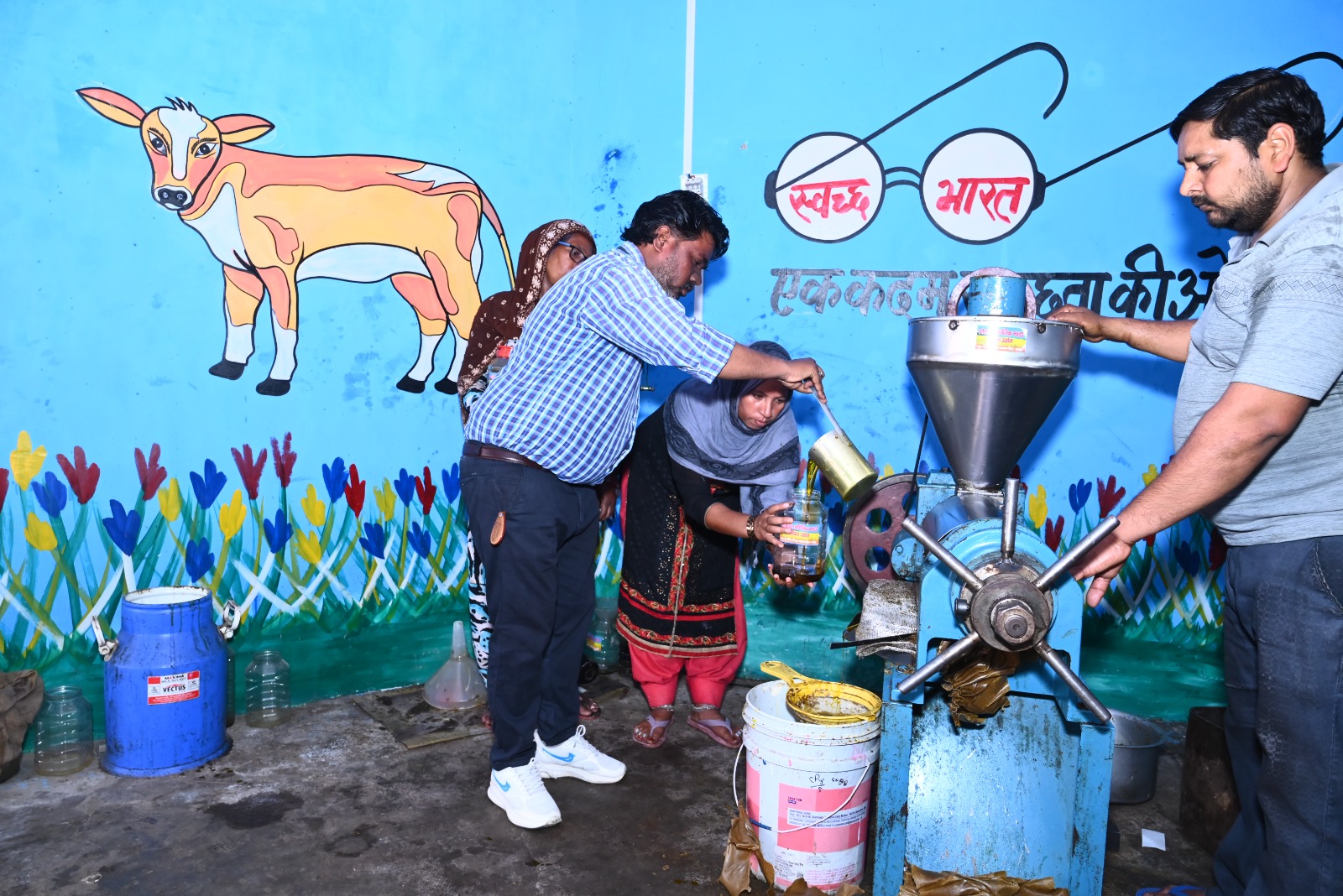
A total of 116 biogas plants have been established in 74 districts, processing cow dung, kitchen waste, and agricultural residues to produce clean energy and organic fertilizer. This energy is used locally to run flour mills and oil extraction units, strengthening the rural economy and generating employment. For example, Rampur district uses biogas energy for oil pressing, while districts such as Agra, Lalitpur, Shrawasti, Bulandshahr, Banda, Sonbhadra, and Hardoi operate flour mills using the same clean energy.
Many biogas plants have been set up in gaushalas (cow shelters), where cow dung and organic waste are converted into clean fuel and fertilizer, providing an effective alternative energy source while improving waste management.

The scheme is also supporting organic farming, reducing costs for farmers and enhancing soil fertility. By integrating renewable energy and waste management, GobarDhan is contributing to environmental protection, sustainable agriculture, and rural prosperity.
Speaking on the initiative, Om Prakash Rajbhar, Minister of Panchayati Raj, said, “The state government is committed to making villages clean, self-reliant, and economically strong. GobarDhan not only promotes proper waste management and renewable energy but also strengthens organic farming and increases panchayat revenue, accelerating local development.”
Amit Kumar Singh, Director of Panchayati Raj Department, added that the scheme has emerged as a model for better resource utilization and rural sanitation, with panchayats increasingly benefiting from the sale of organic fertilizers and related products.