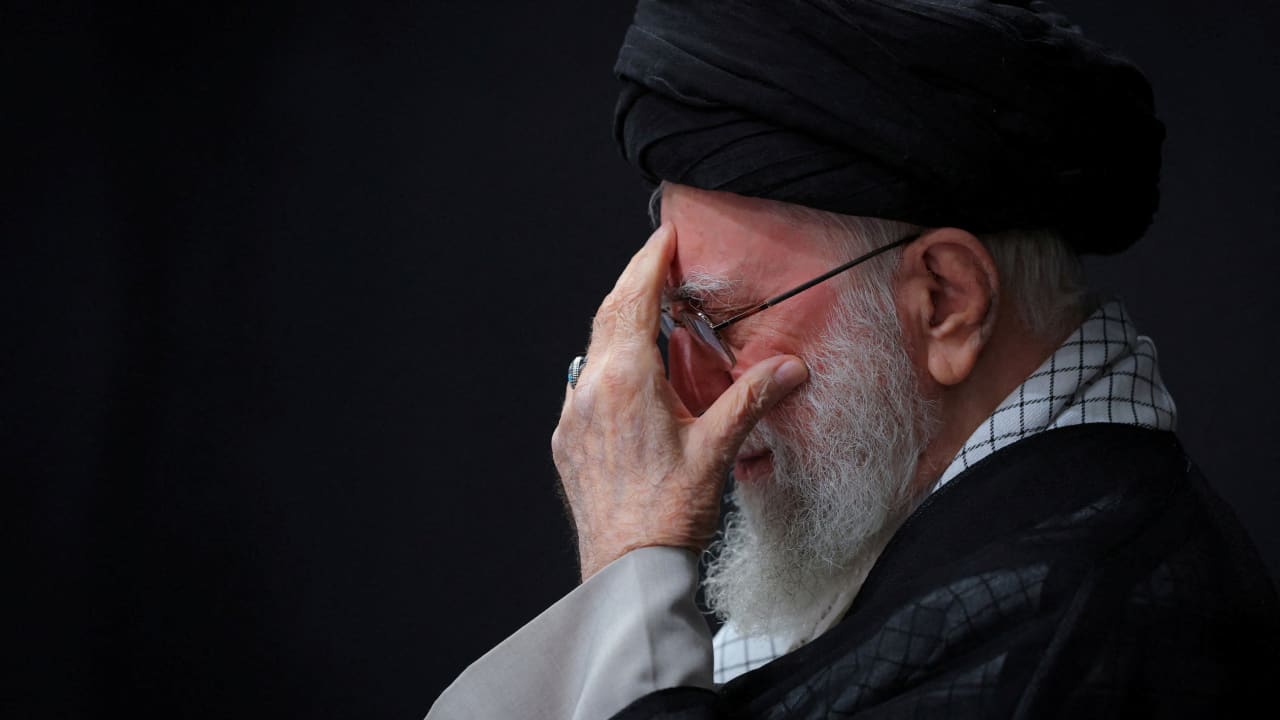
Tehran/ New Delhi: The death of Iran’s Supreme Leader Ali Khamenei following joint airstrikes by the United States and Israel has sent shockwaves across global politics, raising fears of a major geopolitical crisis in the Middle East and beyond. The strikes, carried out under the names Operation Epic Fury and Operation Roaring Lion, targeted Iranian military bases and key strategic installations, dramatically escalating tensions in an already volatile region.
The killing of Khamenei marks far more than the loss of a political leader. It represents a potentially decisive turning point in Middle Eastern geopolitics. For more than three decades, Khamenei shaped Iran’s ideological direction, military doctrine, and regional strategy. His death has created immediate uncertainty about Iran’s future leadership and the direction of its foreign policy while intensifying rivalries across the region.

Power transition and political uncertainty in Iran
Under the constitutional framework of Iran, the Assembly of Experts is responsible for appointing the country’s next Supreme Leader. However, the transition is expected to be complex and politically sensitive. Analysts believe that influential clerical, political, and military factions will compete to shape the succession process.
Particular attention is focused on the role of the Islamic Revolutionary Guard Corps, which has long been a central pillar of Iran’s security structure and political influence. Any internal power struggle could significantly affect the country’s domestic stability and strategic direction.
Khamenei’s leadership was deeply intertwined with Iran’s regional alliances and proxy networks. Tehran’s influence in Lebanon, Syria, Iraq, and Yemen was largely shaped under his leadership. With his death, analysts believe Iran may either consolidate its regional posture or reconsider aspects of its foreign policy depending on the priorities of the next leadership.
Gulf states adopt cautious approach
Reactions from Gulf countries have so far been measured and cautious. Regional powers such as Saudi Arabia, United Arab Emirates, and Qatar are closely monitoring developments while avoiding strong public statements.
In recent years, these countries had begun cautiously rebuilding diplomatic channels with Iran after years of tension. They remain wary of any escalation that could destabilize the region. Their economies rely heavily on energy exports, foreign investment, and uninterrupted maritime trade routes.
Any escalation could threaten critical infrastructure and shipping lanes, particularly in the strategically vital Strait of Hormuz, through which a large share of global oil supplies passes. Memories of the 2019 drone and missile attacks on Saudi oil facilities remain fresh, prompting Gulf states to emphasize quiet diplomacy rather than confrontation.
Global reactions and legal debate
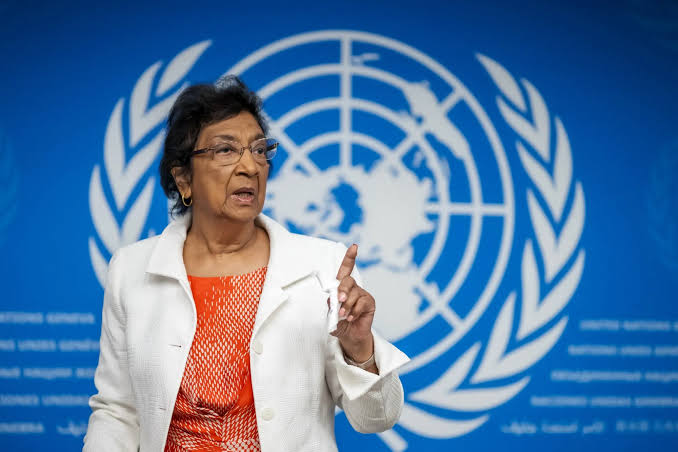
The targeted killing of a sitting supreme leader has also triggered intense debate over international law and sovereignty. Diplomatic discussions are expected to intensify at the United Nations, where emergency meetings could address the rapidly escalating crisis.
European powers such as France, Germany, and the United Kingdom are likely to advocate restraint and renewed diplomatic engagement. Meanwhile, Russia and China are expected to criticize Western military actions and could use the crisis to strengthen their strategic partnerships with Tehran.
The situation may deepen geopolitical polarization between global power blocs and intensify competition among major powers.
Energy markets on edge
Global energy markets are already reacting to the developments. Iran’s location near the Strait of Hormuz makes the region a critical chokepoint for global energy trade. Any disruption to maritime traffic or retaliatory action affecting shipping routes could send oil prices sharply higher.

A surge in oil prices would likely fuel global inflation and disrupt supply chains, affecting major energy importers including India, China, and several European economies.
Implications for India
For India, the unfolding crisis presents both economic and humanitarian concerns. Millions of Indian expatriates live and work across Gulf countries, particularly in the United Arab Emirates, Qatar, Oman, and Saudi Arabia.
India’s Ministry of External Affairs has issued advisories urging Indian citizens in the region to remain cautious and avoid unnecessary travel. If the conflict escalates, India may have to consider evacuation operations similar to earlier rescue missions conducted during regional crises.
The crisis is already affecting civilian life in parts of the Middle East. The Central Board of Secondary Education has postponed Class 10 and 12 examinations in several Middle Eastern countries due to security concerns affecting thousands of Indian students studying there.
Risk of wider conflict
Security analysts warn that Iran retains substantial military capabilities, including ballistic missiles, advanced drones, and a network of allied armed groups across the region. These groups could potentially launch retaliatory attacks against Israeli or American interests in multiple theaters.
Israel has long faced complex security challenges on multiple fronts. Any retaliatory escalation could widen the conflict across several regions simultaneously. Military forces of the United States, including naval assets stationed in the Gulf, are expected to remain on heightened alert.
Diplomatic efforts may determine outcome
Whether the crisis evolves into a broader regional war will depend on several key factors, including Iran’s leadership transition, the strategic objectives of the United States and Israel, and the role of international diplomacy.
Regional players such as Oman, Qatar, and Turkey could emerge as mediators. Meanwhile, the United Nations may push for ceasefire negotiations and diplomatic engagement to prevent further escalation.
Experts say the coming weeks will be decisive. If retaliation remains limited and diplomatic channels remain open, the crisis may be contained. However, miscalculations or escalating military responses could transform the situation into a prolonged regional conflict with far-reaching global consequences.
A fragile geopolitical moment
The death of Ali Khamenei has exposed the fragile balance of power in the Middle East. A single high-profile military operation has the potential to reshape alliances, disrupt global markets, and trigger a chain reaction across international politics.
As global leaders call for restraint, the stability of the Middle East—and the wider global economy—will depend largely on whether diplomacy can prevail over confrontation in the days ahead.