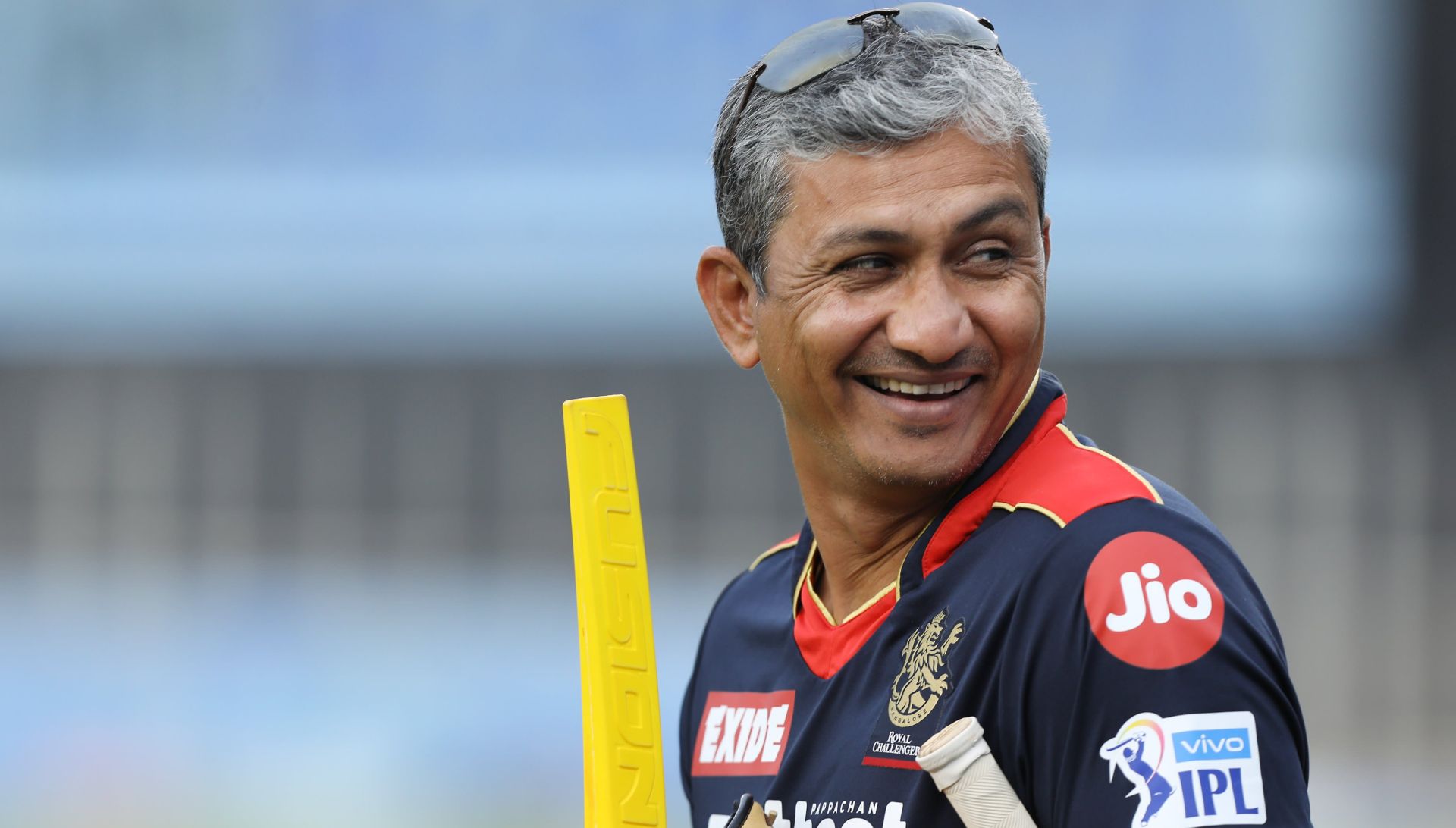
Mumbai: India will face the West Indies in a virtual knockout in their final Super 8 clash, with both sides vying for the last remaining semi-final spot in the ICC Men’s T20 World Cup 2026. Speaking on JioHotstar’s ‘Game Plan’, JioStar expert Sanjay Bangar analysed Abhishek Sharma’s return to form, Sanju Samson’s inclusion at the top of the order and Varun Chakaravarthy’s role in India countering the West Indies’ power hitters.
Speaking on JioHotstar’s ‘Game Plan’, JioStar expert Sanjay Bangar shed light on what Abhishek Sharma did better against Zimbabwe after poor start to the tournament:
“A couple of Abhishek Sharma’s dismissals came when he was trying to play horizontal-bat shots at the start of his innings, when the ball was new. That was not the case when he began playing with a much straighter bat. Against Zimbabwe, he showed some respect to the bowlers as well and played the ball straight down the line. As a result, he gave himself a good chance to succeed. One of his strongest suits is hitting through the off-side because not many players, when they are looking to hit sixes, favour that side. So, if you can take pace off the ball, he can get into trouble. But if you don’t take pace off and bowl in that fourth-stump corridor, he will score freely over covers or mid-off, where he is scoring most of his runs.”

On India breaking the left-hander trio at the top with the addition of Sanju Samson:
“I thought Sanju Samson was very proactive and moved a lot in the crease. Because of that, he created run-scoring opportunities and, in that sense, gave India the start they were looking for. India were averaging less than 10 in terms of opening partnership in the four or five games they had played before the Zimbabwe match. So, the way he played, allowed Abhishek time to settle in, and by then India had already gotten off to a good start. With a right-hander at the top, India are depriving the opposition of the opportunity to use off-spin as much. It’s not necessarily that off-spinners are causing a lot of problems to left-handers. It’s just that the batters are trying to force the issue against them and, in that process, getting out. This is a good mix because if you have three right-handers in the top seven, you can maintain the right-left combination and deprive the opposition of using four overs of off-spin.”

On Varun Chakaravarthy’s dip in form in the Super 8 stage and plans to counter Shimron Hetmyer:
“I thought he was slightly short against the Zimbabwe batters. Majority of his deliveries were back of a length, and many of the boundaries scored came from that area. So, I think it would be better for him to push the ball slightly fuller and try to hit the stumps. That has been one of Varun Chakaravarthy’s strengths; if the batsman misses, he is either trapped leg before wicket or bowled. And his ability to angle the ball across or bowl the googly will be key against the likes of Shimron Hetmyer. Hetmyer looks to target long-on or the mid-wicket region, with a large share of his runs coming in that region. So, bowling those googlies from off-stump to the fourth-stump line, slightly wider outside off, would mean that if he tries to go across the line, there is always a wicket-taking opportunity for Varun Chakaravarthy.”
On the West Indies batters’ aggressive batting style and how it will keep Indian bowlers in the game:
“In T20 cricket, you have to be open to getting hit because batters will come hard at you. There are times when they may get off to a rollicking start and could be 60 without loss. But with that aggressive style and focus on boundaries, they can quickly slip to 84 for 4 as well, within the space of 20-odd runs. That’s why I believe the Indian team should stick to their bowling plans and make smart use of their wicket-taking options. The use of Varun Chakaravarthy and Jasprit Bumrah against them is going to be extremely critical.”







 ---------------------------------------------------------------------------------------------------