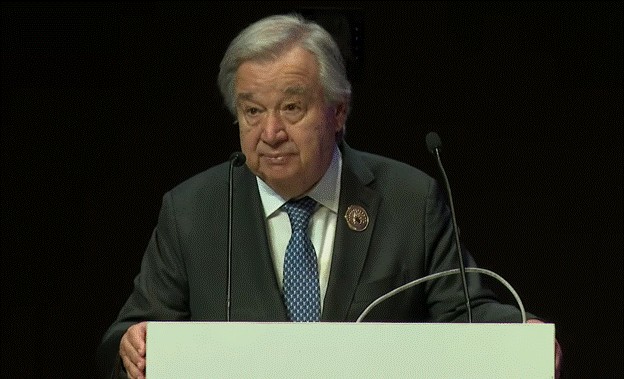
- A high-level session titled “The Role of Science in International AI Governance’ held during the fifth day of India AI Impact Summit
- Machines should be created to make people smarter and help humanity, emphasises Brad Smith, Vice Chair and President of Microsoft
- Sustained Investment in Responsible AI Research Essential for Long-Term Innovation, Says Singapore Minister Josephine Teo
- From Digital Public Infrastructure to Global South: Experts Chart Path for Inclusive AI Policy
New Delhi: The fifth day of the India AI Impact Summit 2026 featured a high-level session titled “The Role of Science in International AI Governance,” bringing together global leaders, scientists, policymakers and industry representatives to deliberate on how scientific evidence must anchor responsible AI governance at the international level.
The session had a keynote address by António Guterres, Secretary-General of the United Nations; Brad Smith, Vice Chair and President of Microsoft; and Josephine Teo, Minister for Digital Development and Information, Singapore.

In his keynote address, the UN Secretary-General emphasised that AI governance must be firmly rooted in scientific evidence and human rights. He stated, “Science can inform us, but humans must decide. Our goal is to make human control a technical reality, not a slogan. That requires meaningful human oversight, clear accountability, and the protection of human rights.”
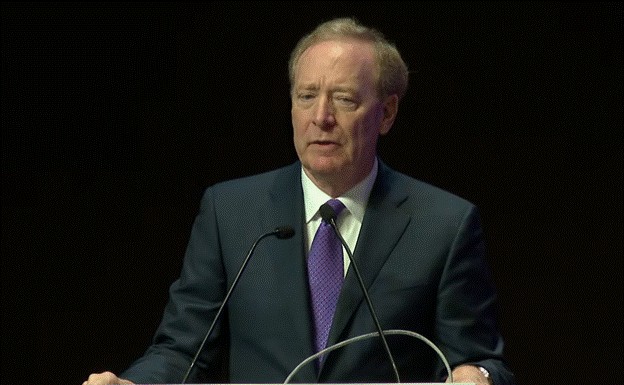
Brad Smith highlighted the importance of ensuring that AI strengthens human capability. He remarked, “The real question is not whether we will build machines that are smarter than humans in some ways – we will. The real question is how we use those machines to make people smarter and help humanity do what it needs to do.”
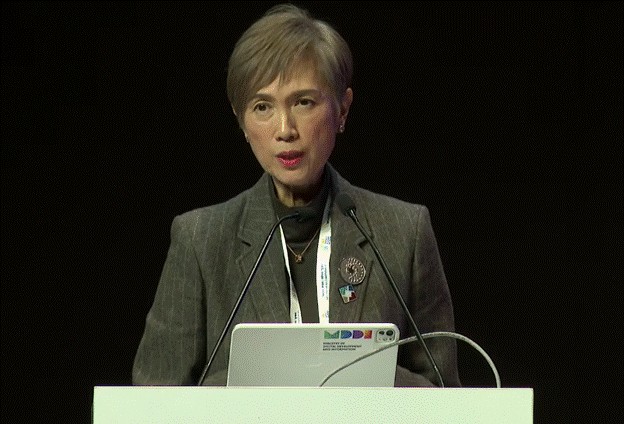
In her keynote address, Minister Josephine Teo underscored the need for sustained investment in responsible AI research. She stated, “As a small state, we believe in AI being used as a force for the public good. But to do so, it is important that we continue to invest in the science that underpins and grounds trust. This requires sustained investment in research, and that is why we have set aside a billion dollars under our National AI Plan, including for foundational and applied research into responsible AI. We believe in it, and we are putting money behind this effort.”
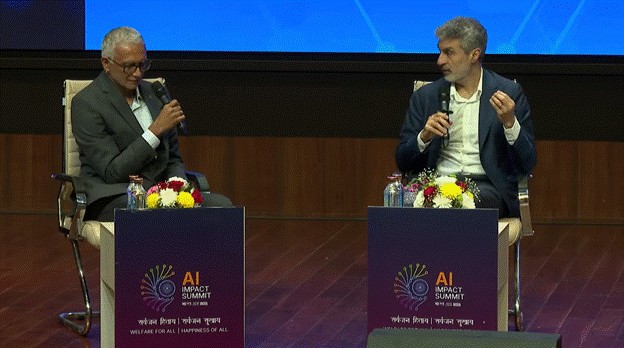

The session also featured a special conversation between Anil Ananthaswamy, science journalist and author, and Yoshua Bengio of Mila – Quebec Artificial Intelligence Institute. Their discussion centred on how science–policy interfaces can function effectively in the fast-moving field of artificial intelligence. The conversation explored the importance of independent scientific advisory bodies in establishing a neutral, evidence-based global knowledge base, the challenges of policymaking under uncertainty, and the structural tension between the rapid pace of technological innovation and slower governance processes. The dialogue underscored the need for precautionary principles, technical guardrails, multilateral cooperation, and inclusive global participation to ensure that AI governance remains balanced, evidence-driven and aligned with the interests of all nations, particularly developing countries.
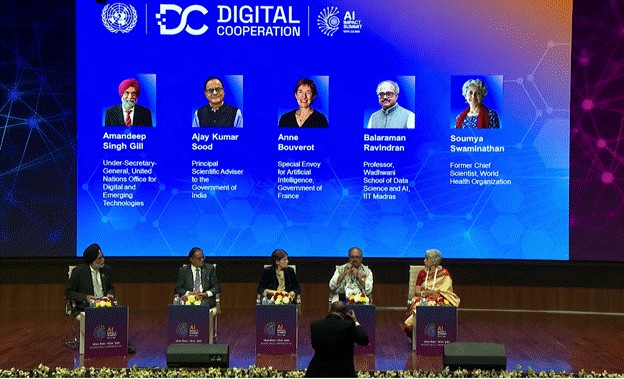
Another panel discussion was held, moderated by Amandeep Singh Gill, Under-Secretary-General, United Nations Office for Digital and Emerging Technologies. The panel brought together Ajay Kumar Sood, Principal Scientific Adviser to the Government of India; Anne Bouverot, Special Envoy for Artificial Intelligence, Government of France; Balaram Ravindran, Professor, Wadhwani School of Data Science and AI, IIT Madras; and Soumya Swaminathan, Former Chief Scientist, World Health Organization.
Reflecting on the role of evidence in policymaking, Soumya Swaminathan said, “Trust in science is built when leadership is guided by data and evidence. During COVID, policies were based on the best available evidence of the day and were iteratively improved as new evidence emerged. I think we may be in a similar situation with AI.”
Highlighting the knowledge gaps surrounding AI’s societal impact, Balaram Ravindran observed, “We do not completely understand the implications of AI and how it is going to affect society and livelihoods, especially in the Global South.”
Anne Bouverot emphasised the need for differentiated policy responses based on AI’s impact on employment. She stated, “If the probable outcome of AI is the end of jobs, then policy must think about universal basic income. If the outcome is transformation of jobs, then the policy response is training, skilling, and reskilling. Listening to economists and labour institutions is therefore super important.”
Drawing from India’s experience, Ajay Kumar Sood remarked, “Our experience with Digital Public Infrastructure shows that governance can be embedded through technical design. This is what we call technological governance. It may not solve everything, but it provides a smoother interaction between innovation and safeguards.”
The session concluded with a strong consensus that science must serve as the foundation for international AI governance – ensuring that AI development remains inclusive, transparent, evidence-based and aligned with the public good.