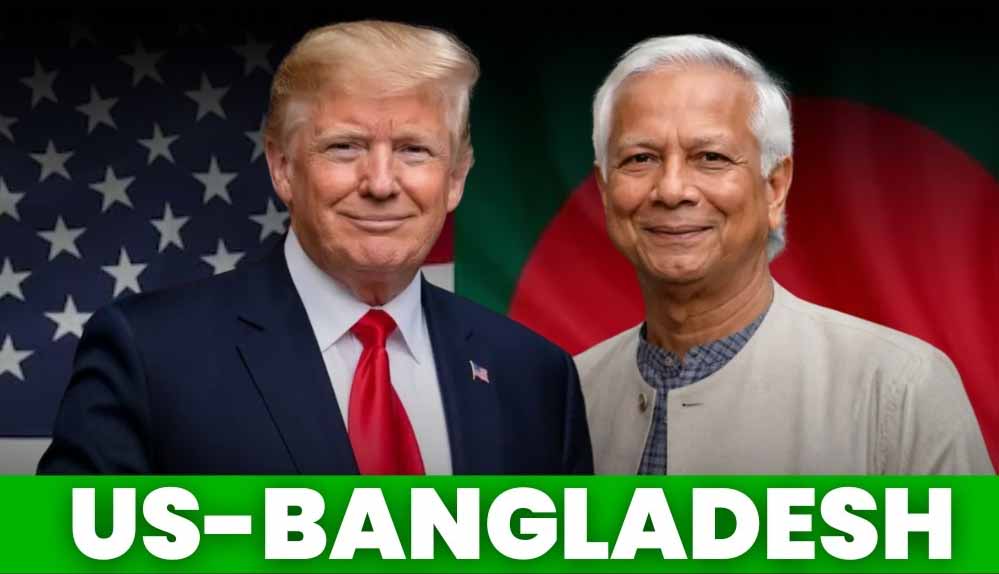
Dhaka | Following India, the United States has reached a new trade understanding with Bangladesh, easing tariff pressure on key exports and offering relief to the country’s crucial garment sector. According to official sources, the US government has reduced tariffs imposed on Bangladeshi goods and has also decided to eliminate duties on certain textile products.
The agreement comes amid speculation that Bangladesh’s interim government, led by Chief Adviser Muhammad Yunus, was in advanced talks with Washington to finalize a trade arrangement. On Monday, both sides concluded a bilateral deal, which will come into force after formal notifications are issued by the two governments.

Tariff Cuts Announced
Under the new agreement, the United States has reduced the tariff on Bangladeshi exports from 20 percent to 19 percent. In addition, retaliatory tariffs on specific garment products have been set to zero, particularly for items manufactured using raw materials imported from the United States.
Officials said the move is aimed at strengthening bilateral trade ties and improving Bangladesh’s standing within US trade policy.
Key Signatories and US Response
The agreement was signed on behalf of Bangladesh by Commerce Adviser Sheikh Bashiruddin and National Security Adviser Khalilur Rahman. Representing the United States, Ambassador Jamieson Greer was present during the signing.
Greer praised Muhammad Yunus and his negotiating team, stating that the agreement would help reinforce Bangladesh’s position in the US market and contribute to a more balanced trade relationship between the two countries.

Major Boost for Garment Industry
The tariff relief is expected to provide significant support to Bangladesh’s garment sector, which remains the backbone of the country’s economy. Nearly 80 percent of Bangladesh’s export earnings come from the garment industry, which employs over four million workers, most of them from economically weaker sections and rural areas.
Industry experts believe that lower tariff rates will allow Bangladeshi manufacturers to remain competitive in the US market at a time when global demand remains uncertain.
Tariff History
In April last year, the United States had announced retaliatory duties, imposing tariffs as high as 37 percent on Bangladeshi products. The rate was reduced to 20 percent in August. With the latest agreement, the tariff has now been further lowered to 19 percent, marking a gradual easing of trade restrictions.
The deal is being viewed as an important economic step for Bangladesh’s interim government as it seeks to stabilize the economy and reassure international partners during a politically sensitive transition period.