Muscat: War and diplomacy appear to be on a collision course once again in the Middle East as the United States and Iran resume indirect talks after months of sharp tensions, threats, and military posturing. The discussions took place on Friday in Muscat, the capital of Oman, against the backdrop of last year’s US and Israeli military strikes on Iran that pushed the region to the brink of a wider conflict.
The talks were held indirectly, with the two sides not meeting face-to-face. Oman’s Foreign Minister, Badr Albusaidi, acted as a mediator, carrying messages between the Iranian and American delegations—a format previously used in past US-Iran engagements. Despite the dialogue, the US announced fresh sanctions immediately after the meeting. Still, both sides agreed to continue discussions, describing the process as a “positive but cautious beginning.”

Who Took Part in the Talks
Iran was represented by Foreign Minister Abbas Araghchi, while the US delegation included Special Envoy Steve Witkoff and Jared Kushner, son-in-law of President Donald Trump. Official images released by Oman also showed the presence of US Central Command chief Admiral Brad Cooper, underscoring the strategic and military significance of the talks.
Tensions Ahead of the Dialogue
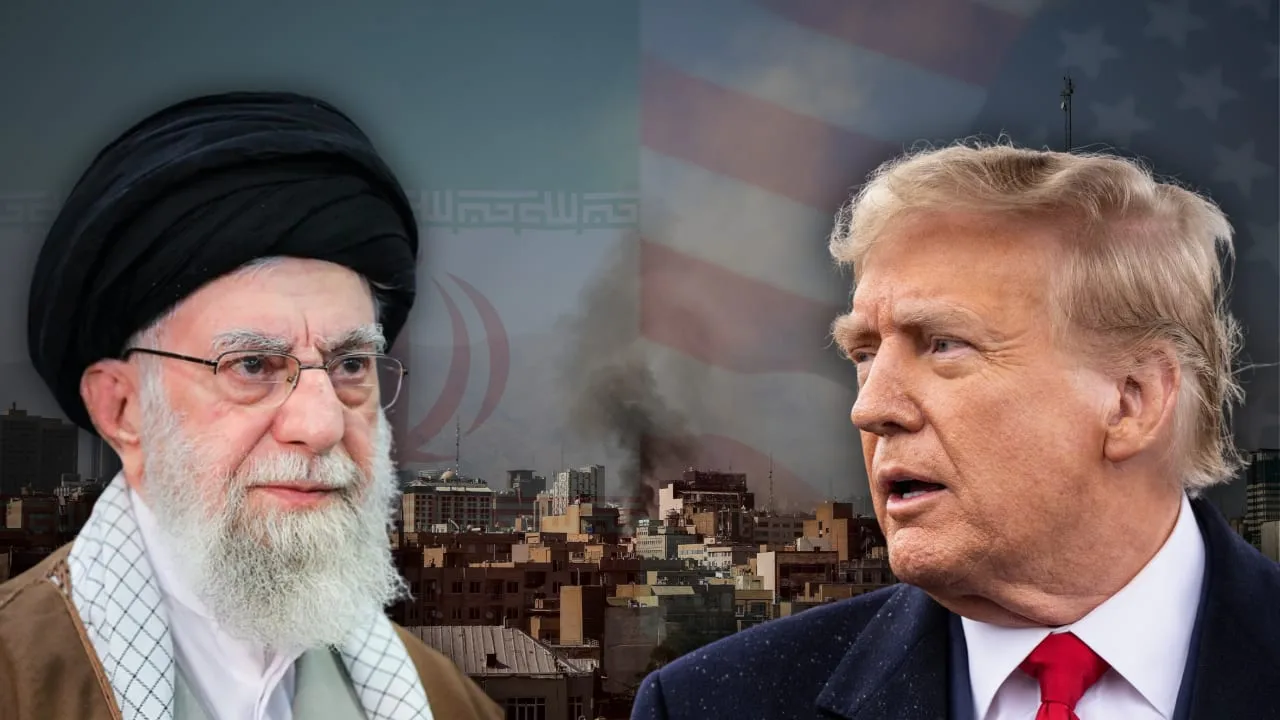
The atmosphere before the meeting was highly charged. President Trump had warned that the US could resort to military action if Iran failed to sign a nuclear agreement or if it used violence against protesters. On the other side, Iran’s Supreme Leader Ayatollah Ali Khamenei also adopted a hardline stance. Araghchi stated ahead of the talks that Iran was entering diplomacy “with open eyes,” fully mindful of last year’s events.

Iran Sticks to Its Conditions
Through Oman, Iran presented an initial proposal to the US, aimed at managing the current situation. Washington is expected to respond in the next round of talks. Tehran has made it clear that negotiations will be limited strictly to its nuclear programme. Issues such as ballistic missiles, regional influence, and domestic protests are not on its agenda. The US, however, wants these topics included, along with human rights concerns—something Iran has firmly rejected.
Fresh US Sanctions Announced
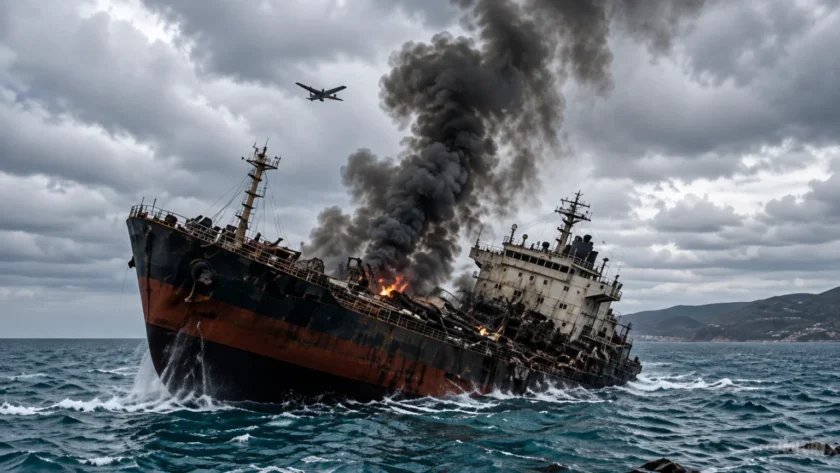
In a move that drew attention, the US imposed new sanctions on Iran immediately after the talks. Fourteen oil tankers and several companies linked to Iranian oil exports were targeted. Washington alleges that Iran uses oil revenues to fuel global instability and suppress its own citizens. The White House also confirmed that President Trump signed an executive order imposing tariffs on countries that continue to purchase goods or services from Iran.
Iran has maintained that any future talks will proceed strictly on its terms, with Supreme Leader Ayatollah Ali Khamenei retaining the final authority to decide the timing and location of further negotiations.