Mumbai: Released theatrically on January 23, 2026, Return to Silent Hill marks the long-awaited reunion of director Christophe Gans with the franchise he helped bring to the big screen nearly twenty years ago. Drawing loose inspiration from the beloved video game Silent Hill 2, the film attempts to translate one of gaming’s most psychologically complex stories into cinema. The result is a moody, atmospheric horror film that looks and sounds like Silent Hill, but struggles to fully feel like it.
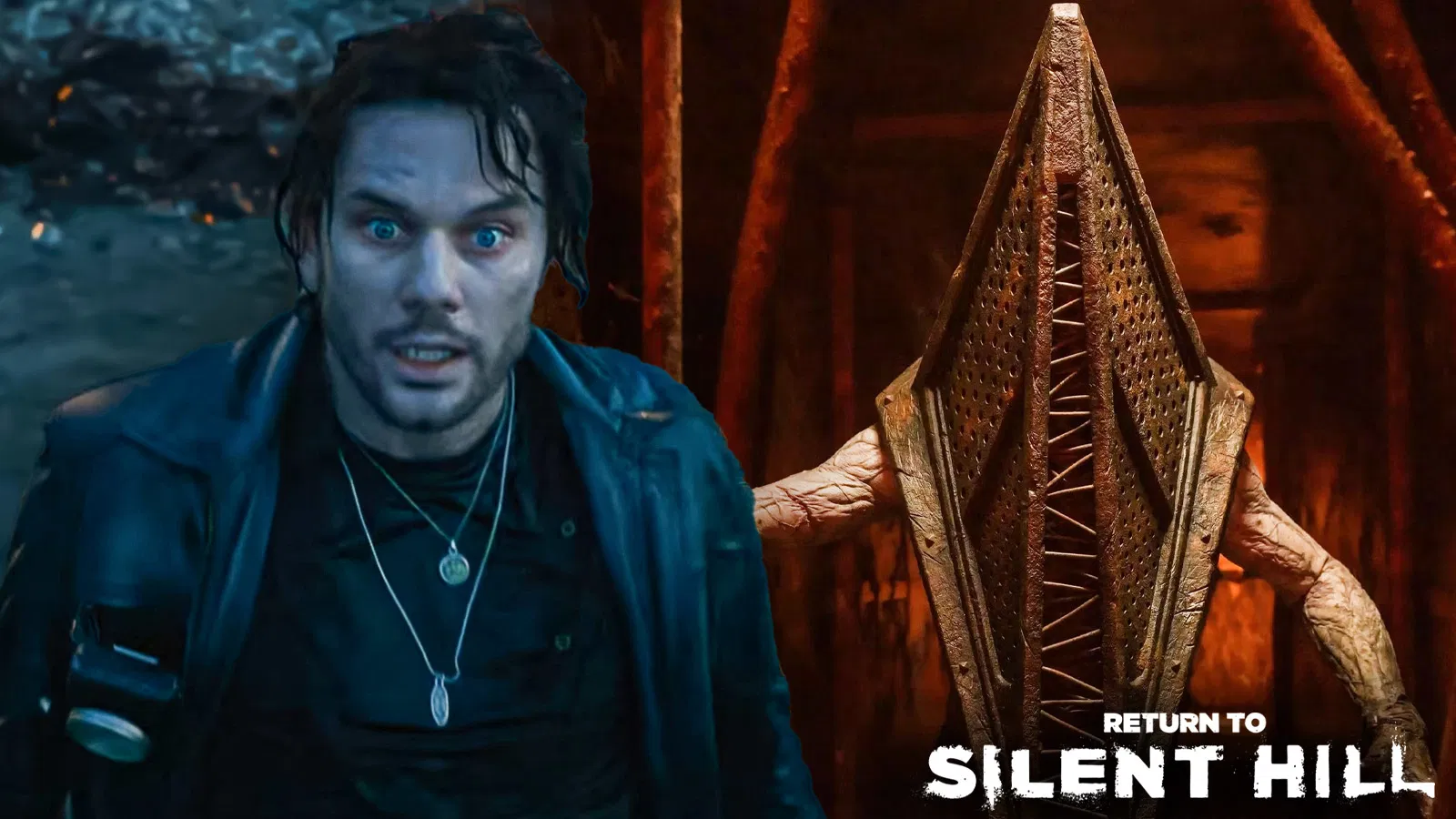
The story follows James Sunderland (Jeremy Irvine), a grieving painter trapped in emotional limbo after the death of his wife, Mary (Hannah Emily Anderson). When James receives a mysterious letter seemingly written by Mary, urging him to return to the abandoned town of Silent Hill, he is pulled back into a fog-drenched purgatory where reality fractures and guilt takes monstrous form. As he navigates decaying streets, rusted interiors, and nightmarish creatures, James confronts manifestations of his own trauma—most notably Pyramid Head, renamed here as Red Pyramid, an embodiment of punishment and suppressed truth.

Gans’ greatest strength remains atmosphere. Visually, Return to Silent Hill is soaked in grime, fog, and industrial decay. The town feels oppressive and hostile, its environments echoing with distant sirens, metallic groans, and an ever-present sense of dread. The sound design, paired with a slow-burn pacing, effectively builds unease, capturing the franchise’s signature suffocating nightmare. Practical creature effects blended with CGI deliver moments of genuine discomfort, even if the execution is uneven.
Hannah Emily Anderson emerges as one of the film’s strongest assets. Tasked with portraying multiple characters—Mary, Maria, and Angela—she brings subtle emotional variations that deepen the film’s fractured psychological landscape. Her performances hint at the layered symbolism that made the game so powerful. Irvine, meanwhile, delivers a restrained portrayal of James, conveying quiet desperation and emotional numbness, though his character is often underwritten when the film leans too heavily into spectacle.
Where Return to Silent Hill falters is in its ambition to transcend its source material. While faithful in imagery and iconography, the film often feels content to replicate rather than reinterpret. The monsters, though visually striking, sometimes feel weightless, and the symbolism—so haunting in the game—is spelled out too bluntly here. Instead of a deeply unsettling meditation on guilt and denial, the film frequently slips into a familiar rhythm of monster encounters and jump-scare beats.

Critics have pointed out the film’s budgetary limitations, which become apparent in certain effects-heavy scenes, as well as its plodding momentum. What should feel like a slow psychological descent occasionally plays like a disjointed horror showcase. Compared to the haunting originality of Silent Hill (2006), this entry lacks emotional punch, though it does improve upon the widely criticized Silent Hill: Revelation (2012).
At the box office, the film earned a modest $26 million worldwide, reflecting its mixed reception. Longtime fans of the franchise may appreciate the respectful nods to Silent Hill 2, the return of Pyramid Head, and Gans’ commitment to atmosphere. Casual viewers, however, may find the experience repetitive, underwhelming, or emotionally distant.
Ultimately, Return to Silent Hill is a film caught between reverence and restraint. It captures the look, sound, and surface dread of the iconic town, but rarely reaches the psychological depth that made the game—and the original film—so memorable. It’s not a failure, but neither is it a true resurrection.
Rating: 5.5/10
A moody but forgettable return to the fog—atmospheric in moments, yet lacking the emotional spine to stand among the strongest video game adaptations.







 ---------------------------------------------------------------------------------------------------