Delhi: “Water is life” is not merely a slogan but an eternal truth of human civilisation. Yet, ironically, water today has become one of the most endangered resources on the planet. The global water crisis has reached alarming proportions and is no longer just a natural challenge—it is increasingly the result of human negligence, corruption and poor governance.
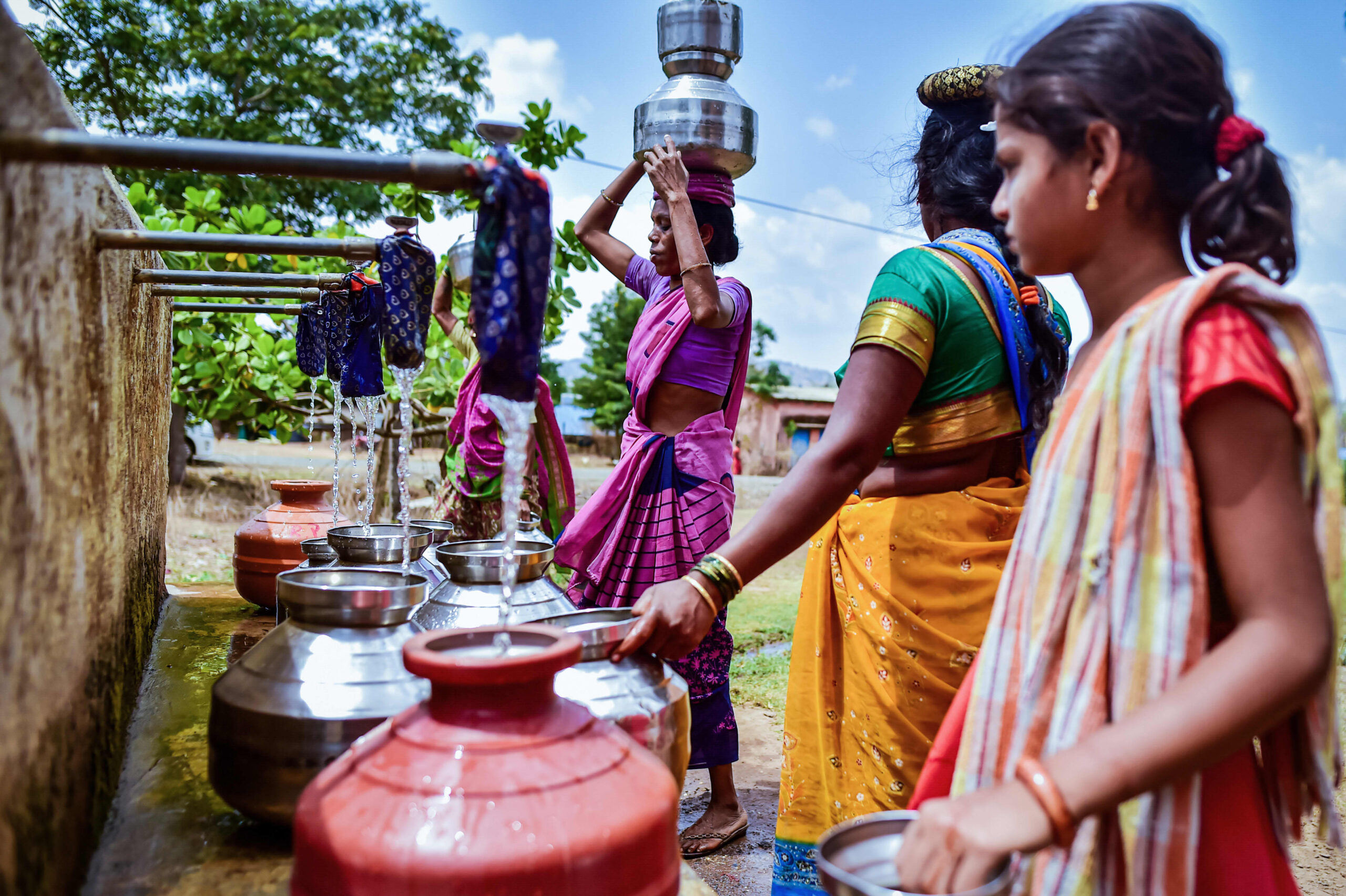
Globally, nearly 25 countries are facing extreme water stress, while over four billion people experience severe water shortages for at least one month every year. Regions such as the Middle East, North Africa and South Asia remain on the frontline of this crisis. India is no exception. More than 600 million people in the country live in high water-stress zones. States like Rajasthan, Maharashtra, Punjab, Haryana and Tamil Nadu are among the worst affected, while metropolitan cities such as Chennai, Bengaluru and Delhi struggle daily to meet basic water needs.

Experts warn that the crisis has moved beyond “water stress” to what is now being described as global water bankruptcy. Groundwater levels are rapidly depleting, rivers are drying up and traditional water bodies are vanishing due to encroachment. The impact is not limited to the environment alone; it has serious social and economic consequences. Agriculture, industry and energy production—all heavily dependent on water—are under threat. Economists caution that prolonged water scarcity could reduce India’s GDP by up to 6 percent.
The Government of India, under Prime Minister Narendra Modi, has prioritised water conservation through initiatives such as the Jal Jeevan Mission, Atal Bhujal Yojana and Pradhan Mantri Krishi Sinchai Yojana. These programmes aim to provide tap water to every household, ensure sustainable groundwater management and expand irrigation coverage. The Jal Shakti Abhiyan has further promoted rainwater harvesting and community participation.
While these initiatives have raised awareness and delivered results in some regions, a harsh reality remains—administrative corruption. Poor-quality construction, fake data, incomplete projects and lack of accountability have undermined many water-related schemes. In several areas, rainwater harvesting structures exist only on paper, while substandard pipelines fail to deliver water to intended beneficiaries. Such corruption not only wastes public funds but also robs future generations of their right to water.

Climate change, excessive extraction, unplanned urbanisation and weak management have further intensified the crisis. Experts argue that government schemes alone cannot solve the problem unless society actively participates. Lessons from countries like Israel, which recycles nearly 90 percent of its water, and Australia, which uses water trading for fair distribution, highlight the importance of technology and transparent governance. India’s own traditional systems such as johads, baolis and khadins offer sustainable solutions if revived.
According to NITI Aayog, nearly 600 million Indians already face acute water shortages, and around 200,000 deaths annually are linked to lack of access to clean water. By 2030, water demand is expected to be double the available supply, posing a grave risk to economic growth and human survival.
Experts stress that the way forward lies in zero tolerance for corruption, transparent administration, strict monitoring, and active public participation. Rainwater harvesting, efficient irrigation, wastewater reuse and responsible consumption must become a collective movement.
The message is clear: the water crisis is not just a challenge of the present but a defining question of the future. If urgent action is not taken now, history may record that humanity destroyed its own source of life.







 ---------------------------------------------------------------------------------------------------